
How Bad Hiring Slows Down Business Expansion
Introduction
Every growing business dreams of expansion. Whether it means opening new locations, entering new markets, launching products, or increasing revenue, growth requires the right people. However, one of the most overlooked business expansion challenges is poor hiring.
Many companies focus heavily on sales, marketing, and operations when planning growth. Yet even the best business strategy can fail if the wrong employees are hired. A single bad hire can reduce productivity, weaken team morale, increase turnover, and delay important projects.
As organizations grow, hiring becomes even more critical. The larger the company becomes, the greater the impact each hiring decision has on overall performance.
Understanding how bad hiring affects growth can help businesses develop stronger recruitment processes and overcome common business expansion challenges before they become costly problems.
Table of Contents
- Understanding Business Expansion
- Why Hiring Matters During Growth
- Common Business Expansion Challenges
- What Is a Bad Hire?
- The Financial Cost of Bad Hiring
- Impact on Employee Productivity
- How Bad Hiring Slows Business Growth
- Effects on Team Morale
- Customer Experience Risks
- Increased Employee Turnover
- Leadership Time Drain
- Delays in Strategic Projects
- Hiring Mistakes Growing Companies Make
- How to Avoid Bad Hiring Decisions
- Building Effective Recruitment Processes
- The Role of Skills and Cultural Fit
- Technology in Modern Hiring
- Long-Term Benefits of Better Hiring
- Best Practices for Growing Businesses
- Conclusion
Understanding Business Expansion

Business expansion refers to efforts aimed at increasing company growth and market presence.
Examples include:
- Opening new branches
- Entering new geographic markets
- Increasing production capacity
- Launching new services
- Expanding customer reach
While growth creates opportunities, it also introduces several business expansion challenges, especially in workforce management.
Why Hiring Matters During Growth
Growth requires people who can execute business strategies effectively.
Strong employees help businesses:
- Improve performance
- Increase efficiency
- Support innovation
- Deliver customer satisfaction
- Achieve expansion goals
Poor hiring decisions can undermine these objectives and create major obstacles.
Common Business Expansion Challenges
Businesses often encounter several growth-related difficulties.
Common business expansion challenges include:
- Limited resources
- Scaling operations
- Managing larger teams
- Maintaining quality standards
- Recruiting qualified employees
Among these, hiring remains one of the most important factors influencing success.
What Is a Bad Hire?
A bad hire is an employee who fails to meet organizational expectations.
This may occur because of:
- Lack of required skills
- Poor attitude
- Weak cultural fit
- Low motivation
- Inability to adapt
Bad hires create costs that extend far beyond salary expenses.
The Financial Cost of Bad Hiring
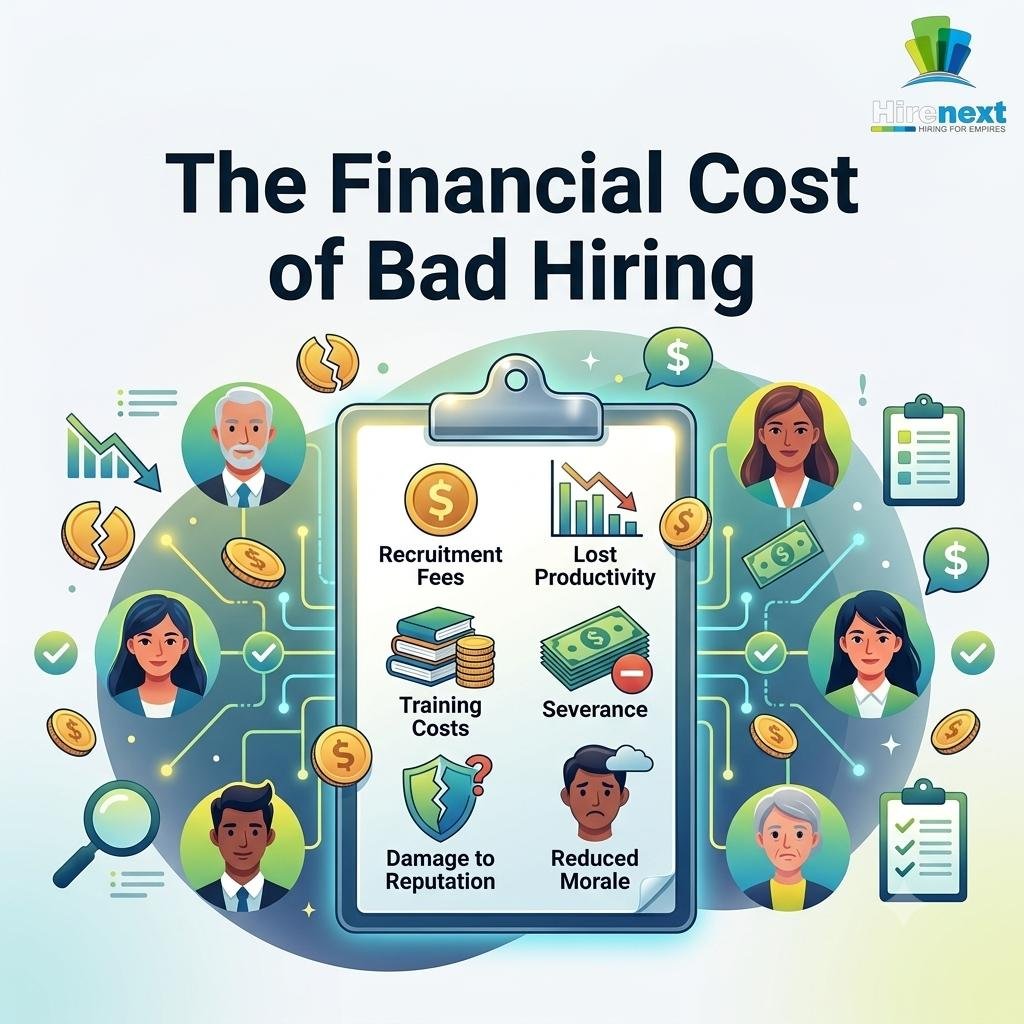
Many companies underestimate the financial impact of recruitment mistakes.
Costs often include:
- Recruitment expenses
- Training investments
- Lost productivity
- Management time
- Replacement hiring costs
These expenses can become significant during periods of rapid growth.
Impact on Employee Productivity
One of the most immediate consequences of poor hiring is reduced employee productivity.
When employees struggle to perform effectively:
- Projects slow down
- Deadlines are missed
- Work quality declines
- Team efficiency decreases
Reduced employee productivity directly affects business performance and expansion efforts.
How Bad Hiring Slows Business Growth
Bad hires often create bottlenecks throughout an organization.
Consequences may include:
- Delayed projects
- Reduced innovation
- Increased supervision requirements
- Operational inefficiencies
These issues contribute to major business expansion challenges.
Effects on Team Morale
Employees notice when team members fail to contribute effectively.
Poor hires may:
- Increase workloads for others
- Create workplace tension
- Reduce motivation
- Lower overall engagement
Strong workplace culture becomes difficult to maintain when hiring mistakes accumulate.
Customer Experience Risks
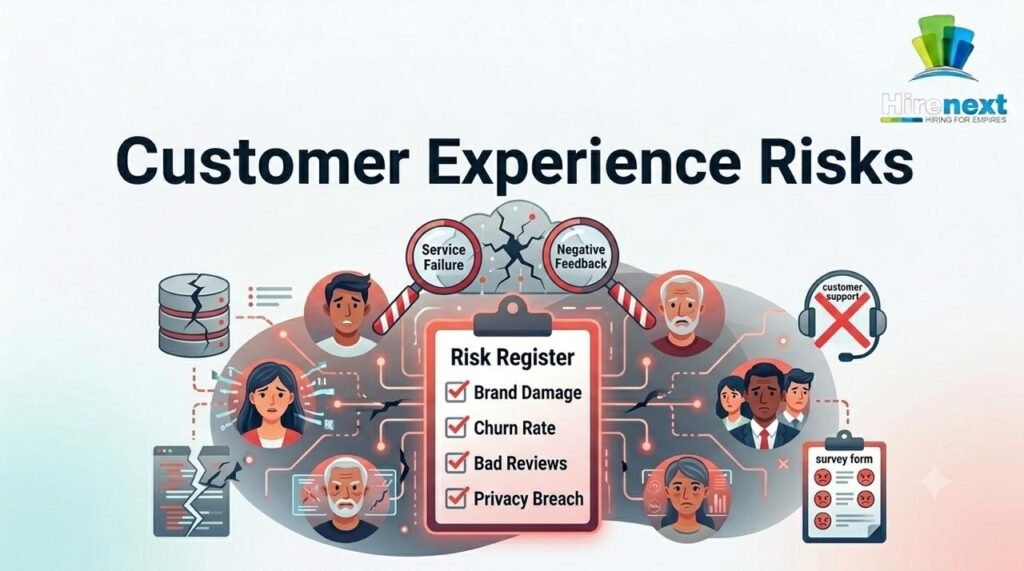
Customers often feel the effects of poor hiring.
Problems may include:
- Slower service
- Communication errors
- Lower quality work
- Reduced responsiveness
Customer dissatisfaction can limit growth opportunities.
Increased Employee Turnover
Bad hires frequently leave or require termination.
High turnover creates:
- Additional recruitment costs
- Lost knowledge
- Team disruption
- Lower morale
These challenges become increasingly problematic during expansion.
Leadership Time Drain
Managers and founders often spend significant time addressing performance issues.
Instead of focusing on growth, leaders must:
- Monitor struggling employees
- Conduct performance reviews
- Manage conflicts
- Repeat hiring processes
This reduces strategic focus and slows expansion efforts.
Delays in Strategic Projects
Growth initiatives depend on execution.
When employees underperform:
- Product launches may be delayed
- Expansion plans may stall
- Revenue opportunities may be missed
Bad hiring can therefore become a major obstacle to business growth.
Hiring Mistakes Growing Companies Make
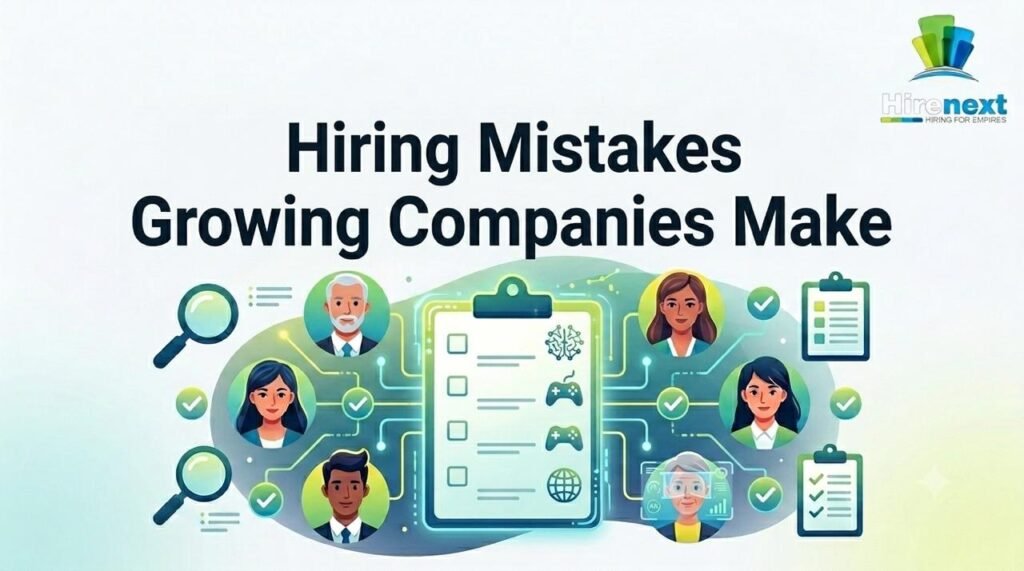
Common recruitment errors include:
Hiring Too Quickly
Rushing decisions often leads to poor candidate selection.
Prioritizing Cost Over Quality
Choosing cheaper candidates can create long-term problems.
Ignoring Cultural Fit
Skills matter, but alignment with company values is equally important.
Unstructured Interviews
Inconsistent evaluation methods increase hiring risks.
How to Avoid Bad Hiring Decisions
Understanding how to avoid bad hiring decisions can significantly improve recruitment outcomes.
Effective strategies include:
Define Clear Requirements
Establish specific job expectations before recruiting.
Use Structured Interviews
Evaluate all candidates using consistent criteria.
Assess Skills Properly
Practical assessments often provide better insights than resumes alone.
Check References
Verify previous performance and professional behavior.
Learning how to avoid bad hiring decisions reduces costly mistakes.
Building Effective Recruitment Processes
Strong recruitment systems help businesses scale successfully.
Key elements include:
- Standardized evaluations
- Skills assessments
- Candidate scorecards
- Multiple interview perspectives
These systems support better hiring outcomes.
The Role of Skills and Cultural Fit
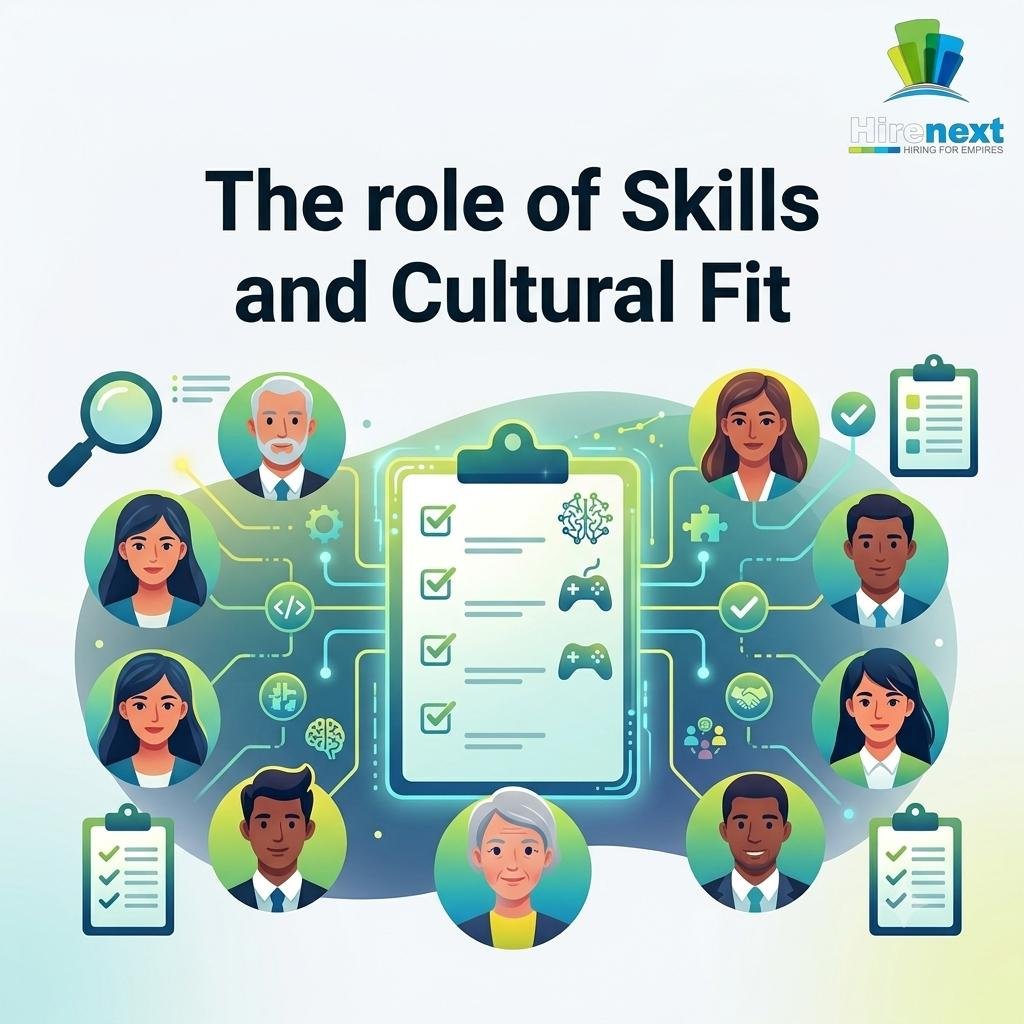
Successful employees often possess both technical competence and cultural alignment.
Businesses should evaluate:
- Skills
- Communication ability
- Adaptability
- Teamwork
- Values alignment
Balanced assessments improve hiring quality.
Technology in Modern Hiring
Technology has transformed the recruitment process, making it faster, more accurate, and more efficient than ever before. As businesses grow and hiring needs increase, relying solely on manual recruitment methods can slow down hiring and increase the risk of poor hiring decisions.
Modern recruitment technology helps organizations identify qualified candidates, streamline hiring workflows, and improve the overall recruitment experience for both employers and applicants. For companies facing business expansion challenges, technology can be a valuable tool for building strong teams while saving time and resources.
Applicant Tracking Systems (ATS)
An Applicant Tracking System (ATS) is one of the most widely used recruitment technologies today.
An ATS helps organizations:
- Collect applications from multiple job portals
- Organize candidate information
- Track applicants through each hiring stage
- Store resumes in a searchable database
- Improve communication with candidates
Instead of manually sorting through hundreds of resumes, recruiters can quickly identify candidates who meet specific requirements. This significantly improves hiring efficiency and reduces administrative workload.
Resume Screening Tools
Resume screening tools use automation and artificial intelligence to evaluate applications more effectively.
These tools can:
- Identify relevant skills and qualifications
- Match candidates to job requirements
- Filter unqualified applicants
- Prioritize high-potential candidates
For growing businesses receiving large numbers of applications, resume screening software reduces the time required for candidate evaluation and helps recruiters focus on the most suitable applicants.
Interview Scheduling Platforms
Scheduling interviews can become surprisingly time-consuming, especially when multiple stakeholders are involved.
Interview scheduling platforms simplify this process by:
- Allowing candidates to choose available time slots
- Sending automatic reminders
- Reducing scheduling conflicts
- Improving communication efficiency
This technology creates a smoother experience for both recruiters and candidates while accelerating the hiring process.
Assessment Software
Many organizations now use assessment tools to evaluate candidates beyond their resumes.
Assessment software can measure:
- Technical skills
- Problem-solving ability
- Communication skills
- Cognitive aptitude
- Personality traits
These assessments provide objective insights into candidate capabilities and help employers make more informed hiring decisions.
AI and Data-Driven Hiring
Artificial intelligence is becoming increasingly important in modern recruitment.
AI-powered hiring tools can:
- Analyze candidate profiles
- Predict job fit
- Reduce screening time
- Improve hiring accuracy
Data-driven hiring also allows companies to track recruitment metrics such as:
- Time-to-hire
- Cost-per-hire
- Candidate quality
- Hiring source effectiveness
These insights help organizations continuously improve their recruitment processes.
Reducing Hiring Errors Through Technology
One of the biggest advantages of recruitment technology is its ability to reduce hiring errors.
Technology helps businesses:
- Standardize evaluations
- Improve candidate comparisons
- Minimize unconscious bias
- Identify stronger candidates more efficiently
For companies facing rapid growth, reducing hiring mistakes is critical for overcoming business expansion challengesand maintaining operational efficiency.
Long-Term Benefits of Better Hiring
Hiring decisions have long-term effects on every aspect of a business. While recruitment often focuses on filling immediate vacancies, the true value of hiring lies in its impact on future business performance.
Organizations that consistently hire the right people gain significant advantages that support long-term success and growth.
Higher Employee Productivity
One of the most important benefits of effective hiring is improved employee productivity.
Employees who possess the right skills, experience, and attitude are more likely to:
- Complete tasks efficiently
- Produce high-quality work
- Solve problems independently
- Contribute to organizational goals
Higher employee productivity allows businesses to operate more efficiently and achieve growth objectives faster.
Better Employee Retention
Good hiring decisions often result in stronger employee retention.
When candidates are properly matched to roles and company culture, they are more likely to:
- Feel satisfied with their work
- Remain engaged
- Stay with the organization longer
Lower turnover reduces recruitment costs and preserves valuable organizational knowledge.
Stronger Workplace Culture
Employees play a major role in shaping company culture.
Hiring individuals who align with organizational values can help create:
- Better teamwork
- Stronger collaboration
- Positive workplace relationships
- Higher employee morale
A healthy workplace culture supports both employee satisfaction and business performance.
Increased Profitability
Effective hiring directly impacts profitability.
Businesses benefit through:
- Higher productivity
- Lower turnover costs
- Improved customer satisfaction
- Better operational performance
When employees perform effectively, organizations can generate stronger financial results and allocate more resources toward growth initiatives.
Sustainable Business Growth
Perhaps the most important benefit of better hiring is sustainable growth.
Successful expansion requires capable employees who can support increasing business demands. Strong hiring practices help organizations:
- Scale operations efficiently
- Maintain service quality
- Adapt to market changes
- Support innovation
These advantages help companies overcome common business expansion challenges and build a foundation for long-term success.
Competitive Advantage Through Talent
In many industries, talent is one of the most valuable competitive advantages.
Companies that consistently hire high-performing employees are often better positioned to:
- Attract customers
- Innovate faster
- Deliver superior service
- Outperform competitors
As a result, effective hiring becomes not just an HR function but a critical business strategy.
Conclusion
Modern recruitment technology enables organizations to hire more efficiently, reduce hiring risks, and improve candidate selection. At the same time, better hiring decisions contribute to higher employee productivity, stronger workplace culture, increased profitability, and long-term business growth.
For organizations facing business expansion challenges, investing in effective hiring processes and recruitment technology is one of the most powerful ways to support sustainable success and future expansion.
Best Practices for Growing Businesses
To support expansion, organizations should:
- Invest in recruitment processes
- Train hiring managers
- Build talent pipelines
- Prioritize cultural fit
- Continuously improve hiring systems
These practices reduce hiring risks and improve growth outcomes.
Conclusion
Many organizations focus on market opportunities, funding, and operational improvements when planning growth. However, poor hiring decisions remain one of the most significant business expansion challenges businesses face.
Bad hires reduce employee productivity, increase turnover, damage morale, and consume valuable leadership time. These effects can slow growth and prevent companies from reaching their expansion goals.
By understanding how to avoid bad hiring decisions, implementing structured recruitment processes, and prioritizing both skills and cultural fit, businesses can build stronger teams that support long-term success.
Ultimately, sustainable growth begins with hiring the right people. The quality of a company’s workforce often determines how successfully it can overcome business expansion challenges and achieve its expansion objectives.