
How Social Media Profiles Affect Hiring Decisions
Introduction
In today’s digital world, social media has become much more than a platform for connecting with friends and sharing personal updates. It has evolved into a powerful tool that influences professional opportunities, personal branding, and career growth. One of the most significant changes in modern recruitment is how social media affects hiring decisions.
Recruiters and hiring managers increasingly use social media platforms to learn more about candidates beyond resumes and interviews. A candidate’s online presence can provide insights into their communication style, professionalism, interests, industry involvement, and overall personal brand.
As competition for jobs continues to increase, understanding how social media affects hiring has become essential for job seekers. What employers find online can either strengthen a candidate’s application or create concerns that influence hiring decisions.
This article explores how social media affects hiring, examines what employers look for on social media profiles, and provides practical tips for effective LinkedIn profile optimization and professional online branding.
Table of Contents
- Understanding Social Media’s Role in Recruitment
- Why Employers Review Social Media Profiles
- How Social Media Affects Hiring Decisions
- Platforms Recruiters Commonly Review
- What Employers Look for on Social Media Profiles
- The Importance of Professional Branding
- LinkedIn and Modern Recruitment
- LinkedIn Profile Optimization Tips
- Positive Social Media Signals for Recruiters
- Red Flags Employers Notice Online
- Social Media and Cultural Fit
- Personal vs Professional Content
- Privacy Settings and Online Reputation
- Building a Strong Digital Presence
- Industry-Specific Social Media Expectations
- Common Mistakes Job Seekers Make
- Benefits of Maintaining Professional Profiles
- Future Trends in Social Recruiting
- Best Practices for Job Seekers
- Conclusion
Understanding Social Media’s Role in Recruitment
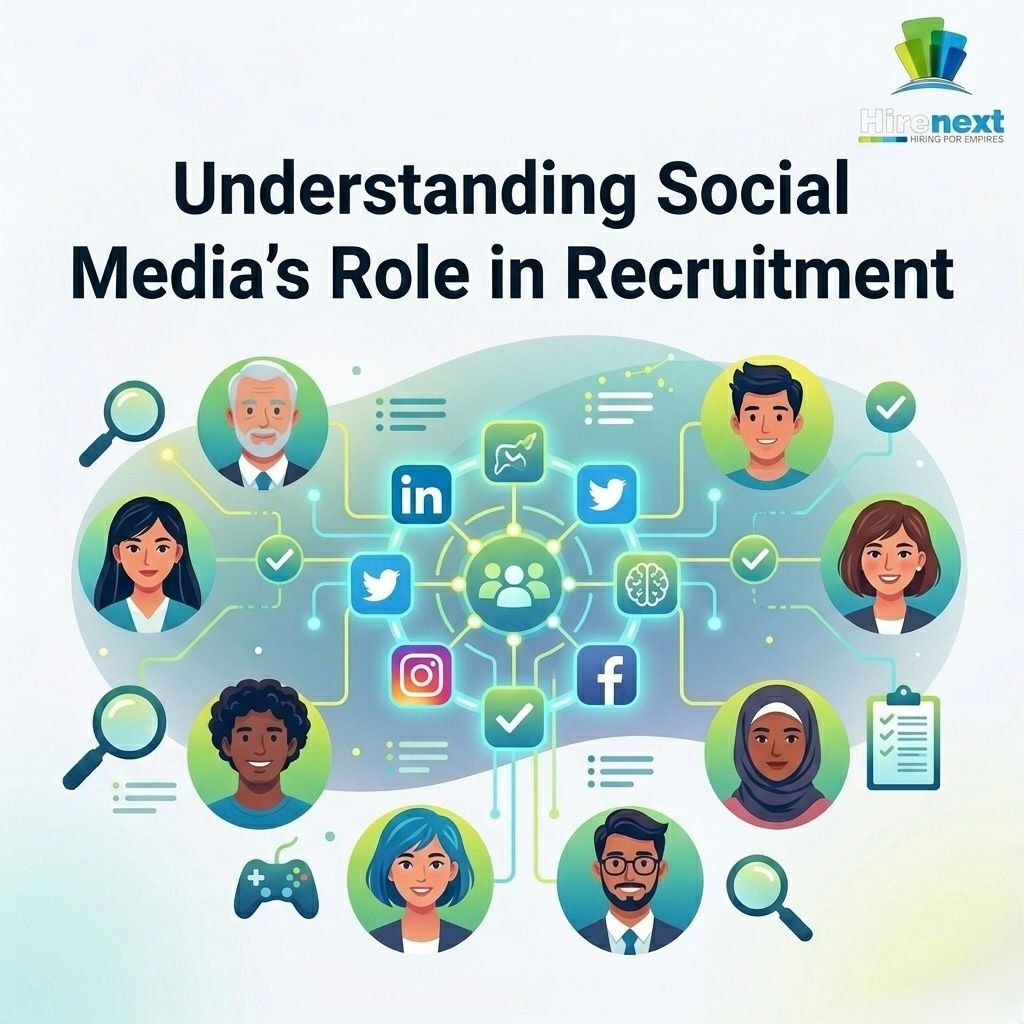
Recruitment has changed significantly over the past decade.
Employers now use multiple channels to evaluate candidates, including:
- Resumes
- Interviews
- Assessments
- References
- Social media platforms
Understanding how social media affects hiring helps candidates recognize that their online presence is often an extension of their professional identity.
Social media provides employers with additional context about candidates that may not be visible through traditional application materials.
Why Employers Review Social Media Profiles
Recruiters review social media profiles for several reasons.
They often want to:
- Verify information
- Evaluate professionalism
- Assess communication skills
- Understand industry involvement
- Identify cultural fit
These insights help employers make more informed hiring decisions.
This growing practice demonstrates how social media affects hiring in today’s recruitment environment.
How Social Media Affects Hiring Decisions
A candidate’s online activity can influence recruitment outcomes in various ways.
Positive online profiles can:
- Strengthen credibility
- Showcase expertise
- Demonstrate professionalism
- Highlight achievements
Negative online content can:
- Raise concerns about judgment
- Suggest unprofessional behavior
- Create doubts about workplace suitability
This is one of the clearest examples of how social media affects hiring decisions.
Platforms Recruiters Commonly Review
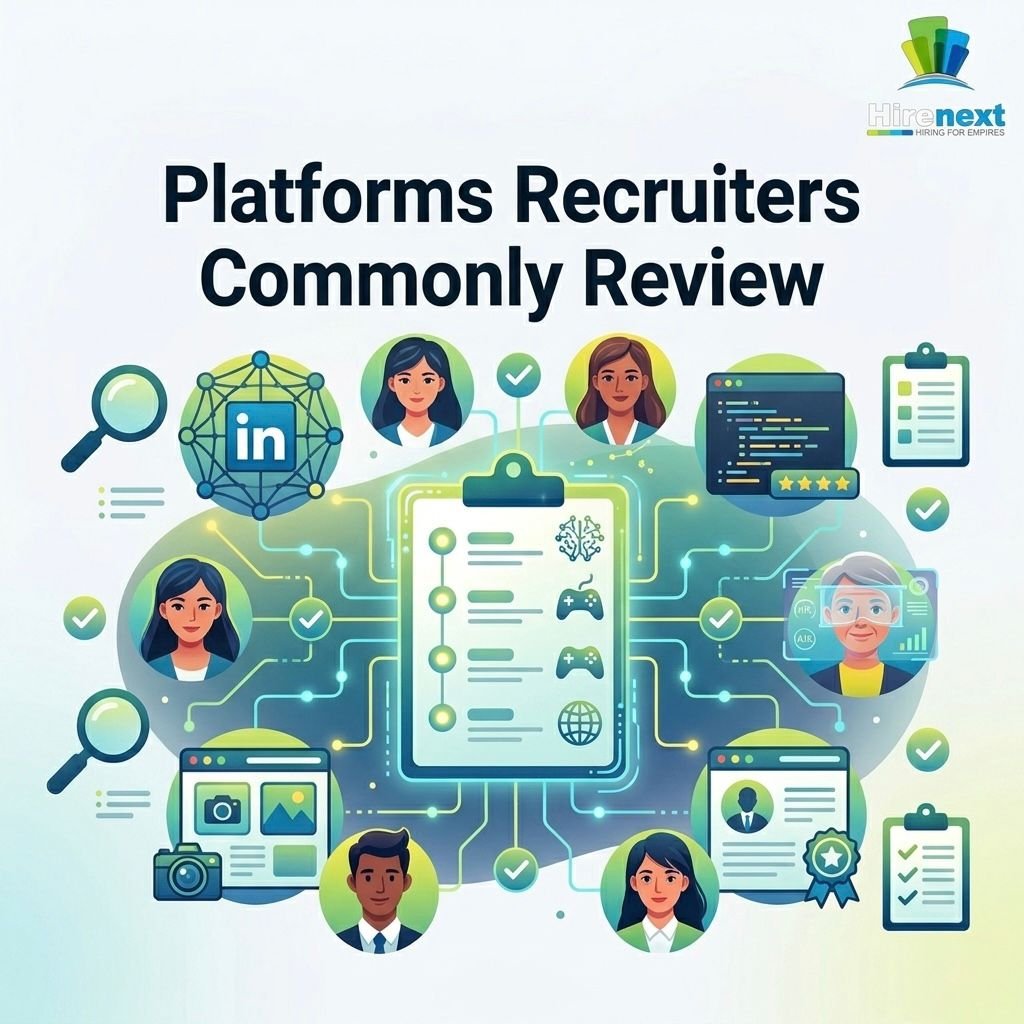
Recruiters may review several social media platforms.
These include:
The most important professional networking platform.
X (Twitter)
Used to evaluate communication style and industry engagement.
May provide insight into personal branding and public behavior.
Increasingly relevant for creative professionals and personal branding.
GitHub
Important for software developers and technical candidates.
Each platform contributes to how social media affects hiring in different ways.
What Employers Look for on Social Media Profiles
Understanding what employers look for on social media profiles helps candidates manage their online presence effectively.
Recruiters often evaluate:
Professionalism
Professional communication and respectful interactions.
Consistency
Alignment between resumes and online profiles.
Industry Knowledge
Evidence of professional interests and expertise.
Communication Skills
Clear and effective written communication.
Engagement
Participation in industry discussions and professional communities.
These factors influence hiring decisions significantly.
The Importance of Professional Branding
Professional branding refers to how individuals present themselves online.
Strong personal brands often include:
- Consistent messaging
- Professional profiles
- Industry expertise
- Positive engagement
Effective branding demonstrates credibility and supports career advancement.
This is another way how social media affects hiring outcomes.
LinkedIn and Modern Recruitment
LinkedIn has become one of the most important recruitment platforms.
Employers use LinkedIn to:
- Source candidates
- Verify qualifications
- Assess professional networks
- Evaluate career progression
Strong LinkedIn profiles often improve visibility and attract opportunities.
LinkedIn Profile Optimization Tips
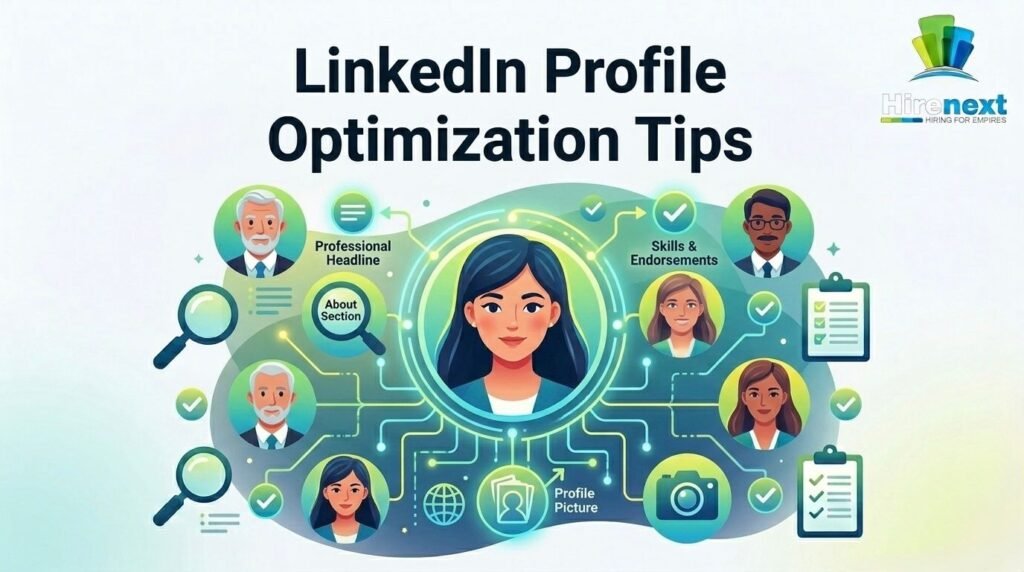
Effective LinkedIn profile optimization can significantly improve hiring prospects.
Professional Profile Photo
Use a clear, professional image.
Strong Headline
Clearly communicate expertise and career goals.
Detailed About Section
Highlight skills, achievements, and professional interests.
Skills and Endorsements
Showcase relevant competencies.
Recommendations
Include testimonials from colleagues or managers.
These strategies improve profile effectiveness and support recruitment success.
Positive Social Media Signals for Recruiters
Recruiters often respond positively to candidates who:
- Share industry insights
- Participate in professional discussions
- Highlight achievements
- Demonstrate expertise
- Maintain professional communication
These signals strengthen candidate credibility.
They also illustrate how social media affects hiring in a positive way.
Red Flags Employers Notice Online
Certain online behaviors may create concerns.
Examples include:
Offensive Content
Discriminatory or inappropriate posts.
Negative Comments
Frequent complaints about employers or colleagues.
Inconsistent Information
Profile details that conflict with application materials.
Unprofessional Behavior
Content that raises concerns about judgment or professionalism.
Understanding these risks helps candidates manage their online reputations.
Social Media and Cultural Fit
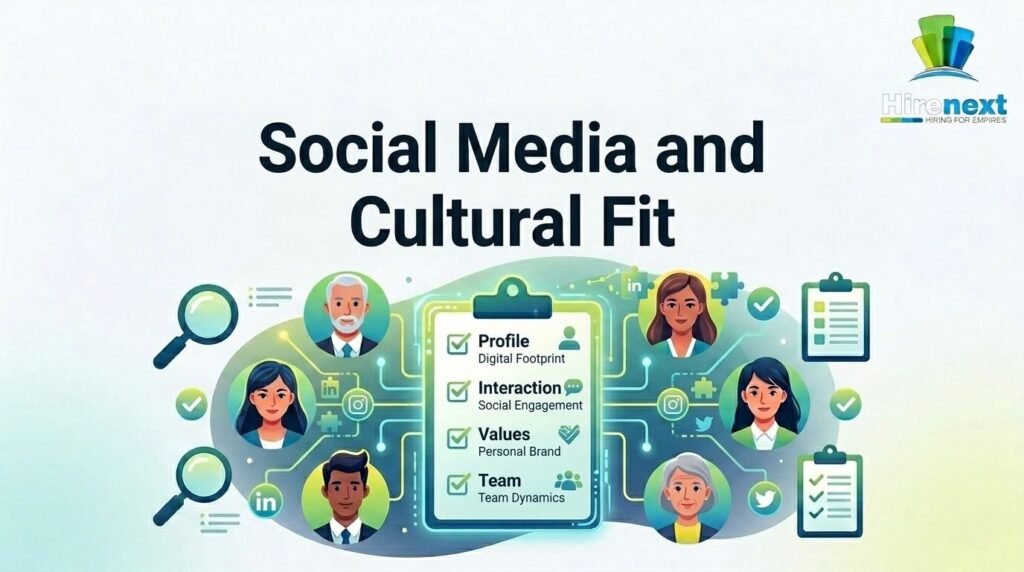
Organizations increasingly consider cultural alignment during hiring.
Social media can provide insights into:
- Values
- Interests
- Communication styles
- Professional engagement
These observations contribute to hiring decisions.
Personal vs Professional Content
Candidates often wonder whether employers should evaluate personal content.
While private activities remain personal, publicly visible content may influence perceptions.
Maintaining appropriate boundaries helps protect professional reputations.
Privacy Settings and Online Reputation
Privacy settings play an important role in online reputation management.
Candidates should regularly:
- Review profile visibility
- Update privacy settings
- Remove outdated content
- Monitor tagged posts
These practices support positive professional branding.
Building a Strong Digital Presence
A strong digital presence includes:
- Professional profiles
- Industry engagement
- Relevant content sharing
- Thought leadership
These activities help candidates stand out in competitive job markets.
Industry-Specific Social Media Expectations
Different industries have different expectations.
Examples include:
Technology
GitHub portfolios and technical discussions.
Marketing
Content creation and brand-building activities.
Design
Visual portfolios and creative work.
Sales
Networking and relationship-building efforts.
Understanding these expectations supports career growth.
Common Mistakes Job Seekers Make
Many candidates unintentionally damage their professional image through:
- Inactive LinkedIn profiles
- Inappropriate public posts
- Inconsistent career information
- Lack of professional engagement
Avoiding these mistakes improves hiring prospects.
Benefits of Maintaining Professional Profiles
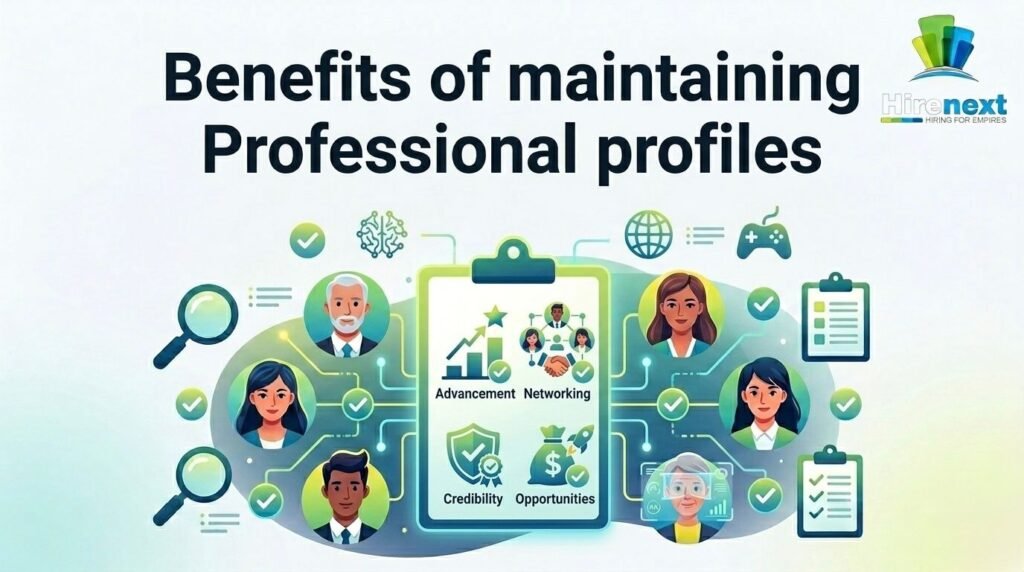
Professional social media profiles offer several advantages.
Benefits include:
- Greater recruiter visibility
- Enhanced credibility
- Expanded networking opportunities
- Increased job opportunities
- Stronger personal branding
These benefits further demonstrate how social media affects hiring outcomes.
Future Trends in Social Recruiting
Recruitment is becoming increasingly digital.
Future trends may include:
- AI-powered social recruiting
- Enhanced employer branding
- Video-first professional profiles
- Skills-focused digital portfolios
These developments will continue influencing how social media affects hiring.
Best Practices for Job Seekers
Candidates should:
- Maintain professional profiles
- Optimize LinkedIn regularly
- Share relevant industry content
- Engage professionally online
- Monitor digital reputation
These practices support career advancement and recruitment success.
Conclusion
Understanding how social media affects hiring is essential in today’s competitive job market. Recruiters increasingly use online platforms to evaluate candidates beyond resumes and interviews. A strong online presence can enhance credibility, demonstrate expertise, and improve professional opportunities.
By learning what employers look for on social media profiles and implementing effective LinkedIn profile optimization strategies, job seekers can strengthen their professional brand and increase their chances of success.
As recruitment continues evolving, social media will remain a powerful factor influencing hiring decisions. Candidates who actively manage their digital presence will be better positioned to stand out and achieve their career goals.