
Why Companies Are Hiring for Attitude, Not Just Experience
Introduction
For many years, experience was considered one of the most important factors in hiring decisions. Employers often prioritized candidates with long employment histories, industry expertise, and proven track records. While experience remains valuable, the modern workplace is changing rapidly.
Today, many organizations are placing greater emphasis on attitude, adaptability, and cultural fit. This shift explains why companies hire for attitude alongside skills and experience. Employers increasingly recognize that technical skills can often be taught, but attitude, mindset, and willingness to learn are much harder to develop.
As businesses navigate digital transformation, changing workforce expectations, and evolving market conditions, hiring managers are paying closer attention to qualities such as positivity, teamwork, resilience, and problem-solving ability.
Understanding why companies hire for attitude is essential for job seekers who want to remain competitive and for organizations seeking long-term hiring success.
This article explores the reasons behind this hiring trend, examines what employers look for beyond experience, and discusses how these changes align with emerging recruitment trends 2026.
Table of Contents
- Understanding Attitude in the Workplace
- Why Experience Alone Is No Longer Enough
- Why Companies Hire for Attitude
- The Difference Between Skills and Attitude
- What Employers Look for Beyond Experience
- The Growing Importance of Adaptability
- Positive Attitude and Workplace Performance
- Teamwork and Collaboration
- Learning Agility in Modern Workplaces
- Problem-Solving and Initiative
- Cultural Fit and Organizational Success
- Leadership Potential and Attitude
- Recruitment Trends 2026
- Industries Prioritizing Attitude-Based Hiring
- How Employers Assess Attitude During Interviews
- Benefits of Hiring for Attitude
- Challenges of Attitude-Based Hiring
- How Candidates Can Demonstrate the Right Attitude
- The Future of Recruitment
- Conclusion
Understanding Attitude in the Workplace
Attitude refers to how individuals approach their work, colleagues, challenges, and responsibilities.
A positive workplace attitude often includes:
- Willingness to learn
- Accountability
- Adaptability
- Professionalism
- Enthusiasm
- Team-oriented behavior
These qualities significantly influence workplace success.
Understanding these characteristics helps explain why companies hire for attitude when evaluating candidates.
Why Experience Alone Is No Longer Enough
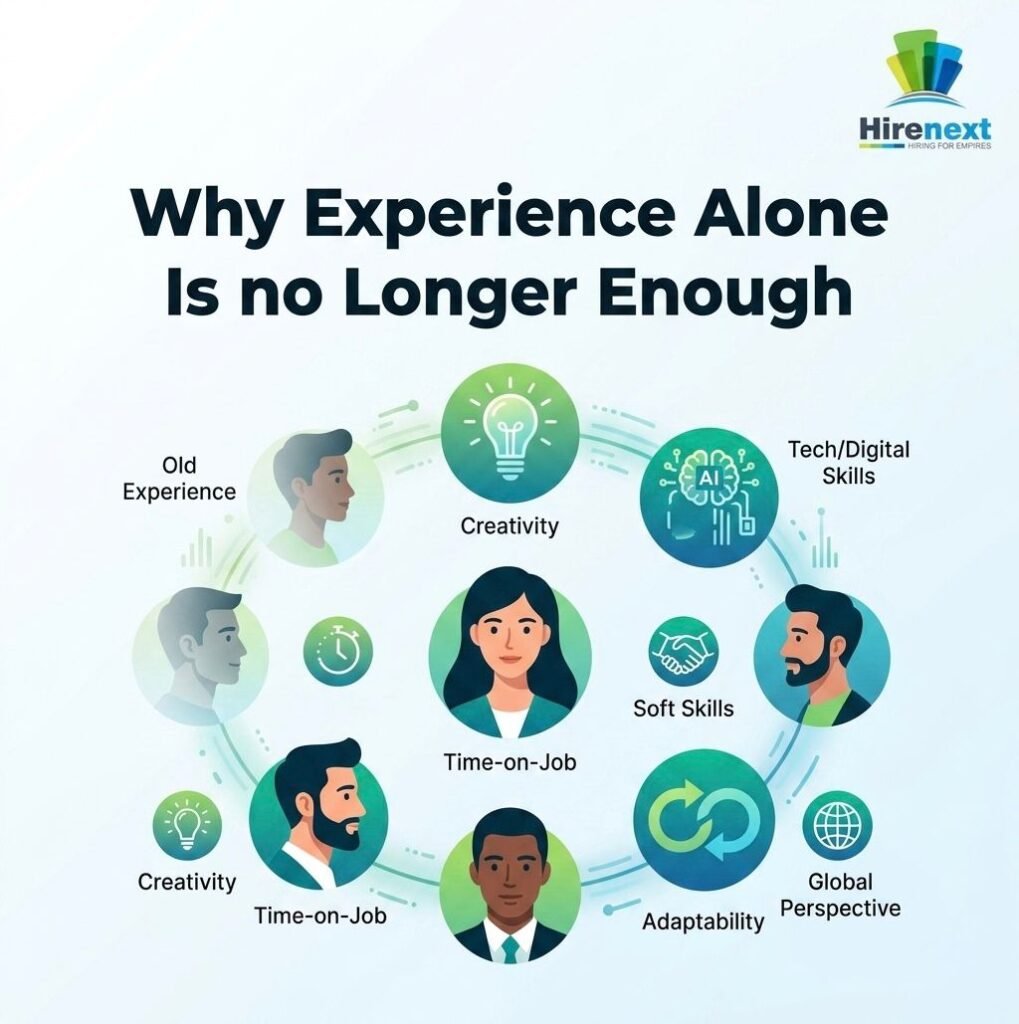
Experience provides valuable knowledge, but it does not guarantee future success.
Many organizations have discovered that highly experienced candidates may still struggle with:
- Change
- Collaboration
- Communication
- Learning new technologies
Meanwhile, less experienced candidates with strong attitudes often outperform expectations.
This realization is a major reason why companies hire for attitude in today’s competitive business environment.
Why Companies Hire for Attitude
Organizations increasingly understand that skills can be taught, but mindset often determines long-term performance.
Several factors explain why companies hire for attitude.
Better Adaptability
Employees with positive attitudes adjust more effectively to change.
Faster Learning
Candidates who are eager to learn often develop new skills quickly.
Improved Team Dynamics
Positive attitudes contribute to healthier workplace relationships.
Greater Resilience
Employees with strong mindsets often handle challenges more effectively.
These advantages make attitude a critical hiring consideration.
The Difference Between Skills and Attitude
Skills refer to what employees can do.
Examples include:
- Coding
- Marketing
- Accounting
- Data analysis
Attitude refers to how employees approach their work.
Examples include:
- Curiosity
- Motivation
- Accountability
- Collaboration
Both are important, but many employers believe attitude often determines how effectively skills are applied.
What Employers Look for Beyond Experience
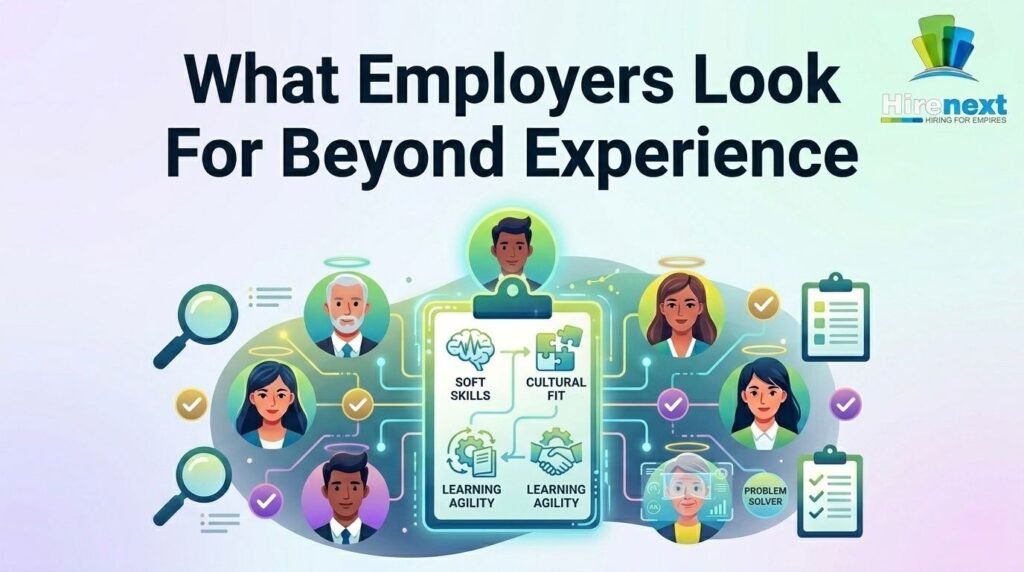
Understanding what employers look for beyond experience helps candidates improve their hiring prospects.
Employers increasingly evaluate:
Communication Skills
Clear communication supports productivity and teamwork.
Emotional Intelligence
Employees who understand and manage emotions often perform better.
Adaptability
Modern workplaces require flexibility.
Problem-Solving Ability
Employers value candidates who proactively address challenges.
Growth Mindset
A willingness to learn is highly attractive to employers.
These factors help explain why companies hire for attitude alongside technical capabilities.
The Growing Importance of Adaptability
Technology and business environments evolve rapidly.
Employees must adapt to:
- New software
- Market changes
- Organizational restructuring
- Changing customer expectations
Adaptability has become one of the most valuable workplace traits.
Positive Attitude and Workplace Performance
Research consistently shows that attitude influences performance.
Employees with positive mindsets often:
- Remain motivated
- Handle setbacks effectively
- Support colleagues
- Maintain productivity
These outcomes contribute to organizational success.
Teamwork and Collaboration

Most jobs require collaboration.
Employees who:
- Respect others
- Share knowledge
- Support team goals
often contribute more effectively to workplace success.
This is another reason why companies hire for attitude.
Learning Agility in Modern Workplaces
Learning agility refers to the ability to quickly acquire and apply new knowledge.
Organizations increasingly prioritize candidates who demonstrate:
- Curiosity
- Continuous improvement
- Openness to feedback
These qualities support long-term career growth.
Problem-Solving and Initiative
Employers value individuals who identify opportunities and address challenges proactively.
Employees with strong attitudes often:
- Take ownership
- Suggest improvements
- Seek solutions independently
These behaviors improve organizational performance.
Cultural Fit and Organizational Success
Cultural fit refers to alignment between employee values and company culture.
While skills may help employees perform tasks, cultural alignment often influences:
- Engagement
- Retention
- Team cohesion
Many hiring managers consider cultural fit when deciding what employers look for beyond experience.
Leadership Potential and Attitude
Leadership development often begins with attitude.
Employees who demonstrate:
- Accountability
- Initiative
- Integrity
- Communication skills
are frequently viewed as future leaders.
Organizations therefore consider attitude when planning long-term talent development.
Recruitment Trends 2026
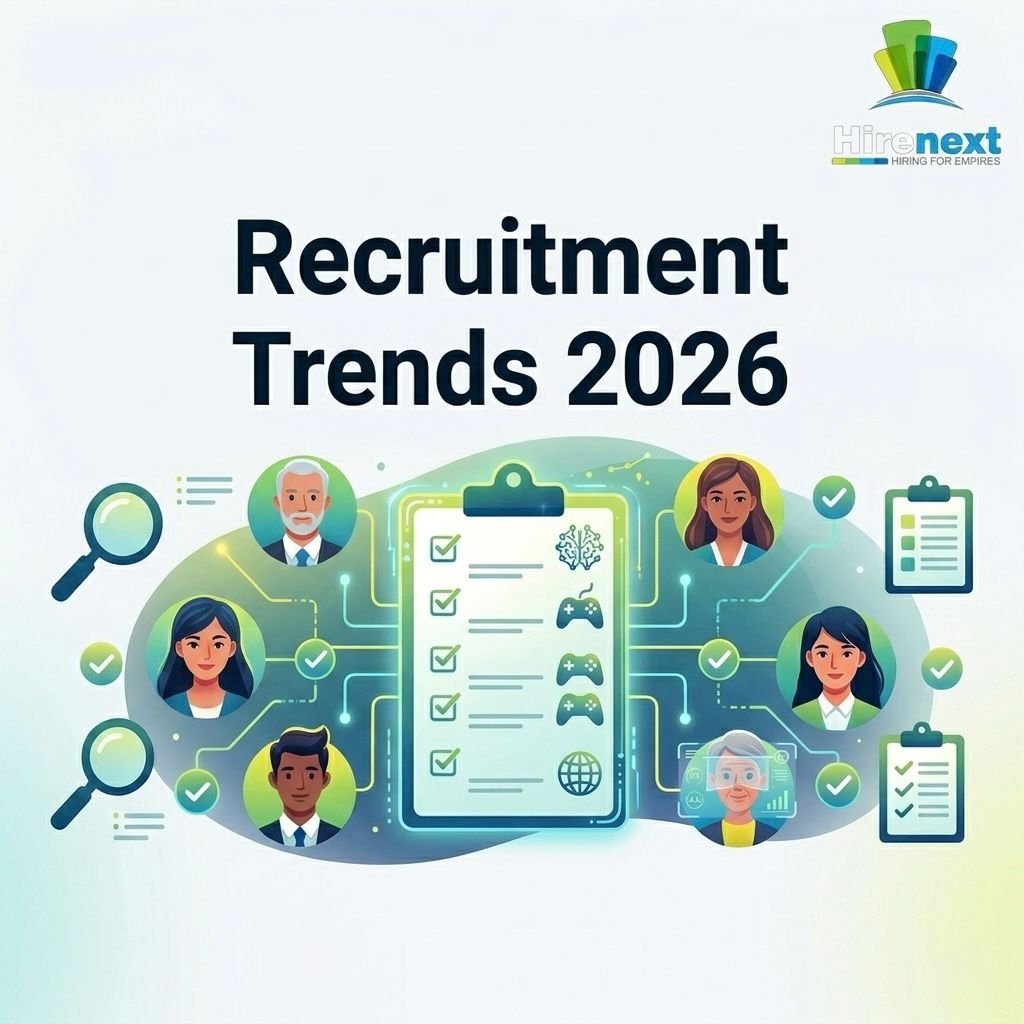
Several recruitment trends 2026 highlight the growing importance of attitude.
These trends include:
- Skills-based hiring
- Culture-focused recruitment
- Behavioral assessments
- AI-supported screening
- Potential-based hiring
These developments reflect changing workforce priorities.
Industries Prioritizing Attitude-Based Hiring
Many sectors increasingly prioritize attitude.
Examples include:
- Customer service
- Sales
- Hospitality
- Healthcare
- Retail
- Technology
In these industries, interpersonal skills often influence success as much as technical expertise.
How Employers Assess Attitude During Interviews
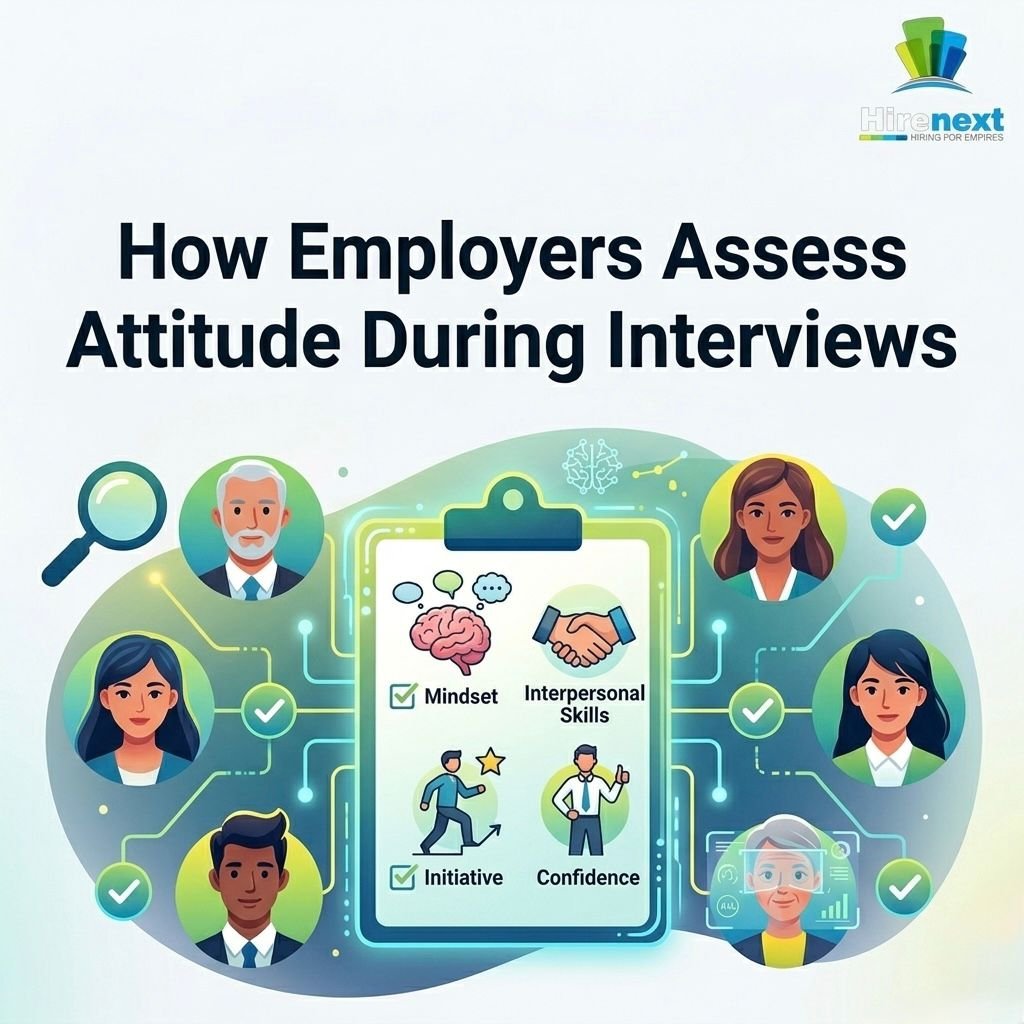
Recruiters use various methods to evaluate attitude.
Common approaches include:
Behavioral Questions
Questions about past experiences reveal mindset and behavior.
Situational Scenarios
Hypothetical challenges help assess decision-making.
Communication Assessment
Interview interactions provide insight into professionalism.
Reference Checks
Previous employers often provide valuable information.
These methods help employers understand what employers look for beyond experience.
Benefits of Hiring for Attitude
Organizations gain several advantages when prioritizing attitude.
Stronger Teams
Positive employees improve workplace culture.
Better Retention
Employees who align with company values often stay longer.
Increased Productivity
Motivated employees contribute more effectively.
Greater Innovation
Open-minded individuals support creative problem-solving.
These benefits reinforce why companies hire for attitude.
Challenges of Attitude-Based Hiring
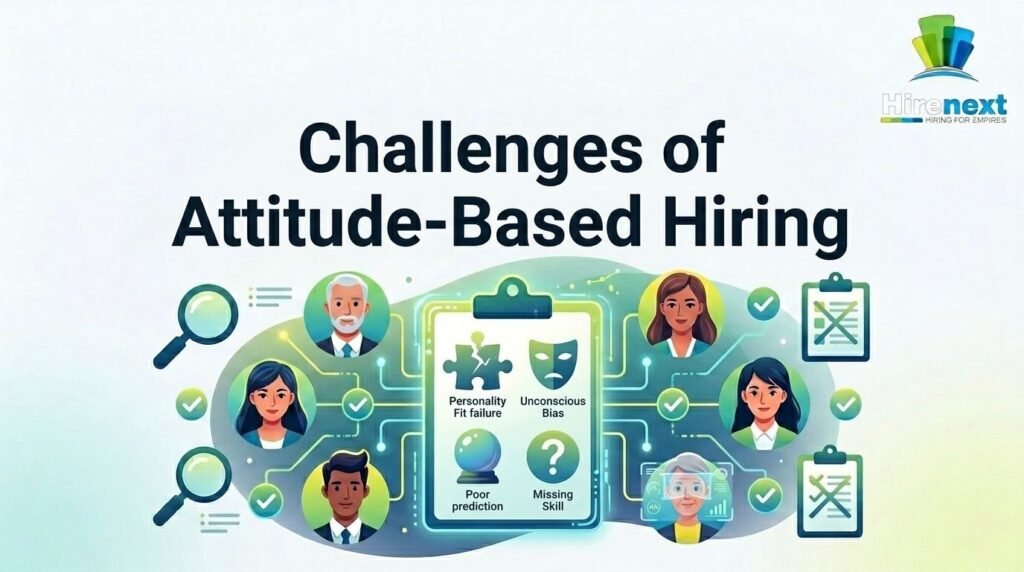
Despite its benefits, attitude-based hiring presents challenges.
Potential issues include:
- Subjective evaluations
- Interview bias
- Difficulty measuring attitude consistently
Organizations must use structured assessments to improve fairness.
How Candidates Can Demonstrate the Right Attitude
Job seekers can strengthen their applications by demonstrating:
Enthusiasm
Show genuine interest in the role.
Willingness to Learn
Discuss personal development efforts.
Professionalism
Maintain respectful communication.
Problem-Solving Examples
Share stories that highlight initiative.
These behaviors align with what employers look for beyond experience.
The Future of Recruitment
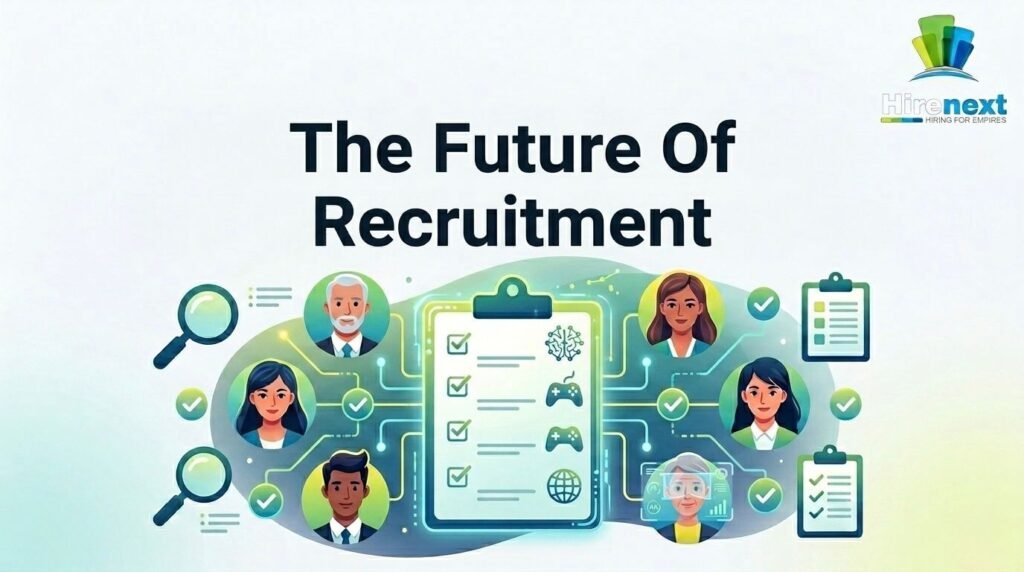
The future of hiring will likely focus on a combination of:
- Skills
- Experience
- Attitude
- Learning potential
- Cultural alignment
Emerging recruitment trends 2026 suggest that employers will increasingly evaluate candidates holistically.
This approach improves hiring quality and workforce performance.
Conclusion
The growing emphasis on attitude reflects a broader shift in modern recruitment. Understanding why companies hire for attitude helps employers build stronger teams and helps candidates prepare for changing hiring expectations.
While experience remains valuable, organizations increasingly recognize that adaptability, positivity, collaboration, and learning potential often predict long-term success more accurately. Understanding what employers look for beyond experience allows job seekers to showcase qualities that matter most in today’s workforce.
As recruitment trends 2026 continue evolving, companies that balance skills, experience, and attitude will be best positioned to attract, develop, and retain top talent.