
Why Work-Life Balance Is Now a Hiring Factor
Introduction
The modern workforce has experienced a dramatic shift in priorities over the past decade. While salary, job title, and career growth opportunities remain important, employees are increasingly evaluating companies based on one critical factor: work-life balance.
Today, candidates are not just searching for employment; they are searching for sustainable careers that allow them to succeed professionally while maintaining personal well-being. As a result, work life balance jobs have become highly attractive across industries.
Organizations that once focused primarily on compensation packages are now recognizing that employee expectations have changed. Candidates want flexibility, mental well-being support, manageable workloads, and workplace cultures that respect personal time.
This growing emphasis on balance is influencing recruitment strategies, employer branding, and talent retention efforts. Understanding why work life balance jobs are becoming a major consideration can help both employers and job seekers navigate today’s evolving employment market.
This article explores the rise of work life balance jobs, examines how work life balance affects hiring decisions, and discusses why work-life balance has become one of the most influential hiring factors in modern recruitment.
Table of Contents
- What Is Work-Life Balance?
- The Evolution of Employee Expectations
- Why Work-Life Balance Matters More Than Ever
- The Growing Demand for Work Life Balance Jobs
- How Work Life Balance Affects Hiring Decisions
- The Impact of Burnout on Recruitment
- Generational Changes in Workplace Priorities
- Mental Health and Employee Well-Being
- Flexible Work Arrangements
- Remote and Hybrid Work Models
- Productivity and Work-Life Balance
- Employer Branding and Recruitment
- Retention Benefits of Work-Life Balance
- Industries Leading the Change
- What Candidates Look for During Job Searches
- How Employers Promote Work-Life Balance
- Challenges Organizations Face
- Future Workforce Trends
- Best Practices for Employers
- Conclusion
What Is Work-Life Balance?
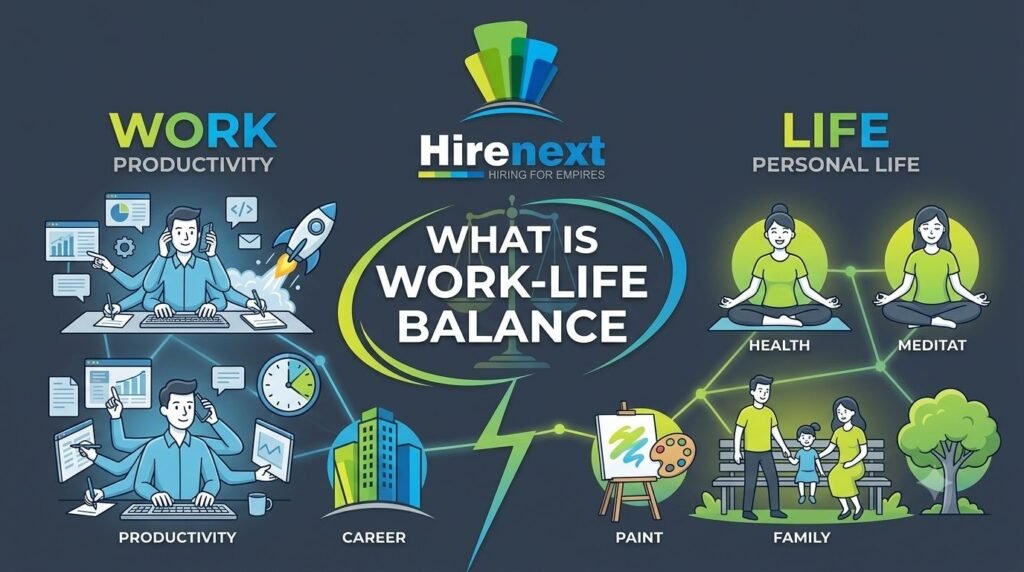
Work-life balance refers to the ability to effectively manage professional responsibilities while maintaining personal well-being, relationships, and interests.
A healthy balance allows employees to:
- Perform effectively at work
- Maintain physical health
- Support mental well-being
- Spend time with family
- Pursue personal interests
The growing popularity of work life balance jobs reflects increasing awareness of these benefits.
The Evolution of Employee Expectations
Workplace expectations have changed significantly.
Previous generations often prioritized:
- Job security
- Stable income
- Long-term employment
Today’s workforce increasingly values:
- Flexibility
- Well-being
- Purpose-driven work
- Personal development
This shift has increased demand for work life balance jobs across industries.
Why Work-Life Balance Matters More Than Ever
Several factors explain why work-life balance has become a major workplace priority.
These include:
Increased Workplace Stress
Modern work environments often involve high performance expectations.
Digital Connectivity
Employees can now remain connected to work around the clock.
Mental Health Awareness
Growing awareness of mental well-being has influenced career decisions.
Changing Lifestyle Priorities
Many professionals seek careers that support both success and quality of life.
These factors contribute to the growing popularity of work life balance jobs.
The Growing Demand for Work Life Balance Jobs
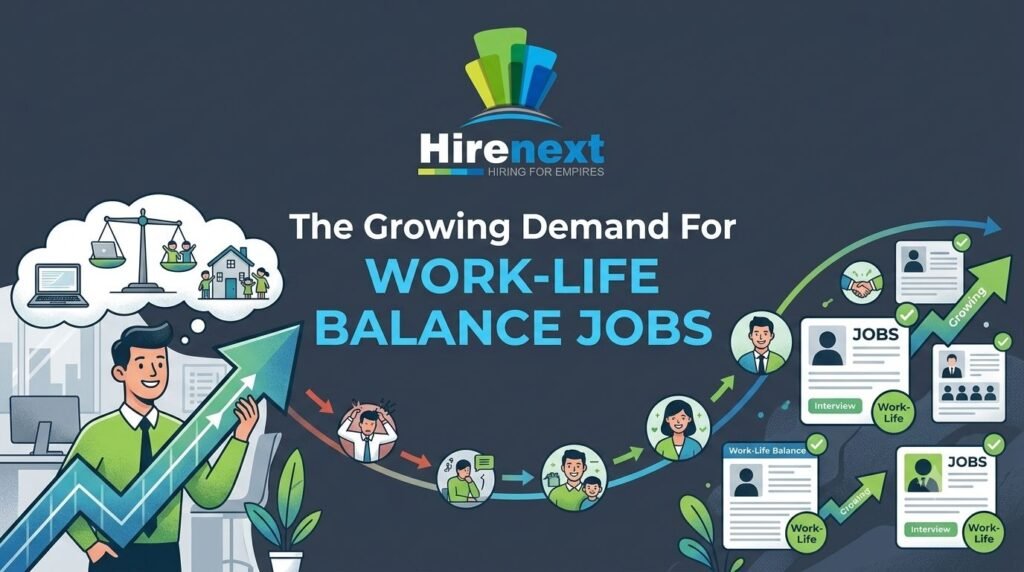
Job seekers increasingly consider work-life balance when evaluating opportunities.
Many candidates actively search for:
- Flexible schedules
- Hybrid work arrangements
- Reasonable workloads
- Wellness programs
- Supportive workplace cultures
This demand has made work life balance jobs a key recruitment differentiator.
How Work Life Balance Affects Hiring Decisions
Understanding how work life balance affects hiring decisions is essential for employers.
Many candidates now compare employers based on:
- Work flexibility
- Leave policies
- Wellness initiatives
- Overtime expectations
- Company culture
Organizations that promote balance often attract stronger applicant pools.
As a result, work life balance jobs have become increasingly competitive.
The Impact of Burnout on Recruitment
Burnout has become a major workforce concern.
Symptoms often include:
- Exhaustion
- Reduced motivation
- Decreased productivity
- Mental fatigue
Candidates increasingly seek work life balance jobs to avoid these challenges.
Organizations that address burnout concerns often improve recruitment outcomes.
Generational Changes in Workplace Priorities
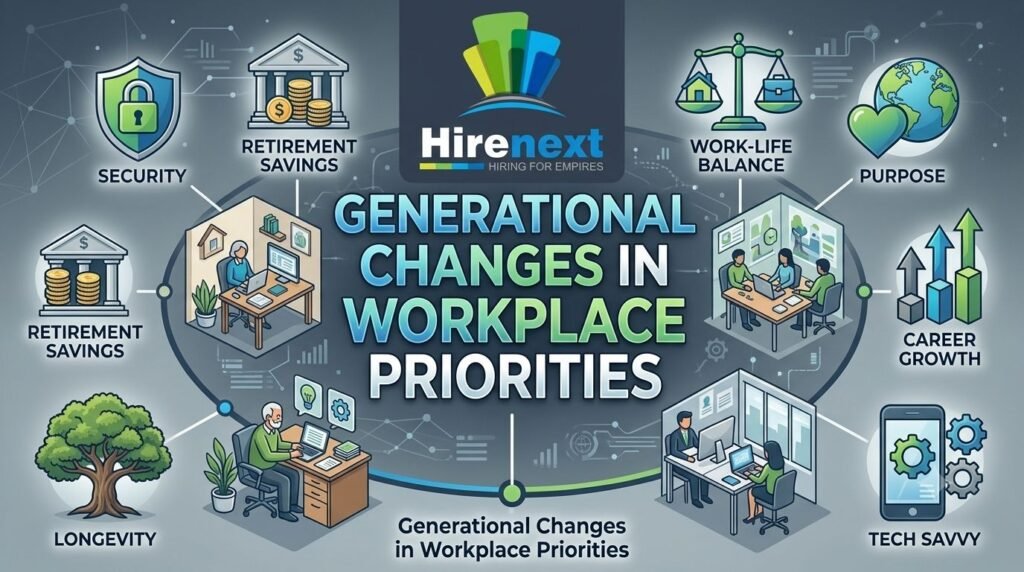
Younger generations have influenced workplace expectations significantly.
Many professionals now prioritize:
- Personal fulfillment
- Flexibility
- Mental health
- Career sustainability
These priorities explain why work life balance jobs continue growing in demand.
Mental Health and Employee Well-Being
Mental health has become an important factor in employment decisions.
Employees increasingly value organizations that support:
- Stress management
- Wellness programs
- Employee assistance resources
- Healthy workplace cultures
Work-life balance contributes directly to employee well-being.
Flexible Work Arrangements
Flexibility is one of the most desired workplace benefits.
Examples include:
- Flexible hours
- Compressed workweeks
- Remote work options
- Hybrid schedules
These arrangements make work life balance jobs more attractive to candidates.
Remote and Hybrid Work Models
The rise of remote and hybrid work has transformed recruitment.
Benefits include:
- Reduced commuting time
- Greater schedule flexibility
- Improved work-life integration
Many employees now view flexibility as essential rather than optional.
Productivity and Work-Life Balance
Contrary to common misconceptions, work-life balance often improves productivity.
Balanced employees frequently demonstrate:
- Higher engagement
- Better focus
- Stronger motivation
- Reduced absenteeism
This explains why many employers are investing in work life balance jobs.
Employer Branding and Recruitment
Employer branding plays a major role in attracting talent.
Organizations known for supporting work-life balance often:
- Receive more applications
- Improve candidate quality
- Strengthen employee loyalty
Work-life balance has become a valuable component of employer branding strategies.
Retention Benefits of Work-Life Balance
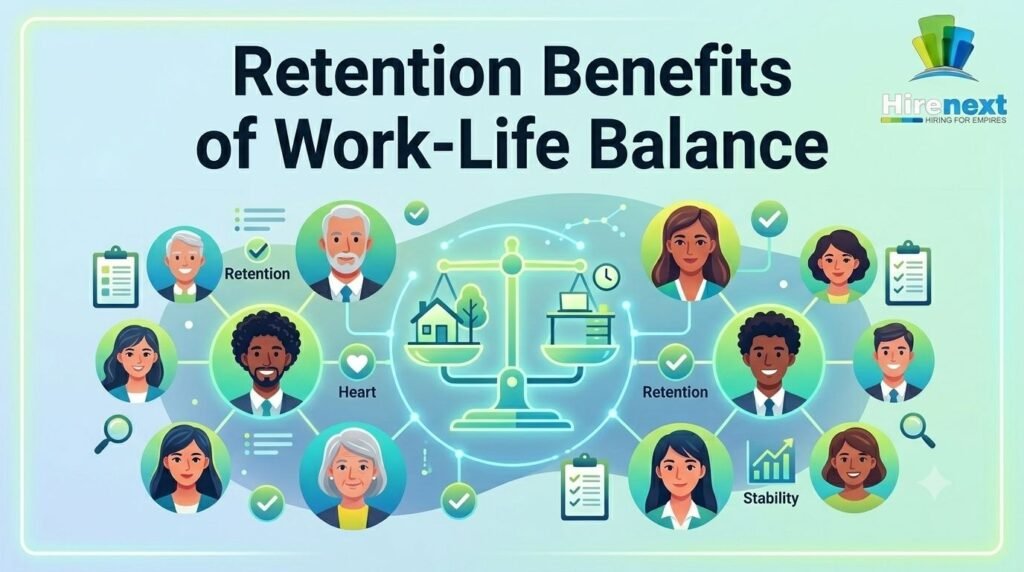
Work-life balance affects not only hiring but also retention.
Employees are more likely to remain with organizations that:
- Respect personal time
- Support well-being
- Offer flexibility
- Encourage healthy workloads
This reduces turnover and recruitment costs.
Industries Leading the Change
Several sectors are actively promoting work life balance jobs.
These include:
- Technology
- Marketing
- Consulting
- Healthcare
- Education
- Professional services
Organizations within these industries increasingly compete based on workplace culture.
What Candidates Look for During Job Searches
Modern candidates often research employers carefully.
They evaluate:
- Employee reviews
- Company culture
- Work flexibility
- Benefits packages
- Leadership reputation
These factors significantly influence how work life balance affects hiring decisions.
How Employers Promote Work-Life Balance
Organizations support balance through initiatives such as:
Flexible Scheduling
Allowing employees greater control over work hours.
Wellness Programs
Supporting physical and mental health.
Paid Time Off
Encouraging employees to recharge.
Mental Health Support
Providing access to counseling and wellness resources.
These efforts help attract candidates seeking work life balance jobs.
Challenges Organizations Face
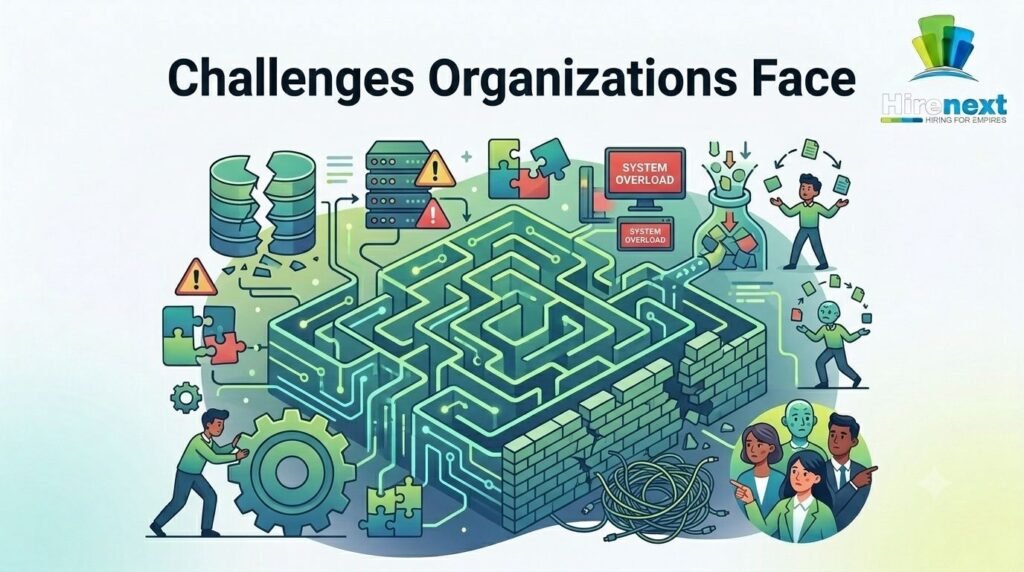
Implementing work-life balance initiatives can present challenges.
Examples include:
- Operational demands
- Staffing limitations
- Management resistance
- Productivity concerns
However, many organizations find that the benefits outweigh the challenges.
Future Workforce Trends
Several workplace trends are likely to influence future hiring.
These include:
- Increased flexibility
- Personalized employee experiences
- Wellness-focused cultures
- Hybrid work environments
These developments will continue driving demand for work life balance jobs.
Best Practices for Employers
Organizations can improve recruitment outcomes by:
- Promoting flexible policies
- Supporting employee well-being
- Encouraging healthy workloads
- Training managers effectively
- Building positive workplace cultures
These strategies strengthen recruitment and retention efforts.
Conclusion
The growing popularity of work life balance jobs reflects changing workforce priorities and evolving workplace expectations. Employees increasingly seek opportunities that support professional success while protecting personal well-being.
Understanding how work life balance affects hiring decisions helps employers recognize why flexibility, wellness, and workplace culture have become powerful recruitment tools. Organizations that prioritize work-life balance often attract stronger candidates, improve employee satisfaction, and achieve higher retention rates.
As the future of work continues evolving, work-life balance will remain a critical factor influencing hiring decisions, employee engagement, and organizational success.