
The Real Reason Interviews Feel So Difficult Today
Introduction
Job interviews have always been an important part of the hiring process, but for many candidates, interviews seem more difficult today than ever before.
Candidates are often expected to demonstrate technical knowledge, communication skills, confidence, problem-solving ability, adaptability, and cultural fit—all within a limited amount of time.
This is one reason interview preparation has become increasingly important.
In the past, candidates could often prepare by reviewing common interview questions and memorizing answers. Today, employers are increasingly using structured interviews, behavioral questions, practical assessments, skill tests, and even multiple interview rounds to evaluate candidates from different perspectives.
The result is a more complex recruitment experience.
Candidates may find themselves asking: Why are interviews so difficult? Is it because companies expect too much? Is competition becoming stronger? Or has the entire hiring process changed?
The answer is a combination of several factors.
Understanding why interviews are difficult for candidates can help job seekers prepare more effectively. Instead of simply memorizing answers, candidates can focus on understanding the expectations of modern employers and developing a more strategic approach to interview preparation.
This article explores the real reasons interviews feel so challenging today, the common mistakes candidates make, and practical strategies for performing better in different types of interviews.
Table of Contents
- Why Interviews Feel More Difficult Today
- The Changing Nature of Modern Interviews
- Why Interviews Are Difficult for Candidates
- Increased Competition for Jobs
- Employers Are Evaluating More Than Qualifications
- The Rise of Behavioral Interviews
- The Challenge of Technical Interviews
- Multiple Interview Rounds
- Practical Tests and Assessments
- The Pressure to Be Confident
- Communication and Body Language
- The Problem With Memorized Answers
- Why Candidates Overthink Interview Questions
- The Role of AI and Technology in Recruitment
- Remote and Video Interviews
- Employer Expectations Are Changing
- Common Interview Mistakes
- How to Prepare for Modern Interviews
- Research the Company
- Understand the Job Description
- Prepare Your Own Examples
- Practice Common Questions
- Prepare for Technical and Practical Questions
- Improve Communication Skills
- Build Confidence Through Practice
- Questions Candidates Should Ask Employers
- What to Do After an Interview
- How Recruiters Evaluate Candidates
- Interview Preparation for Freshers
- Interview Preparation for Experienced Professionals
- The Future of Job Interviews
- Conclusion
Why Interviews Feel More Difficult Today
The modern job interview is no longer simply a conversation between an employer and a candidate.
It has become a multi-dimensional evaluation process.
Employers want to understand:
- What a candidate knows
- What they can actually do
- How they solve problems
- How they communicate
- How they behave under pressure
- How they work with others
- Whether they can adapt
- Whether they are likely to grow with the company
This explains why interviews are difficult for candidates.
A candidate may have excellent qualifications but struggle to communicate their experience.
BlogsAnother candidate may have strong technical skills but become nervous during an interview.
Someone else may be confident but fail to demonstrate enough knowledge about the company.
The interview is therefore testing multiple capabilities simultaneously.
This makes effective interview preparation more important than simply preparing answers.
The Changing Nature of Modern Interviews
Recruitment has changed significantly because of technology, globalization, and changing workplace expectations.
Companies now have access to a much larger talent pool.
Candidates can apply for jobs across cities, states, and even countries.
This has increased competition.
At the same time, employers have developed more sophisticated ways of evaluating candidates.
Modern recruitment may include:
- Resume screening
- Phone interviews
- Video interviews
- Behavioral interviews
- Technical assessments
- Personality assessments
- Case studies
- Group discussions
- Multiple interview rounds
A candidate may therefore need to prepare for several different stages.
This is why interview preparation should be customized according to the role and hiring process.
Why Interviews Are Difficult for Candidates
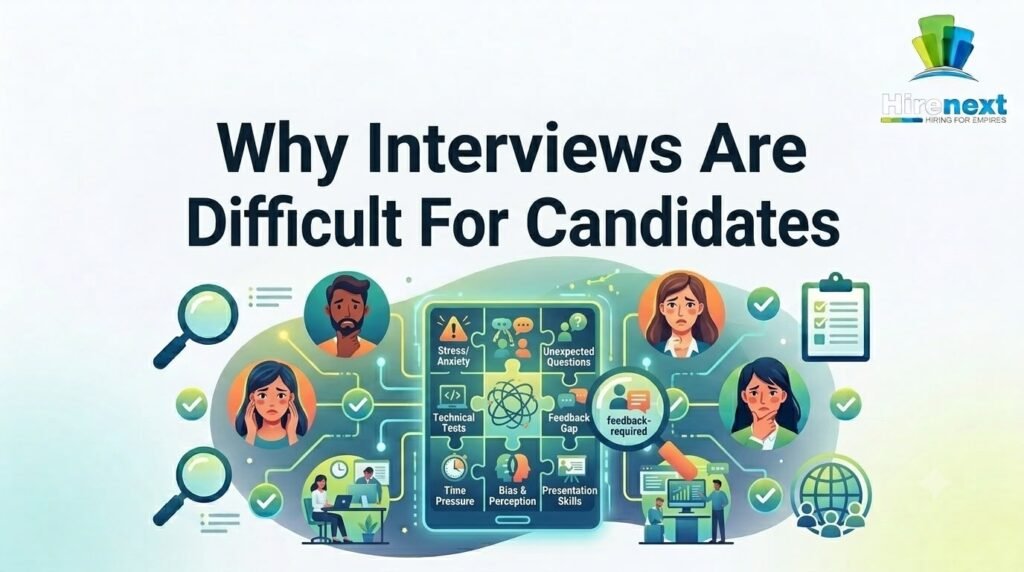
There is no single reason why interviews feel challenging.
Several factors contribute to the difficulty.
1. Increased Competition
More candidates may be applying for the same position.
Even qualified professionals may face competition from candidates with similar skills and experience.
2. Higher Employer Expectations
Companies increasingly want candidates who can contribute quickly.
They may look for a combination of technical expertise and soft skills.
3. Behavioral Evaluation
Employers want to understand how candidates have handled real situations.
4. Technical Assessments
Certain positions require candidates to demonstrate practical knowledge.
5. Interview Anxiety
Even highly qualified candidates can become nervous.
6. Complex Recruitment Processes
Some companies conduct multiple interviews before making a decision.
Together, these factors explain why interviews are difficult for candidates.
Increased Competition for Jobs
One of the biggest reasons interviews feel more difficult is increased competition.
Digital recruitment platforms allow candidates to apply for jobs quickly.
A single vacancy can attract hundreds of applications.
This means employers have more options.
As a result, candidates must do more than simply meet the minimum requirements.
They need to demonstrate why they are a strong fit.
Effective interview preparation can help candidates communicate their value more clearly.
Instead of simply saying:
“I have experience in marketing.”
A candidate could explain:
“I have experience managing social media content, creating SEO-focused articles, and supporting paid advertising campaigns.”
Specific examples provide stronger evidence of capability.
Employers Are Evaluating More Than Qualifications
A degree or certification may help a candidate qualify for a position, but it does not guarantee selection.
Employers increasingly evaluate:
- Practical skills
- Communication
- Problem-solving
- Adaptability
- Teamwork
- Leadership
- Cultural fit
This means candidates need to prepare for questions that go beyond their resume.
For example:
“Tell me about a time you solved a difficult problem.”
“How do you handle criticism?”
“Describe a situation where you worked under pressure.”
Candidates who have not prepared examples may struggle to answer effectively.
This is another reason strategic interview preparation matters.
The Rise of Behavioral Interviews
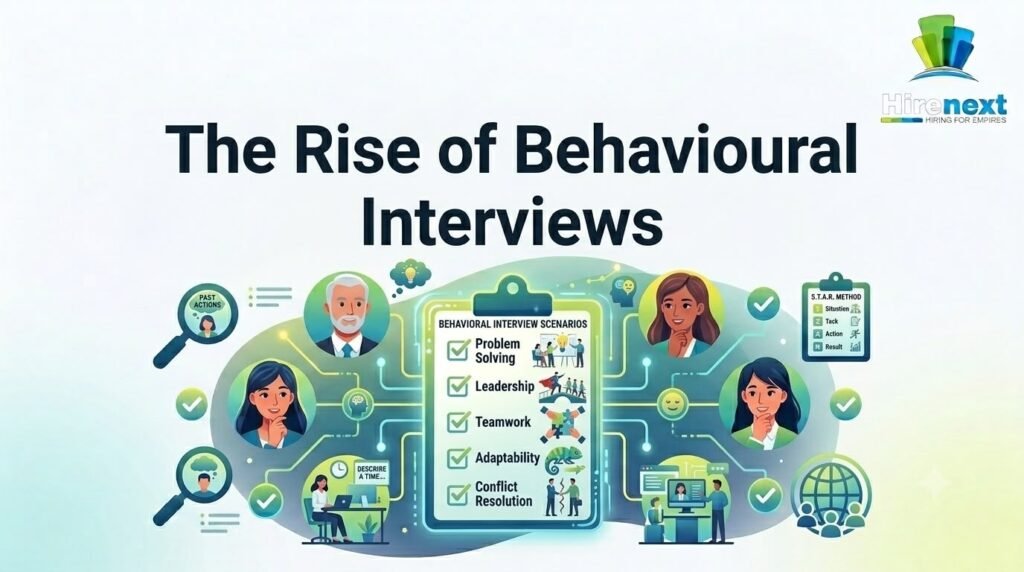
Behavioral interviews have become common across industries.
These interviews focus on past experiences to understand how candidates may behave in future situations.
Questions often begin with:
- Tell me about a time…
- Describe a situation…
- Give an example of…
- How did you handle…?
A useful way to answer behavioral questions is the STAR method:
Situation
Explain the context.
Task
Describe your responsibility.
Action
Explain what you did.
Result
Describe the outcome.
For example:
“During my internship, our campaign was receiving low engagement. I analyzed the content performance, identified that certain formats were performing better, and adjusted the content strategy. Within the next few weeks, engagement improved significantly.”
This type of answer demonstrates practical thinking.
Candidates should include STAR-based practice in their interview preparation.
The Challenge of Technical Interviews
A technical interview can be particularly challenging because candidates must demonstrate actual knowledge rather than simply discussing their experience.
Technical interviews are common in fields such as:
- Software development
- Engineering
- Data analysis
- Finance
- Digital marketing
- Design
- IT
Depending on the role, candidates may be asked to:
- Solve problems
- Analyze data
- Complete practical tasks
- Explain technical concepts
- Review previous projects
The best approach is to understand the skills listed in the job description.
Candidates should identify the most important requirements and prepare examples that demonstrate their experience.
For a digital marketing role, for example, candidates may need to discuss:
- SEO strategy
- Keyword research
- Content optimization
- Google Ads
- Meta Ads
- Analytics
Good interview preparation includes reviewing both theoretical knowledge and practical application.
Multiple Interview Rounds
Some companies conduct several stages before making a final hiring decision.
A typical process might include:
- Resume screening
- Recruiter call
- Hiring manager interview
- Technical assessment
- Final interview
Each stage may evaluate different qualities.
The recruiter may focus on:
- Communication
- Salary expectations
- Availability
The hiring manager may focus on:
- Experience
- Responsibilities
- Problem-solving
A technical interviewer may evaluate:
- Practical skills
- Technical knowledge
This multi-stage process can make candidates feel exhausted.
However, understanding the process beforehand can make interview preparation easier.
Practical Tests and Assessments
Many companies now use practical assessments to evaluate candidates.
Examples include:
- Writing assignments
- Coding tests
- Marketing tasks
- Design projects
- Sales role-plays
- Data analysis exercises
These tests can be challenging because candidates must demonstrate their abilities under time constraints.
The best preparation is to practice realistic tasks.
Candidates should not only study concepts.
They should practice applying those concepts.
The Pressure to Be Confident
Confidence is often associated with strong interview performance.
However, confidence does not mean pretending to know everything.
Candidates should be comfortable saying:
“I haven’t worked with that tool yet, but I understand the fundamentals and I’m confident I can learn it.”
This demonstrates honesty and adaptability.
Overconfidence can be equally problematic.
Candidates who exaggerate their abilities may struggle if asked follow-up questions.
Effective interview preparation helps candidates develop genuine confidence based on knowledge and practice.
Communication and Body Language
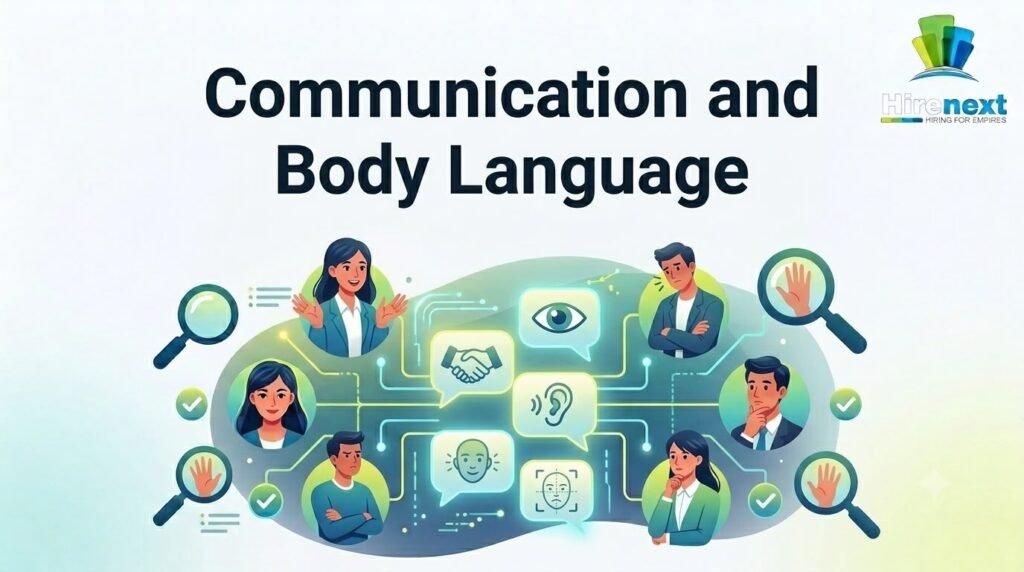
Communication plays a major role in interviews.
Candidates should focus on:
- Speaking clearly
- Maintaining appropriate eye contact
- Listening carefully
- Avoiding overly long answers
- Using professional language
Body language also matters.
Candidates should try to:
- Sit comfortably
- Maintain good posture
- Avoid excessive fidgeting
- Show engagement
However, candidates should not become so focused on body language that they forget to answer questions naturally.
The goal is to appear professional and authentic.
The Problem With Memorized Answers
One of the biggest interview mistakes is memorizing complete answers.
While preparation is important, overly rehearsed responses can sound unnatural.
Employers may notice when candidates are:
- Reciting prepared scripts
- Avoiding the actual question
- Giving generic answers
Instead of memorizing sentences, candidates should prepare key points and examples.
This allows them to adapt their responses naturally.
Good interview preparation is about understanding your own experience—not memorizing a script.
Why Candidates Overthink Interview Questions
Candidates often assume every question has one perfect answer.
This creates unnecessary anxiety.
Most interviewers are not looking for a magical response.
They want to understand:
- How you think
- How you communicate
- How you approach problems
- How you respond under pressure
If a question is unclear, candidates can ask for clarification.
Taking a few seconds to think before answering is also acceptable.
A thoughtful answer is usually better than a rushed one.
The Role of AI and Technology in Recruitment
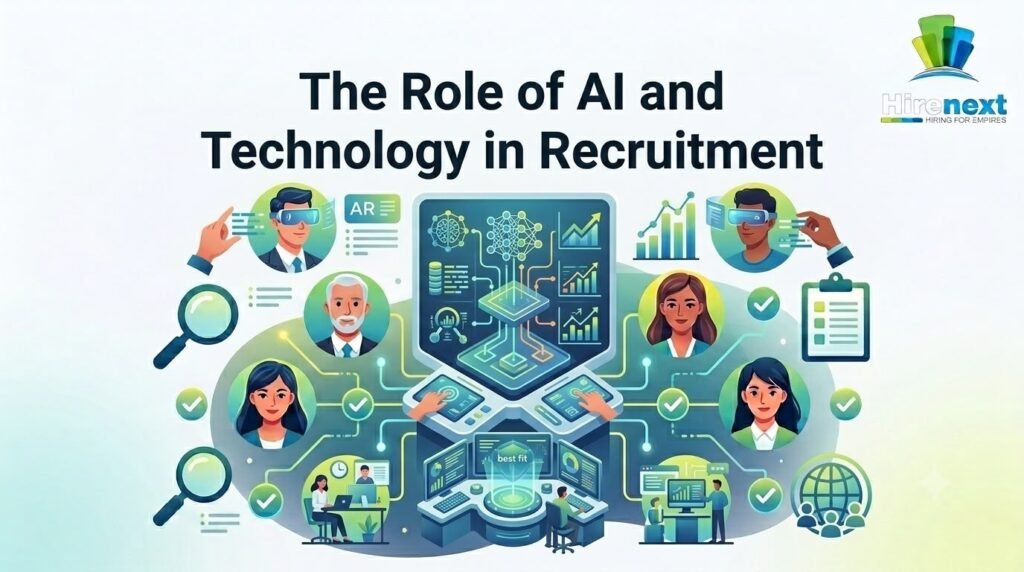
Artificial intelligence and recruitment technology are changing how companies hire.
Organizations may use technology to:
- Screen resumes
- Schedule interviews
- Analyze applications
- Conduct assessments
Candidates may therefore need to optimize their resumes and prepare for structured recruitment systems.
However, human judgment remains important.
Recruiters still evaluate:
- Personality
- Communication
- Motivation
- Cultural fit
Technology may influence recruitment, but candidates still need strong interview preparation.
Remote and Video Interviews
Video interviews have become common.
While remote interviews are convenient, they create unique challenges.
Candidates must manage:
- Internet connectivity
- Camera positioning
- Background distractions
- Microphone quality
They also need to maintain engagement through a screen.
Before a video interview, candidates should:
- Test their equipment.
- Check their internet connection.
- Choose a quiet location.
- Ensure good lighting.
- Keep their resume nearby.
- Practice looking at the camera.
These simple steps can reduce technical stress and improve confidence.
Employer Expectations Are Changing
Modern employers increasingly want candidates who can adapt.
Companies may expect employees to:
- Learn new technology
- Work independently
- Collaborate remotely
- Handle changing priorities
This means candidates should prepare examples that demonstrate adaptability.
For instance:
“When our team adopted a new software platform, I learned the system independently and helped other team members understand the basic workflow.”
Examples like this demonstrate practical workplace readiness.
Common Interview Mistakes Candidates Should Avoid
Even highly qualified candidates can struggle in interviews because of avoidable mistakes.
Some of the most common include:
- Arriving unprepared
- Giving overly long answers
- Failing to research the company
- Not understanding the job description
- Speaking negatively about previous employers
- Exaggerating skills or experience
- Focusing only on salary
- Failing to ask questions
- Showing up late
- Using generic answers
Avoiding these mistakes is an important part of effective interview preparation.
Candidates should remember that an interview is not only an opportunity for the company to evaluate them. It is also an opportunity for candidates to understand whether the company and role are right for them.
How to Prepare for Modern Interviews
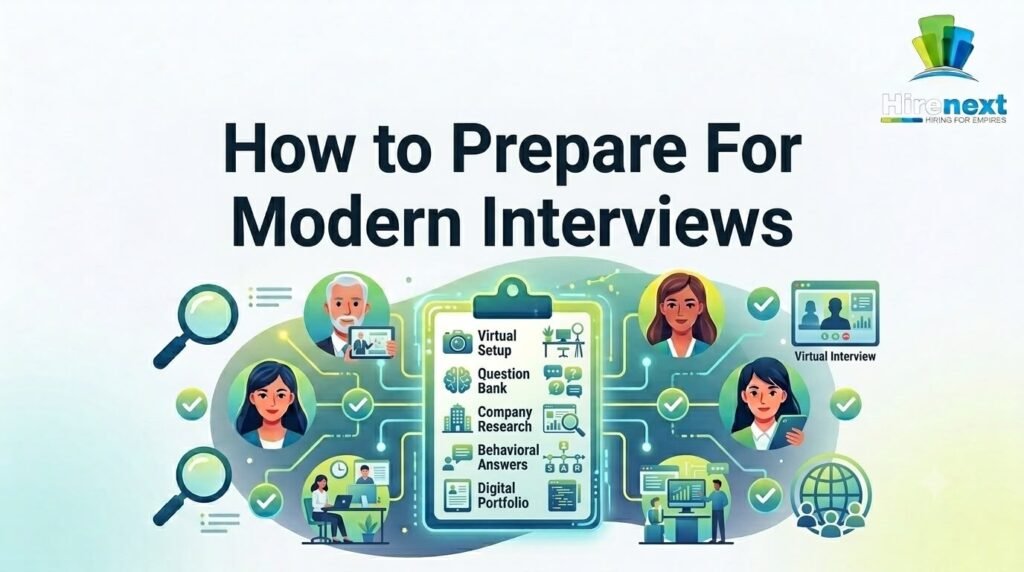
Successful interview preparation should begin several days before the actual interview.
Candidates should prepare in four key areas:
1. Company Research
Understand the organization, its products, services, customers, and recent developments.
2. Role Research
Study the job description carefully and identify the skills the employer is looking for.
3. Personal Preparation
Review your resume and prepare examples from your education, internships, projects, or previous jobs.
4. Practical Preparation
Practice answering questions and prepare for technical or role-specific assessments.
This approach is more effective than simply memorizing common interview questions.
Research the Company
One of the biggest mistakes candidates make is attending an interview without knowing much about the company.
Before the interview, research:
- Company history
- Products or services
- Target customers
- Industry
- Competitors
- Company culture
- Recent achievements
Candidates should also understand why they want to work there.
A common question is:
“Why do you want to join our company?”
A weak answer might be:
“Because I need a job.”
A stronger answer connects the candidate’s interests with the company’s work.
For example:
“I am interested in this role because it combines my experience in digital marketing with my interest in working with a growing brand.”
Good company research can make interview preparation more focused and help candidates answer questions with greater confidence.
Understand the Job Description
The job description is one of the most valuable resources available to candidates.
It tells you what the employer expects.
Before an interview, identify:
- Required skills
- Preferred experience
- Key responsibilities
- Technical requirements
- Soft skills
- Reporting structure
Then connect each requirement with your own experience.
For example, if the job description asks for strong communication skills, prepare an example that demonstrates how you communicated with a client, customer, manager, or team.
If it requires problem-solving, prepare a story about a challenge you successfully handled.
This approach helps candidates understand why interviews are difficult for candidates and how targeted preparation can make them easier.
Prepare Your Own Examples
Candidates often know their qualifications but struggle to explain them through examples.
Instead of simply saying:
“I am good at teamwork.”
Explain a real situation.
For example:
“During a college project, I worked with four team members. We divided responsibilities, created deadlines, and reviewed each other’s work before submission. This helped us complete the project on time.”
Real examples make answers more credible.
Candidates should prepare examples related to:
- Teamwork
- Leadership
- Problem-solving
- Conflict
- Failure
- Success
- Time management
- Adaptability
These examples can be adapted to different interview questions.
Practice Common Interview Questions
Candidates should practice common questions without memorizing exact answers.
Some questions include:
“Tell me about yourself.”
Prepare a concise professional introduction covering:
- Your background
- Relevant experience
- Key skills
- Career goals
“Why should we hire you?”
Connect your strengths with the company’s needs.
“What are your strengths?”
Choose strengths relevant to the position.
“What is your weakness?”
Choose a genuine but manageable weakness and explain how you are improving.
“Where do you see yourself in five years?”
Show realistic ambition and willingness to grow.
“Why do you want this job?”
Connect your interests, skills, and career goals with the role.
Good interview preparation helps candidates answer these questions naturally instead of sounding rehearsed.
Prepare for Technical and Practical Questions
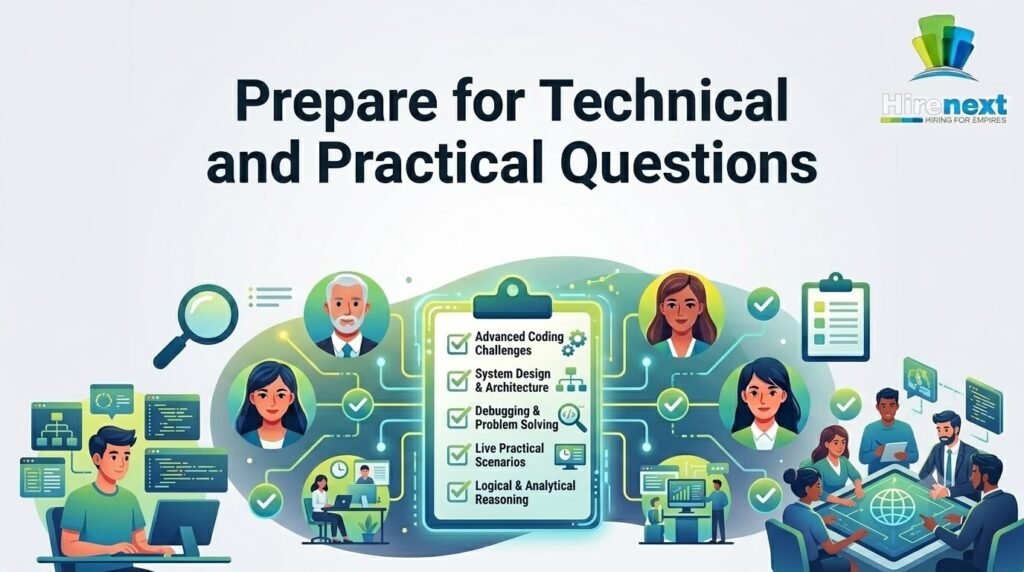
Candidates applying for specialized positions should prepare for role-specific assessments.
For a technical interview, preparation may include:
- Reviewing fundamental concepts
- Practicing practical problems
- Revisiting previous projects
- Understanding industry tools
- Preparing to explain your decision-making
For a digital marketing role, candidates might be asked:
- How would you improve a website’s SEO?
- How would you measure campaign performance?
- What is keyword research?
- How would you create a social media strategy?
For a sales role, candidates might be asked to:
- Handle a mock customer objection
- Explain a product
- Demonstrate persuasion skills
The best preparation combines knowledge with practice.
Improve Communication Skills
Many candidates know the right answer but struggle to communicate it effectively.
Strong communication involves:
- Listening carefully
- Answering directly
- Speaking clearly
- Organizing thoughts
- Avoiding unnecessary details
Candidates should use a simple structure:
Point → Explanation → Example
For instance:
“One of my strengths is problem-solving. During my internship, I noticed that a campaign was underperforming, so I reviewed the data and adjusted the content strategy. This helped improve engagement.”
This structure makes answers easy to understand.
Practicing communication is one of the most valuable parts of interview preparation.
Build Confidence Through Practice
Confidence does not usually appear automatically.
It develops through preparation and repetition.
Candidates can practice by:
- Recording themselves
- Practicing with friends
- Participating in mock interviews
- Answering questions aloud
- Reviewing their responses
Recording yourself can reveal:
- Speaking too quickly
- Repeated filler words
- Poor posture
- Unclear explanations
Candidates do not need to eliminate nervousness completely.
The goal is to learn how to manage it.
Questions Candidates Should Ask Employers
An interview should be a two-way conversation.
Candidates should prepare thoughtful questions such as:
- What does success look like in this role?
- What would my first three months look like?
- What are the biggest challenges in this position?
- How does the team collaborate?
- What opportunities are available for learning and growth?
- How is performance evaluated?
Asking questions demonstrates genuine interest.
It also helps candidates determine whether the job is suitable for them.
What to Do After an Interview
The interview process does not necessarily end when you leave the meeting.
Candidates should:
- Review how the interview went.
- Note questions they found difficult.
- Identify areas for improvement.
- Send a professional follow-up message if appropriate.
Candidates can use every interview as a learning experience.
Even if they do not receive an offer, the experience can improve future interview preparation.
How Recruiters Evaluate Candidates
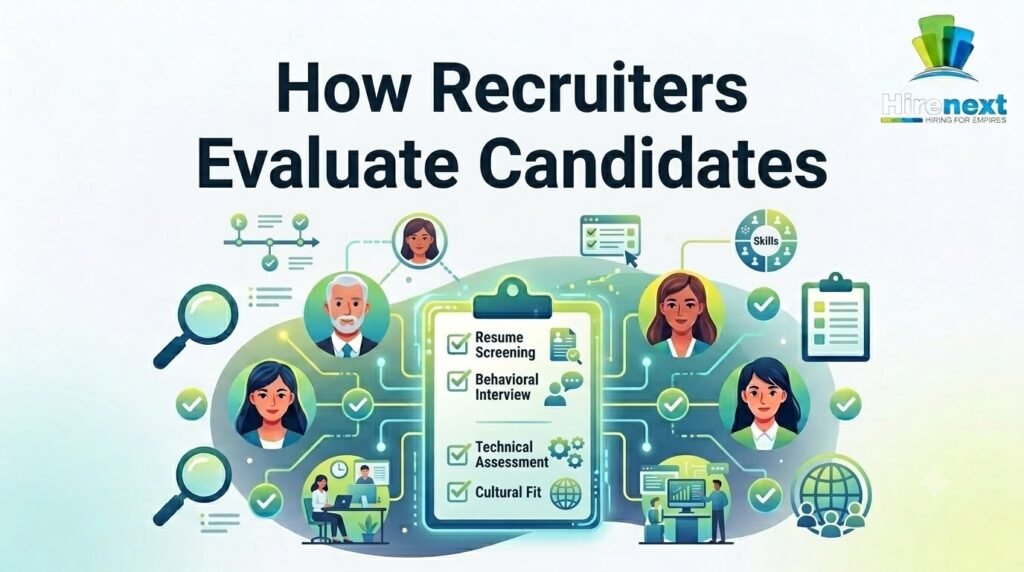
Understanding the recruiter’s perspective can help candidates prepare more effectively.
Recruiters may evaluate:
Qualifications
Does the candidate meet the basic requirements?
Skills
Can the candidate perform the job?
Communication
Can they express ideas clearly?
Experience
Have they handled similar responsibilities?
Cultural Fit
Will they work effectively within the organization?
Motivation
Do they genuinely want the position?
Potential
Can they grow with the company?
This explains why interviews today may feel more complex.
Companies are evaluating the complete candidate rather than just their resume.
Interview Preparation for Freshers
Freshers often believe they have nothing to discuss because they lack professional experience.
This is not true.
Freshers can discuss:
- College projects
- Internships
- Certifications
- Volunteer work
- Personal projects
- Leadership roles
- Academic achievements
For example, a candidate without work experience can explain how they managed a college project, solved a problem, or worked with a team.
The key is to connect experiences with relevant job-ready skills.
Freshers should also be honest about what they do not know.
Instead of pretending to have expertise, they can demonstrate their willingness to learn.
This can create a positive impression.
Interview Preparation for Experienced Professionals
Experienced candidates face different challenges.
They may be expected to provide detailed examples of:
- Leadership
- Business impact
- Problem-solving
- Team management
- Strategic decisions
Experienced professionals should focus on measurable achievements.
Instead of saying:
“I managed a sales team.”
A stronger answer could be:
“I managed a team of eight sales professionals and helped improve quarterly revenue by 20%.”
Specific results demonstrate impact.
Experienced candidates should also avoid assuming that their previous experience automatically guarantees selection.
They still need to understand the new company’s requirements and prepare accordingly.
Why Interviews Feel Difficult Even When Candidates Are Qualified
Sometimes the problem is not a lack of ability.
The candidate may simply struggle to communicate their value.
For example, someone may have excellent technical skills but:
- Become nervous
- Give unclear answers
- Speak too quickly
- Fail to provide examples
- Lack knowledge about the company
This is why interview preparation is so important.
The purpose of preparation is not to turn candidates into scripted performers.
It is to help them communicate their genuine capabilities effectively.
The Future of Job Interviews
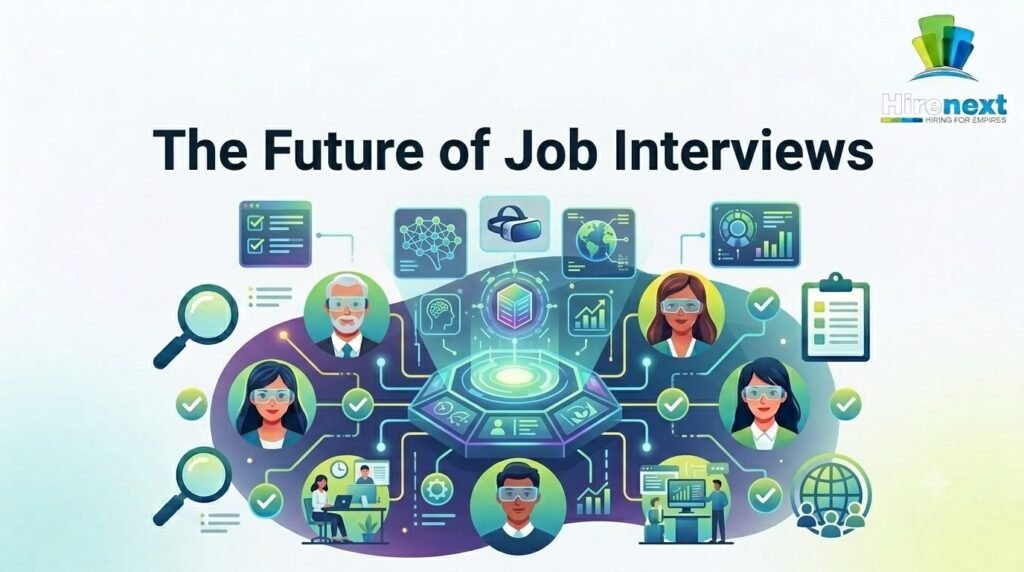
The interview process will likely continue evolving.
Companies may increasingly use:
- AI-assisted screening
- Video interviews
- Skills assessments
- Job simulations
- Structured behavioral interviews
However, human interaction will remain important.
Employers still need to understand:
- Personality
- Motivation
- Communication
- Emotional intelligence
- Cultural fit
Candidates should therefore prepare for both technology-driven assessments and human conversations.
How Candidates Can Make Interviews Easier
Interviews may always involve some pressure, but candidates can make them more manageable by following a simple approach.
Before the Interview
- Research the company.
- Study the job description.
- Review your resume.
- Prepare relevant examples.
- Practice common questions.
- Prepare questions for the interviewer.
During the Interview
- Listen carefully.
- Take a moment before answering.
- Give specific examples.
- Be honest.
- Communicate clearly.
- Stay professional.
After the Interview
- Reflect on your performance.
- Identify areas for improvement.
- Follow up professionally.
- Use the experience to improve.
This creates a complete interview preparation strategy.
The Real Reason Interviews Feel So Difficult Today
The real reason interviews feel more difficult today is that employers are no longer evaluating candidates based on one or two factors.
They are looking at the complete picture.
Candidates are expected to demonstrate:
- Knowledge
- Skills
- Experience
- Communication
- Adaptability
- Problem-solving
- Confidence
- Cultural fit
At the same time, competition has increased, recruitment processes have become more structured, and technology has introduced new stages of evaluation.
This does not necessarily mean that companies are making interviews unnecessarily difficult.
Instead, the hiring process is becoming more comprehensive.
The challenge for candidates is learning how to communicate their value within this changing environment.
Conclusion
Interviews feel more difficult today because the modern hiring process has become more complex.
Employers are evaluating more than academic qualifications and previous job titles. They want to understand how candidates think, communicate, solve problems, adapt to change, and contribute to a team.
The rise of behavioral interviews, practical assessments, technical interview rounds, video interviews, and multiple recruitment stages has increased the importance of effective interview preparation.
However, candidates should remember that preparation is not about memorizing perfect answers.
It is about understanding the company, studying the role, reviewing your own experience, practicing communication, and developing the confidence to explain what you can contribute.
Understanding why interviews are difficult for candidates is the first step toward improving interview performance.
The best candidates are not necessarily those who never feel nervous. They are the ones who prepare well enough to manage their nervousness and communicate their abilities clearly.
Whether you are a fresher attending your first interview or an experienced professional applying for a senior role, preparation can make a significant difference.
Research the company. Understand the position. Prepare real examples. Practice common questions. Be ready for technical and practical assessments. Most importantly, be authentic.
The modern interview may be challenging, but it is also an opportunity.
With the right interview preparation, candidates can turn a stressful conversation into an opportunity to demonstrate their skills, experience, potential, and value to the right employer.