
Why Businesses Lose Good Employees Within 3 Months
Introduction
Hiring a talented employee is a major achievement for any business. However, many organizations face a frustrating reality: some of their best hires leave within the first three months. This early departure not only disrupts daily operations but also increases the employee turnover cost, affecting productivity, morale, and business growth.
The first 90 days of employment are often the most critical period in an employee’s journey. During this time, new hires evaluate the company just as much as the company evaluates them. They observe management styles, communication, training quality, growth opportunities, and overall workplace culture. If these expectations aren’t met, even highly skilled employees may begin searching for new opportunities.
Many employers assume salary is the primary reason people leave. While compensation matters, studies and workplace experience show that poor onboarding, lack of support, unclear expectations, and unhealthy work environments are often the real reasons why good employees don’t stay long.
Understanding these challenges can help organizations reduce the employee turnover cost, improve retention, and build stronger teams.
Table of Contents
- Why the First 90 Days Matter
- Understanding Employee Turnover Cost
- Why Good Employees Don’t Stay Long
- Poor Onboarding Experience
- Unclear Job Expectations
- Weak Workplace Culture
- Poor Management and Leadership
- Lack of Career Growth
- Employee Productivity During the First Three Months
- Communication Problems
- Work-Life Balance Issues
- Recognition and Employee Engagement
- Hiring Mistakes That Increase Turnover
- Building a Better Workplace Culture
- How to Improve Employee Retention
- Best Hiring Practices
- Long-Term Benefits of Retaining Employees
- Conclusion
Why the First 90 Days Matter

The first three months are often called the “foundation period” of employment.
During this time, new employees are learning:
- Company processes
- Team dynamics
- Workplace expectations
- Communication styles
- Performance standards
At the same time, they are asking themselves important questions:
- Did I make the right career choice?
- Does this company value its employees?
- Can I grow here?
- Do I feel respected?
- Is this a healthy work environment?
If the answers are mostly negative, employees may decide to leave before becoming fully integrated into the organization.
For employers, this means starting the hiring process all over again, increasing the employee turnover cost.
Understanding Employee Turnover Cost
Many businesses believe the employee turnover cost only includes advertising a vacancy and hiring a replacement.
In reality, it includes much more.
The total employee turnover cost may involve:
- Recruitment expenses
- Resume screening
- Interview time
- Onboarding costs
- Training programs
- Lost productivity
- Overtime payments
- Reduced customer satisfaction
- Leadership time
- Replacement hiring
When employees leave within three months, businesses rarely recover the investment already made in recruitment and training.
Why Good Employees Don’t Stay Long
Many employers wonder why good employees don’t stay long, especially after investing significant time and resources into hiring them.
In most cases, talented employees leave because their workplace experience doesn’t match the expectations created during recruitment.
Common reasons include:
- Poor onboarding
- Weak management
- Lack of communication
- Toxic workplace culture
- Limited career growth
- Excessive workloads
- Lack of appreciation
Understanding these issues helps businesses reduce early resignations.
Poor Onboarding Experience
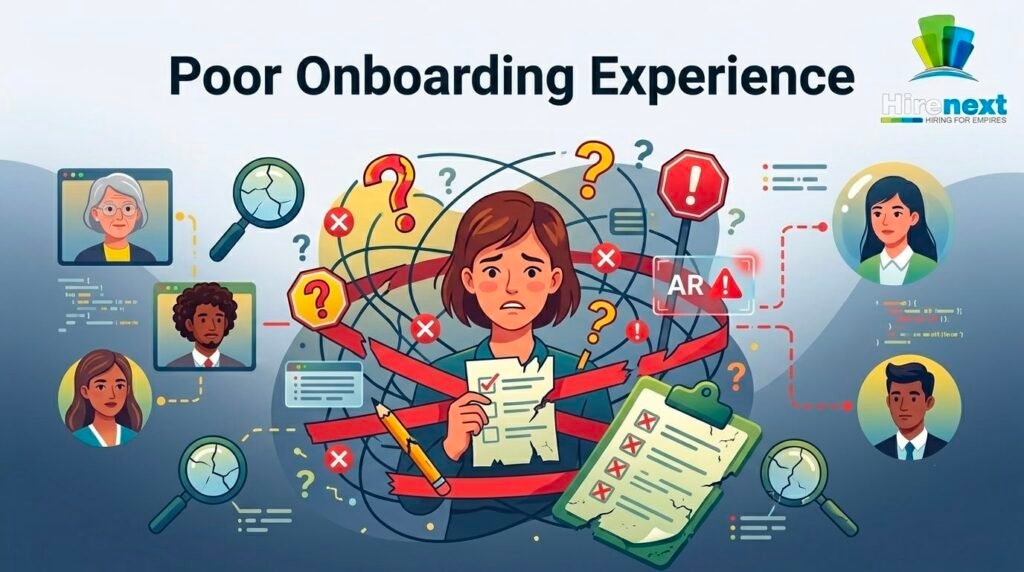
One of the biggest reasons employees leave quickly is ineffective onboarding.
Many organizations assume onboarding ends after the first day.
In reality, successful onboarding often continues for several weeks or even months.
A poor onboarding experience may include:
- Minimal training
- Lack of guidance
- No clear introduction to company processes
- Limited interaction with team members
- Confusing responsibilities
When employees feel unsupported, they begin questioning their decision to join the company.
Strong onboarding reduces the employee turnover cost by helping employees become productive faster.
Unclear Job Expectations
Another common reason why good employees don’t stay long is unclear expectations.
Sometimes job descriptions differ significantly from actual responsibilities.
Employees may discover:
- Additional tasks
- Unrealistic targets
- Unexpected working hours
- Different reporting structures
This mismatch creates disappointment and reduces trust.
Managers should clearly communicate:
- Daily responsibilities
- Performance expectations
- Success metrics
- Company goals
Clear expectations improve employee confidence and engagement.
Weak Workplace Culture
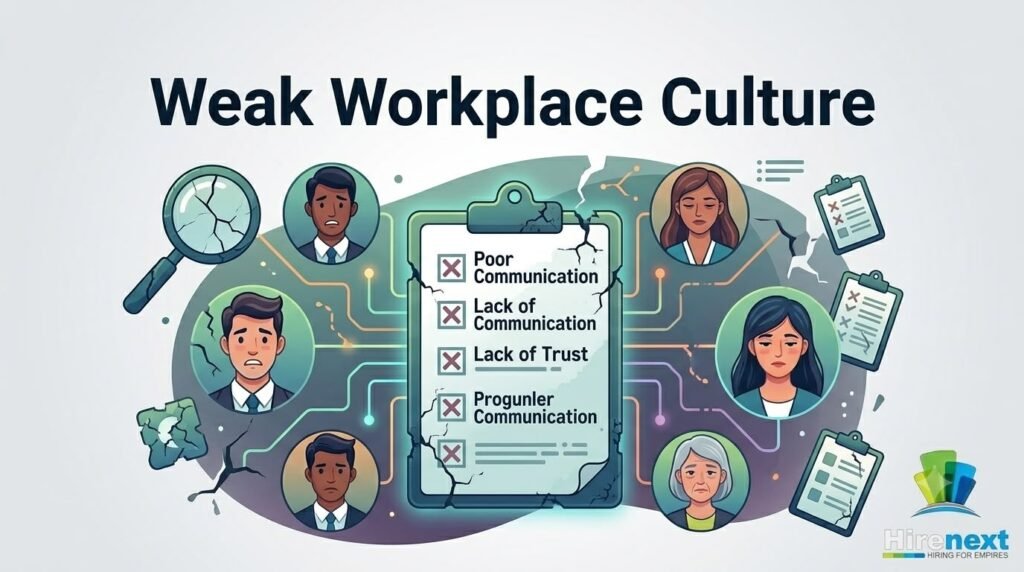
A healthy workplace culture encourages collaboration, respect, and employee well-being.
Unfortunately, many employees discover unhealthy cultures shortly after joining.
Signs of poor workplace culture include:
- Lack of teamwork
- Office politics
- Poor communication
- Micromanagement
- Employee favoritism
- High stress
- Negative attitudes
Even highly motivated employees struggle to succeed in toxic environments.
Strong workplace culture is one of the most effective ways to reduce the employee turnover cost.
Poor Management and Leadership
Employees often leave managers—not companies.
Poor leadership can significantly increase early resignations.
Common leadership problems include:
- Lack of feedback
- Constant criticism
- Micromanagement
- Unclear communication
- Limited support
- Unrealistic expectations
Managers play a critical role during an employee’s first three months.
Supportive leaders help new hires feel welcomed, motivated, and confident.
Lack of Career Growth
Ambitious employees want opportunities to develop professionally.
If they cannot see a future within the company, they begin exploring opportunities elsewhere.
Employees often look for:
- Training programs
- Mentorship
- Skill development
- Promotions
- Challenging projects
Without visible career progression, organizations risk losing talented professionals.
This explains why good employees don’t stay long, even when salaries are competitive.
Employee Productivity During the First Three Months
The first 90 days have a major influence on long-term employee productivity.
New employees require time to:
- Learn systems
- Understand workflows
- Build relationships
- Gain confidence
When onboarding and management are effective, employee productivity gradually improves.
However, poor onboarding creates confusion and delays performance.
If employees resign before reaching full productivity, businesses lose both time and money, increasing the overall employee turnover cost.
Communication Problems
Clear communication is essential for employee satisfaction.
New employees need regular guidance and feedback.
Poor communication often includes:
- Infrequent manager check-ins
- Delayed responses
- Unclear instructions
- Lack of performance discussions
Employees who feel ignored are less likely to remain engaged.
Regular communication strengthens trust and improves retention.
Work-Life Balance Issues
One of the fastest ways to lose talented employees is by expecting them to sacrifice their personal lives for work.
Today’s workforce places significant value on work-life balance. While employees understand that occasional busy periods are unavoidable, consistently long hours and unrealistic workloads often lead to frustration.
Common work-life balance issues include:
- Frequent overtime
- Weekend work
- Unreasonable deadlines
- Lack of flexibility
- Constant availability expectations
When employees feel exhausted within their first few months, they begin questioning whether the job is sustainable.
Improving work-life balance not only reduces the employee turnover cost but also improves employee satisfaction and long-term performance.
Recognition and Employee Engagement
Employees want to know that their contributions matter.
Unfortunately, many organizations focus only on correcting mistakes while ignoring achievements.
Simple recognition can have a significant impact during the first 90 days.
Examples include:
- Positive feedback
- Public appreciation
- Performance rewards
- Celebrating milestones
- Thank-you messages
Employees who feel valued are more engaged and are far less likely to leave.
Recognition strengthens both employee morale and overall workplace culture.
Hiring Mistakes That Increase Turnover
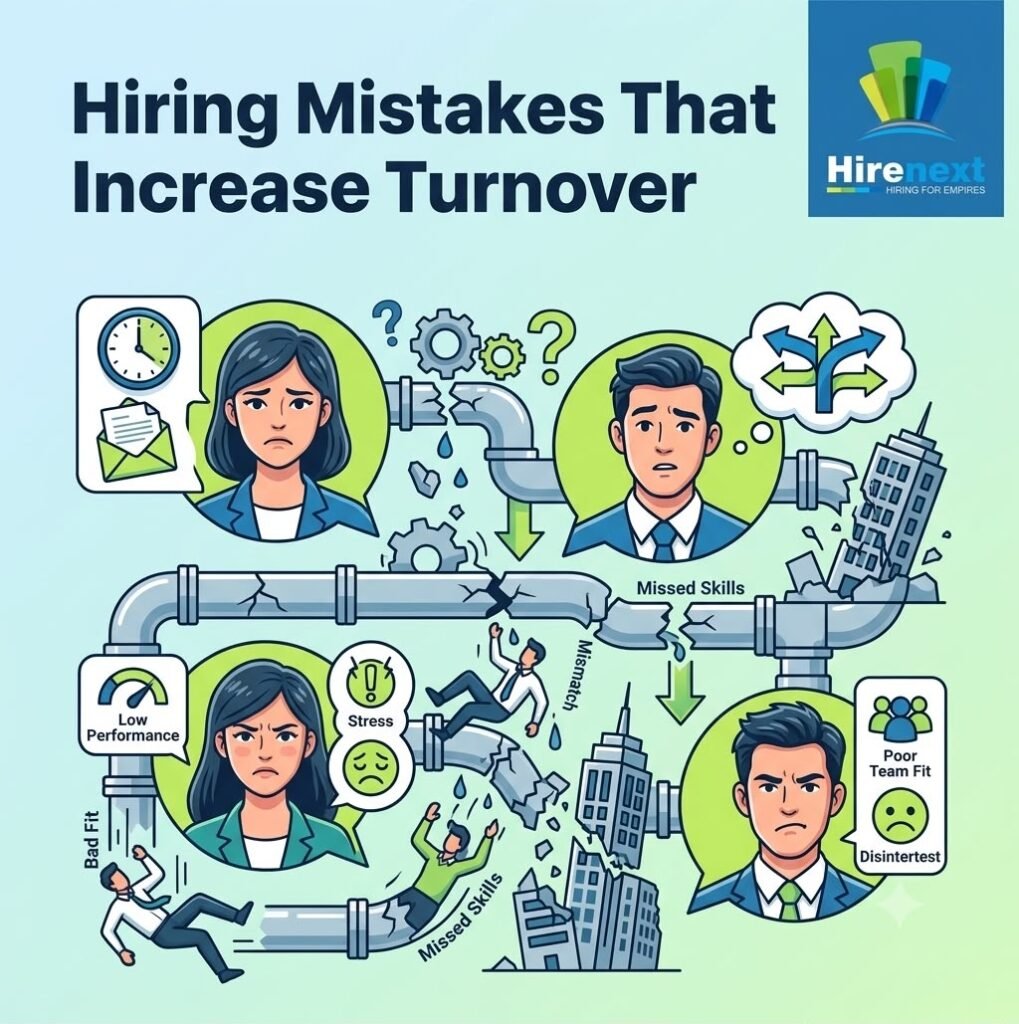
Sometimes the problem begins before the employee even joins the organization.
Several recruitment mistakes contribute directly to early resignations.
Hiring Too Quickly
Businesses under pressure often rush recruitment decisions.
Hiring the wrong candidate increases the likelihood of early turnover.
Overselling the Job
Some companies promise rapid promotions, flexible working conditions, or exciting responsibilities during interviews.
When reality differs from expectations, trust disappears.
This is one reason why good employees don’t stay long.
Ignoring Cultural Fit
Technical skills are important, but they are only part of successful hiring.
Employees should also align with:
- Company values
- Communication styles
- Team dynamics
- Leadership expectations
Poor cultural fit often leads to dissatisfaction despite strong technical performance.
Building a Better Workplace Culture
A positive workplace culture encourages employees to stay.
Culture influences:
- Communication
- Collaboration
- Respect
- Leadership
- Employee motivation
Businesses can strengthen workplace culture by:
Encouraging Open Communication
Employees should feel comfortable asking questions and sharing concerns.
Supporting Collaboration
Healthy teamwork creates stronger relationships and improves job satisfaction.
Promoting Respect
Every employee should feel valued regardless of their position.
Providing Continuous Learning
Training and development demonstrate that the company is invested in employee success.
Strong workplace culture significantly reduces the employee turnover cost by increasing retention.
How to Improve Employee Retention
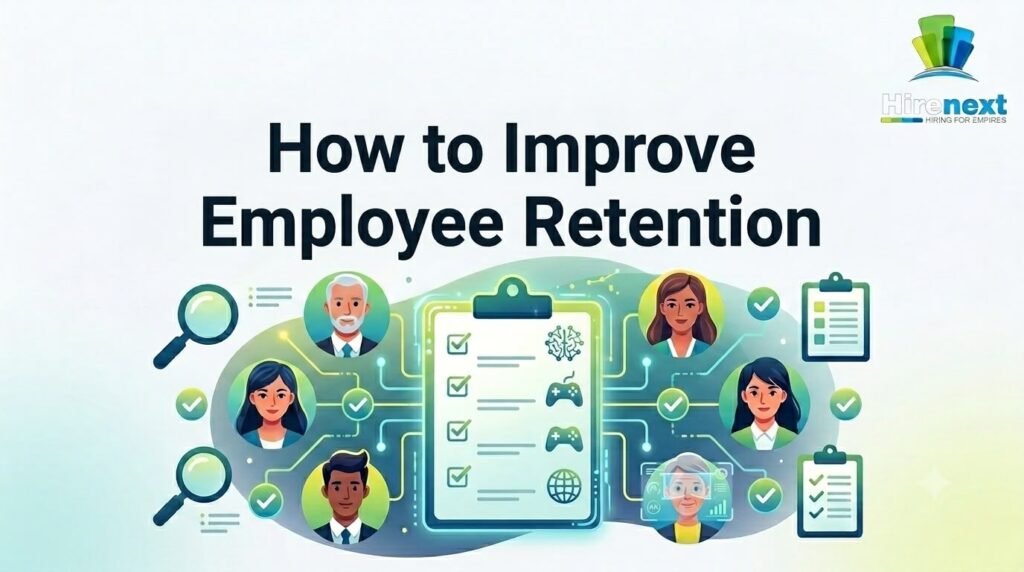
Reducing early turnover requires consistent effort.
Businesses can improve retention through several practical strategies.
Create a Structured Onboarding Program
Successful onboarding should include:
- Company orientation
- Training sessions
- Team introductions
- Regular manager check-ins
- Clear performance goals
Employees who receive strong onboarding adapt more quickly.
Set Clear Expectations
Employees perform better when they understand:
- Their responsibilities
- Performance standards
- Career opportunities
- Company objectives
Clarity reduces uncertainty and increases confidence.
Invest in Managers
Managers directly influence employee satisfaction.
Organizations should train leaders to:
- Communicate effectively
- Provide constructive feedback
- Coach employees
- Resolve conflicts
- Recognize achievements
Better leadership reduces the employee turnover cost over time.
Offer Career Development
Professional growth encourages employees to remain with the organization.
Development opportunities include:
- Online courses
- Certifications
- Mentoring
- Cross-functional projects
- Internal promotions
Career development addresses one of the primary reasons why good employees don’t stay long.
Conduct Stay Interviews
Many companies conduct exit interviews after employees resign.
Instead, businesses should also conduct stay interviews.
These conversations help managers understand:
- Employee concerns
- Career goals
- Workplace satisfaction
- Improvement opportunities
Addressing issues early often prevents resignations.
Best Hiring Practices
Strong hiring processes reduce early turnover before it begins.
Best practices include:
Hire for Long-Term Potential
Look beyond resumes and evaluate:
- Adaptability
- Problem-solving
- Learning ability
- Communication
- Attitude
Be Honest During Recruitment
Clearly explain:
- Daily responsibilities
- Challenges
- Company expectations
- Growth opportunities
Honesty builds trust from the beginning.
Improve Candidate Experience
Professional communication during recruitment creates positive first impressions.
Quick responses, organized interviews, and transparent processes improve employer reputation.
Long-Term Benefits of Employee Retention
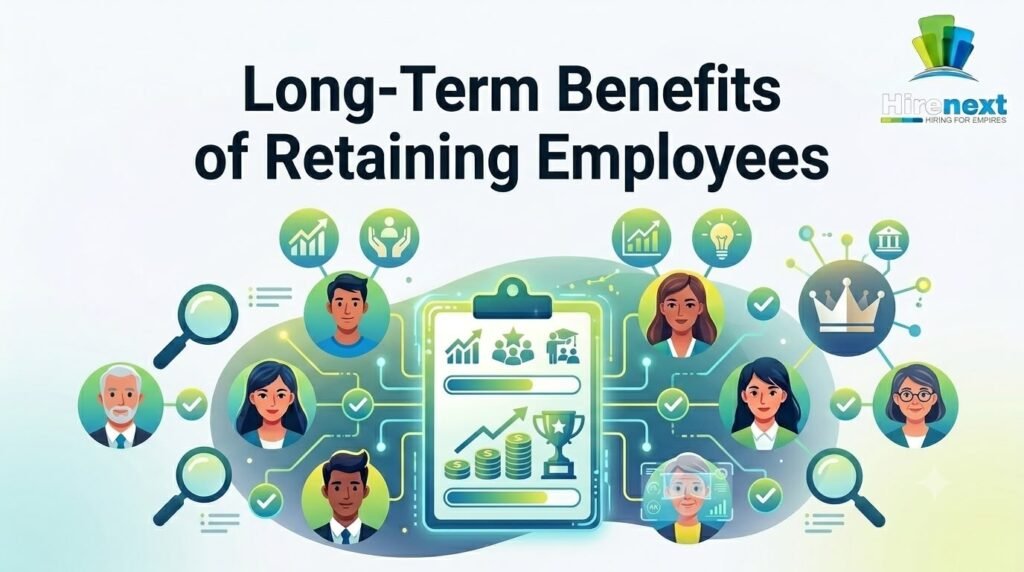
Reducing the employee turnover cost provides significant long-term advantages.
Businesses experience:
Higher Employee Productivity
Experienced employees perform tasks more efficiently and require less supervision.
Higher productivity improves profitability.
Better Customer Relationships
Long-term employees build stronger customer trust.
Satisfied customers often become repeat customers.
Lower Recruitment Costs
Fewer resignations reduce spending on:
- Recruitment
- Training
- Onboarding
- Temporary staffing
Stronger Workplace Culture
Stable teams collaborate more effectively and support each other’s success.
Positive workplace culture encourages additional retention.
Sustainable Business Growth
Organizations with lower turnover spend more time:
- Serving customers
- Expanding operations
- Innovating products
- Increasing revenue
instead of constantly replacing employees.
Why Employee Retention Is a Business Strategy
Many organizations view retention as an HR responsibility.
In reality, retention is a business strategy.
Every employee who remains with the company contributes to:
- Better operational efficiency
- Greater customer satisfaction
- Higher profitability
- Stronger employer branding
- Long-term business success
Reducing the employee turnover cost creates measurable financial benefits while strengthening organizational performance.
Conclusion
Losing talented employees within their first three months is rarely caused by salary alone.
More often, employees leave because of poor onboarding, weak leadership, unclear expectations, limited growth opportunities, and unhealthy workplace culture.
These early resignations dramatically increase the employee turnover cost, reduce productivity, and force businesses into an expensive cycle of continuous recruitment.
Organizations that understand why good employees don’t stay long can make meaningful improvements through better hiring practices, structured onboarding, supportive leadership, career development, and a positive workplace culture.
Ultimately, retaining talented employees isn’t just about reducing costs—it’s about creating an environment where people feel supported, motivated, and excited to build a long-term career. Businesses that invest in employee experience from day one are far more likely to retain top talent, reduce the employee turnover cost, and achieve sustainable growth.