
How Delayed Hiring Impacts Sales and Revenue
Introduction
Hiring the right people at the right time is one of the most important decisions a business can make. Yet many organizations delay recruitment because of budget concerns, lengthy approval processes, uncertainty about future growth, or difficulty finding the right candidate. While these delays may seem harmless, they often create serious operational and financial problems.
The delayed hiring impact on business goes far beyond having an unfilled position. Every vacant role places additional pressure on existing employees, slows productivity, affects customer service, and ultimately reduces sales and revenue.
As businesses grow, timely recruitment becomes even more important. Whether it’s a sales executive, customer support representative, marketing specialist, or operations manager, every role contributes to the company’s ability to generate revenue and support business expansion.
Understanding why delayed hiring hurts revenue helps organizations recognize the hidden costs of waiting too long to recruit.
Table of Contents
- What Is Delayed Hiring?
- Understanding the Delayed Hiring Impact on Business
- Why Companies Delay Hiring
- Increased Workload for Existing Employees
- Why Delayed Hiring Hurts Revenue
- Missed Sales Opportunities
- Customer Experience Suffers
- Employee Productivity Declines
- Impact on Business Expansion
- Hidden Financial Costs
- Modern Hiring Solutions
- Best Practices for Faster Recruitment
- Long-Term Business Benefits
- Conclusion
What Is Delayed Hiring?
Delayed hiring occurs when businesses postpone recruiting for open positions even though there is a clear need for additional employees.
Common examples include:
- Leaving vacant roles unfilled
- Waiting months before approving recruitment
- Conducting lengthy hiring processes
- Delaying interview decisions
- Taking too long to finalize offers
While companies may believe delayed hiring saves money, it often creates larger financial losses over time.
Understanding the Delayed Hiring Impact on Business
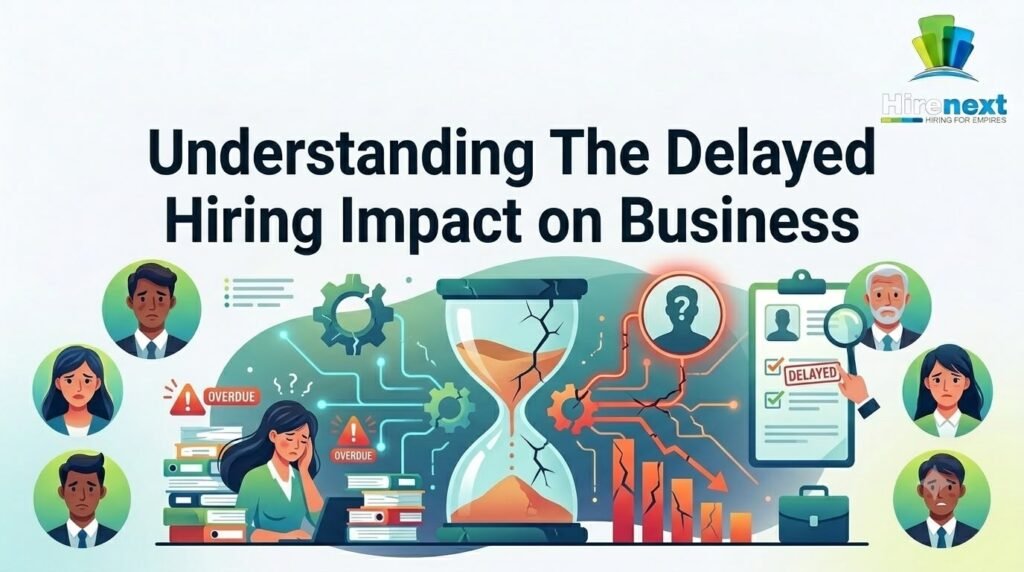
The delayed hiring impact on business affects nearly every department.
When positions remain vacant:
- Projects move more slowly.
- Customer inquiries take longer to resolve.
- Sales teams become overwhelmed.
- Existing employees experience burnout.
- Revenue opportunities are missed.
Instead of reducing expenses, delayed hiring often increases operational costs while limiting business growth.
Why Companies Delay Hiring
Businesses delay recruitment for several reasons.
Budget Concerns
Some organizations postpone hiring because they want to reduce payroll expenses.
However, leaving important roles vacant often costs more than hiring qualified employees.
Difficulty Finding the Right Candidate
Many employers wait for the “perfect” candidate.
Although hiring quality is important, waiting too long may result in lost opportunities delayed hiring impact on business.
Lengthy Approval Processes
Some companies require multiple management approvals before recruitment begins.
These delays slow hiring significantly.
Uncertain Business Conditions
Economic uncertainty sometimes causes businesses to postpone hiring.
Unfortunately, delaying recruitment during growth periods often reduces future revenue potential.
Increased Workload for Existing Employees
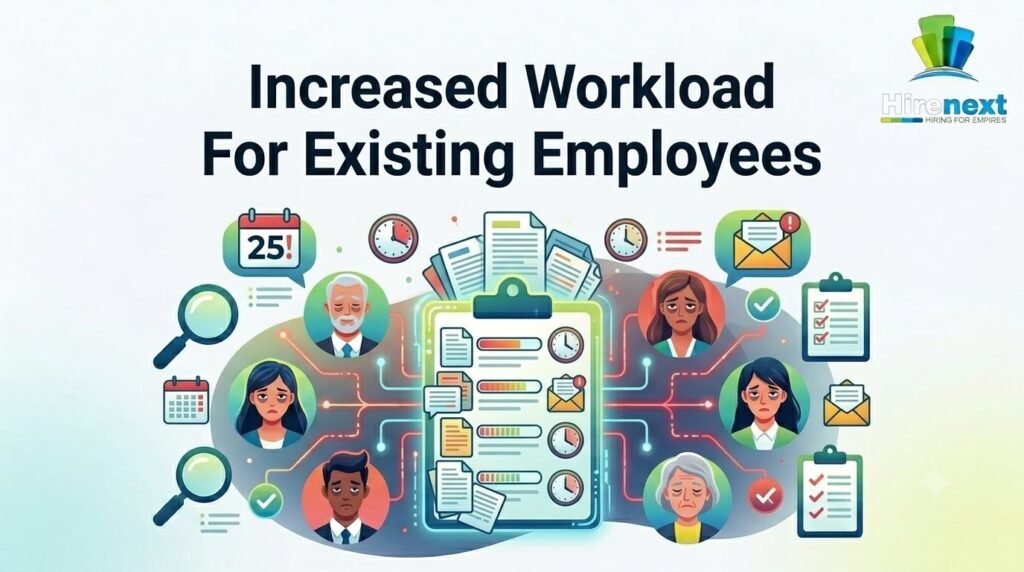
One immediate result of the delayed hiring impact on business is increased workload for current employees.
Existing team members often need to:
- Handle additional responsibilities
- Work overtime
- Cover vacant positions
- Meet the same deadlines with fewer resources
Over time, this creates:
- Employee stress
- Burnout
- Reduced morale
- Higher turnover
Instead of saving money, delayed hiring increases hidden operational costs.
Why Delayed Hiring Hurts Revenue
One reason why delayed hiring hurts revenue is because businesses cannot operate at full capacity.
Examples include:
Fewer Sales Calls
If sales positions remain vacant, fewer prospects are contacted.
Fewer conversations lead directly to fewer sales delayed hiring impact on business.
Slower Customer Response
Delayed responses reduce customer satisfaction.
Some customers choose competitors who respond more quickly.
Missed Deadlines
Projects may be delayed because there aren’t enough employees to complete the work.
This affects customer trust and future business opportunities.
Lower Productivity
Employees managing excessive workloads often become less productive.
Quality decreases while mistakes increase.
These factors explain why delayed hiring hurts revenue even when businesses believe they’re reducing expenses.
Missed Sales Opportunities
Sales teams generate revenue.
When businesses delay hiring sales professionals, they often lose:
- New customers
- Follow-up opportunities
- Business partnerships
- Repeat sales
Competitors frequently capture these missed opportunities.
The delayed hiring impact on business becomes increasingly visible as revenue growth slows.
Customer Experience Suffers
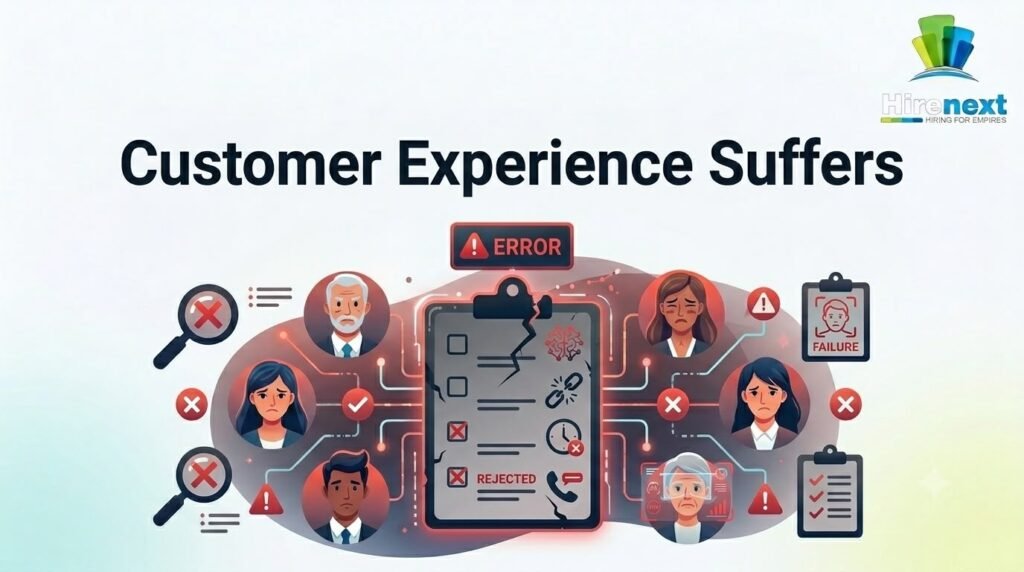
Customers expect:
- Quick responses
- Professional service
- Fast problem resolution
Staff shortages make meeting these expectations difficult.
Delayed hiring often causes:
- Longer response times
- Increased complaints
- Lower customer satisfaction
- Negative online reviews
Poor customer experiences directly affect future revenue.
Employee Productivity Declines
Employees perform best when workloads remain manageable.
When positions stay vacant, productivity decreases because employees spend time handling responsibilities outside their primary roles.
Instead of focusing on high-value work, employees become overwhelmed with urgent daily tasks.
This reduces efficiency across the organization delayed hiring impact on business.
Impact on Business Expansion
Every growing business eventually reaches a point where additional employees become necessary.
Without timely recruitment, business expansion becomes difficult.
Growth may slow because businesses cannot:
- Serve additional customers
- Launch new products
- Enter new markets
- Increase production
- Expand operations
Successful business expansion depends on building the right team before growth opportunities disappear.
Hidden Financial Costs of Delayed Hiring
Many business owners assume delaying recruitment saves money because they postpone salary expenses. However, the real financial impact is often much greater.
The delayed hiring impact on business creates several hidden costs, including:
- Lost sales opportunities
- Reduced employee productivity
- Overtime payments
- Customer dissatisfaction
- Increased employee turnover
- Delayed project completion
When combined, these costs often exceed the salary of the employee who should have been hired earlier.
Recruitment Bottlenecks
Many organizations unintentionally slow recruitment through inefficient hiring processes.
Common bottlenecks include:
Too Many Approval Levels
Waiting for multiple managers to approve every hiring decision increases recruitment time.
Slow Interview Scheduling
Delays between interview rounds often cause qualified candidates to accept offers elsewhere.
Delayed Offer Letters
Top candidates rarely wait for weeks.
Businesses that delay offers frequently lose their best applicants.
These bottlenecks increase the delayed hiring impact on business by extending vacancy periods.
Employee Burnout Leads to More Hiring Problems
Vacant positions increase pressure on existing employees.
Over time, employees may experience:
- Physical exhaustion
- Reduced motivation
- Job dissatisfaction
- Stress
- Burnout
Burnout often leads to resignations, creating even more vacancies.
This starts a cycle where delayed hiring causes additional hiring needs delayed hiring impact on business.
Business Expansion Becomes Difficult
Growth requires people.
Without enough employees, businesses struggle with business expansion.
Examples include:
- Delayed branch openings
- Limited production capacity
- Reduced customer support
- Slower project execution
- Missed market opportunities
Companies that invest in timely hiring are better prepared for sustainable business expansion.
Technology Can Speed Up Recruitment

Modern recruitment technology helps reduce hiring delays.
Useful tools include:
Applicant Tracking Systems (ATS)
ATS software organizes applications, tracks candidates, and automates communication.
Resume Screening Tools
Automation quickly identifies qualified candidates.
Recruiters spend less time reviewing unsuitable applications.
Online Interview Platforms
Virtual interviews reduce scheduling challenges and accelerate hiring.
Skill Assessment Software
Practical assessments improve hiring quality while reducing interview time.
Technology significantly reduces the delayed hiring impact on business.
How to Avoid Delayed Hiring
Businesses can reduce recruitment delays through better planning.
Build a Talent Pipeline
Instead of recruiting only after vacancies appear, maintain relationships with potential candidates.
This shortens future hiring cycles.
Forecast Hiring Needs
Businesses should anticipate future growth and recruit before workloads become overwhelming.
Hiring proactively supports business expansion.
Standardize Recruitment
Clear recruitment processes reduce unnecessary delays.
Businesses should create:
- Standard interview questions
- Candidate evaluation criteria
- Recruitment timelines
Improve Employer Branding
A strong employer brand attracts more qualified applicants.
This reduces recruitment time while improving candidate quality.
Make Faster Decisions
Qualified candidates often receive multiple job offers.
Businesses should avoid unnecessary delays after interviews.
Faster decisions reduce the delayed hiring impact on business.
Best Hiring Practices
Successful businesses treat recruitment as an ongoing process.
Some best practices include:
Write Clear Job Descriptions
Candidates should understand:
- Responsibilities
- Required skills
- Career opportunities
- Company expectations
Hire for Long-Term Potential
Technical skills matter, but learning ability and attitude often predict long-term success.
Communicate With Candidates
Professional communication improves candidate experience and strengthens employer reputation.
Invest in Onboarding
Successful onboarding helps new employees become productive more quickly.
This maximizes recruitment investments.
Long-Term Benefits of Timely Hiring
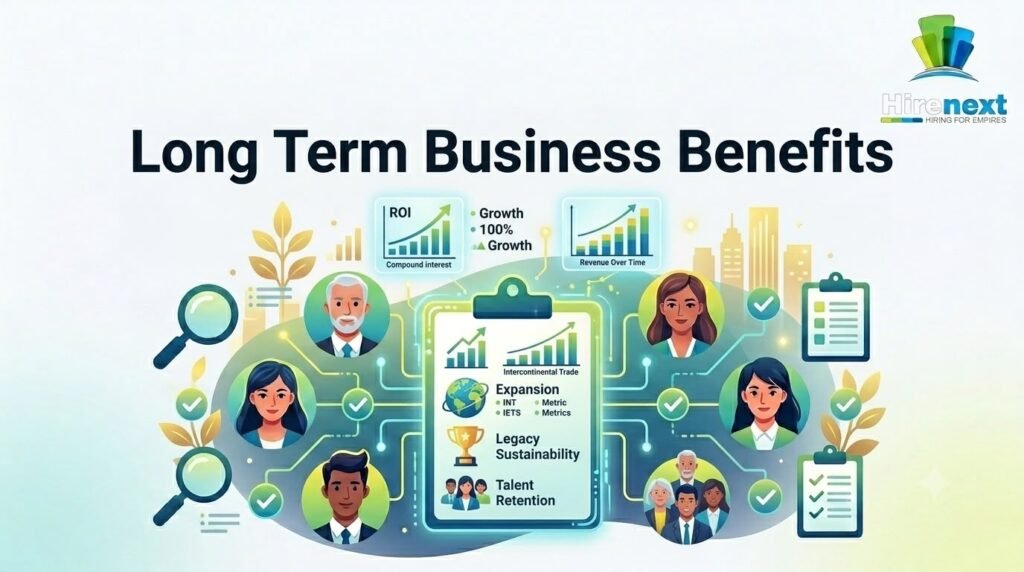
Businesses that recruit promptly experience several long-term advantages.
Higher Sales
Sales teams generate more revenue when positions remain fully staffed.
Better Customer Satisfaction
Customers receive faster service and better support.
Satisfied customers are more likely to return.
Improved Employee Productivity
Balanced workloads allow employees to perform at their highest level.
Lower Employee Turnover
Employees experience less burnout and greater job satisfaction.
Faster Business Expansion
Businesses can confidently enter new markets, launch products, and serve additional customers.
Successful business expansion depends on having the right people in place.
Why Recruitment Should Be Viewed as an Investment
Many businesses consider recruitment an expense.
In reality, hiring is one of the most valuable investments a company can make.
Every qualified employee contributes to:
- Increased productivity
- Higher revenue
- Better customer experiences
- Stronger teamwork
- Sustainable growth
Reducing the delayed hiring impact on business creates long-term financial returns.
Conclusion
The delayed hiring impact on business extends far beyond vacant positions.
Delaying recruitment affects sales, customer satisfaction, employee productivity, workplace morale, and long-term profitability. It also limits business expansion, making it difficult for organizations to capitalize on new opportunities.
Understanding why delayed hiring hurts revenue allows business leaders to make smarter recruitment decisions. By forecasting hiring needs, streamlining recruitment processes, investing in technology, and making faster hiring decisions, businesses can reduce costly delays and build stronger teams.
Ultimately, hiring at the right time isn’t simply about filling vacancies—it’s about protecting revenue, supporting business expansion, improving customer experience, and creating a foundation for sustainable growth. Companies that prioritize timely recruitment position themselves for long-term success in an increasingly competitive marketplace.