
Hiring Problems Most SMEs Face But Never Talk About
Introduction
Small and medium-sized enterprises (SMEs) are responsible for creating millions of jobs and driving economic growth. However, behind every successful SME lies one challenge that often goes unnoticed—hiring the right people.
Many business owners openly discuss marketing, sales, and finance, but few talk about the hiring problems most SMEs face. Recruitment is often treated as a secondary task rather than a strategic business function. As a result, businesses struggle to attract qualified candidates, make rushed hiring decisions, and experience high employee turnover.
Unlike large corporations, SMEs usually operate with smaller budgets, limited HR resources, and less brand recognition. These factors create unique recruitment challenges for small businesses, making it harder to compete for skilled professionals.
At the same time, rising hiring costs mean that every hiring mistake becomes increasingly expensive. A single poor recruitment decision can reduce productivity, increase turnover, and delay business growth.
The good news is that most hiring problems are preventable. With better planning, structured recruitment processes, and smarter hiring strategies, SMEs can attract stronger candidates and build high-performing teams.
Table of Contents
- Why Hiring Is Critical for SMEs
- Understanding the Hiring Problems Most SMEs Face
- Limited Recruitment Budgets
- Rising Hiring Costs
- Difficulty Finding Skilled Candidates
- Weak Employer Branding
- Time Constraints for Business Owners
- Lack of Structured Recruitment
- Recruitment Challenges for Small Businesses
- Poor Candidate Experience
- High Employee Turnover
- Weak Onboarding
- Common Hiring Mistakes
- Modern Recruitment Strategies
- Reducing Hiring Costs
- Best Hiring Practices
- Long-Term Benefits of Better Hiring
- Conclusion
Why Hiring Is Critical for SMEs
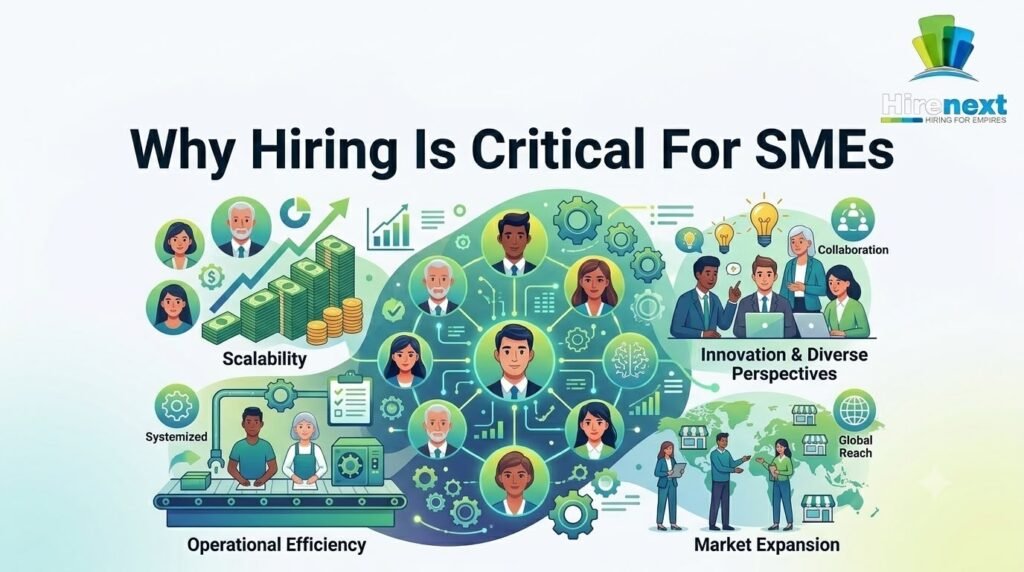
Employees directly influence business performance.
The right team helps businesses:
- Increase productivity
- Improve customer service
- Support innovation
- Drive revenue growth
- Build stronger workplace culture
Unfortunately, the hiring problems most SMEs face often prevent businesses from building these strong teams.
Hiring should never be viewed as simply filling vacancies.
It is an investment in long-term business success.
Understanding the Hiring Problems Most SMEs Face
Every growing business eventually encounters recruitment difficulties.
Some of the most common hiring problems most SMEs face include:
- Limited recruitment budgets
- Increasing hiring costs
- Difficulty attracting qualified candidates
- High employee turnover
- Weak employer branding
- Poor onboarding
- Limited hiring expertise
Ignoring these issues often results in repeated recruitment failures.
Limited Recruitment Budgets
One of the biggest hiring problems most SMEs face is operating with limited hiring budgets.
Unlike large corporations, SMEs often cannot afford:
- Premium job portals
- Large recruitment campaigns
- Executive search firms
- Dedicated HR departments
Business owners frequently manage recruitment themselves while balancing multiple responsibilities.
Limited budgets often encourage businesses to rush hiring decisions or compromise on candidate quality hiring problems most SMEs face.
Rising Hiring Costs
Recruitment has become increasingly expensive.
Modern hiring costs include:
- Job advertisements
- Recruitment software
- Background verification
- Interview coordination
- Training
- Onboarding
- Lost productivity during vacancies
Many SMEs underestimate total hiring costs, focusing only on recruitment expenses while ignoring hidden operational costs.
Reducing unnecessary hiring costs requires better planning and stronger recruitment processes hiring problems most SMEs face.
Difficulty Finding Skilled Candidates
Finding qualified professionals has become one of today’s largest recruitment challenges for small businesses.
Candidates with strong skills often receive multiple offers.
Large organizations usually compete through:
- Higher salaries
- Better benefits
- Strong employer brands
- Career development opportunities
SMEs must compete using different advantages such as:
- Faster promotions
- Greater responsibility
- Flexible work environments
- Closer leadership relationships
Businesses that effectively communicate these strengths often attract better candidates.
Weak Employer Branding
Employer branding significantly influences recruitment success.
Today’s candidates research companies before applying.
They often review:
- Company websites
- LinkedIn pages
- Employee reviews
- Social media activity
Businesses with little online presence frequently struggle to attract quality applicants.
Improving employer branding helps overcome many hiring problems most SMEs face.
Time Constraints for Business Owners
Most SME owners wear multiple hats.
They simultaneously manage:
- Sales
- Marketing
- Customer service
- Operations
- Finance
- Business development
Recruitment becomes another responsibility added to an already full schedule.
This often results in:
- Delayed hiring
- Poor candidate communication
- Rushed interviews
- Limited evaluation
Time pressure remains one of the biggest recruitment challenges for small businesses.
Lack of Structured Recruitment
Many SMEs recruit only when vacancies appear.
Without structured recruitment processes, hiring becomes reactive.
Common problems include:
- Unclear job descriptions
- Inconsistent interviews
- No standardized evaluations
- Weak candidate screening
Businesses that standardize recruitment often make stronger hiring decisions.
Recruitment Challenges for Small Businesses
Several ongoing recruitment challenges for small businesses continue to affect hiring quality.
These include:
Competition from Large Employers
Large companies often attract candidates through established reputations.
Smaller Candidate Pools
Some locations have limited access to experienced professionals
Changing Candidate Expectations
Modern candidates increasingly value:
- Flexibility
- Career growth
- Learning opportunities
- Company culture
SMEs must adapt to these changing expectations hiring problems most SMEs face.
Poor Candidate Experience
Candidate experience influences employer reputation.
Negative experiences include:
- Slow responses
- Confusing communication
- Delayed interviews
- No feedback
Professional communication improves hiring outcomes.
Even rejected candidates may recommend businesses with positive recruitment experiences.
High Employee Turnover
Retention becomes another major challenge after hiring.
High turnover increases:
- Recruitment frequency
- Training costs
- Operational disruptions
- Overall hiring costs
Businesses that improve retention reduce long-term recruitment expenses.
Weak Onboarding
Hiring doesn’t end when candidates accept offers.
Many SMEs lose talented employees because onboarding receives little attention.
Poor onboarding often includes:
- Limited training
- Unclear expectations
- Little manager support
- Weak team integration
Effective onboarding improves employee confidence while reducing early resignations hiring problems most SMEs face.
Common Hiring Mistakes SMEs Should Avoid
Many recruitment problems don’t happen because there aren’t enough candidates—they happen because businesses follow ineffective hiring practices.
Avoiding these mistakes can significantly improve recruitment quality and reduce overall hiring costs.
Hiring Too Quickly
When a position becomes vacant, many SMEs rush to fill it as quickly as possible.
Although this may solve a short-term staffing issue, rushed recruitment often results in poor hiring decisions.
Businesses should focus on hiring the right candidate rather than the fastest available candidate.
Focusing Only on Technical Skills
Technical skills are important, but they are only one part of successful hiring.
Employers should also evaluate:
- Communication skills
- Problem-solving ability
- Adaptability
- Teamwork
- Attitude
- Cultural fit
Employees with strong learning ability often outperform technically skilled candidates who struggle to work within the organization.
Ignoring Cultural Fit
One of the biggest hiring problems most SMEs face is hiring candidates who don’t align with company values.
Poor cultural fit often leads to:
- Conflict within teams
- Lower employee satisfaction
- Reduced productivity
- Early resignations
Businesses should evaluate whether candidates fit both the role and the company culture.
Poor Interview Processes
Unstructured interviews frequently produce inconsistent hiring decisions.
Effective interviews should include:
- Standardized questions
- Skill-based discussions
- Practical assessments
- Behavioral questions
Consistent interview processes improve hiring quality hiring problems most SMEs face.
Modern Recruitment Strategies
Recruitment has changed significantly in recent years.
Businesses that continue using outdated hiring methods often struggle to compete.
Modern recruitment strategies include:
Building Talent Pipelines
Instead of recruiting only when vacancies appear, businesses should continuously build relationships with potential candidates.
Talent pipelines reduce hiring delays.
Employee Referral Programs
Current employees often recommend high-quality candidates.
Referral hiring usually results in:
- Better cultural fit
- Faster hiring
- Lower hiring costs
- Higher retention
Campus Hiring
Partnering with colleges and universities provides access to motivated graduates.
Although these candidates require training, they often have strong long-term potential.
Internship Programs
Internships allow businesses to evaluate employees before offering permanent positions.
This reduces hiring risks while creating future talent pipelines.
Using Technology to Improve Recruitment
Technology helps SMEs compete with larger organizations despite limited resources.
Useful recruitment technologies include:
Applicant Tracking Systems (ATS)
ATS software helps businesses:
- Organize applications
- Track candidates
- Automate communication
- Improve hiring efficiency hiring problems most SMEs face.
Resume Screening Software
Automation reduces the time required to review large numbers of applications.
Recruiters can quickly identify qualified candidates.
Video Interviews
Virtual interviews save time and reduce scheduling challenges.
They also allow businesses to interview candidates from different locations.
Skill Assessment Platforms
Practical assessments evaluate real abilities rather than relying solely on resumes.
Businesses make more informed hiring decisions.
Reducing Hiring Costs
Every SME wants to reduce unnecessary hiring costs while improving recruitment quality.
Some practical strategies include:
Improve Employee Retention
Replacing employees is expensive.
Retaining existing employees reduces future recruitment expenses hiring problems most SMEs face.
Create Better Job Descriptions
Detailed job descriptions attract more suitable candidates.
Qualified applicants reduce interview time and improve hiring efficiency.
Invest in Employer Branding
A stronger employer brand attracts more applicants organically.
Businesses spend less on advertising vacancies.
Standardize Recruitment
Consistent hiring processes reduce poor recruitment decisions and repeated hiring.
This significantly lowers long-term hiring costs.
Improving Recruitment Challenges for Small Businesses
Addressing recruitment challenges for small businesses requires continuous improvement.
Businesses should:
- Evaluate hiring performance regularly.
- Gather candidate feedback.
- Improve onboarding.
- Invest in leadership training.
- Update recruitment strategies.
Recruitment should evolve as businesses grow.
Best Hiring Practices for SMEs
Successful SMEs often follow several consistent hiring practices.
Define the Position Clearly
Every recruitment process should begin with a detailed understanding of:
- Responsibilities
- Skills
- Performance expectations
- Career opportunities
Prioritize Quality Over Speed
Rushed hiring often creates expensive long-term problems.
Taking additional time usually improves hiring success.
Train Hiring Managers
Managers should understand:
- Interview techniques
- Candidate evaluation
- Bias awareness
- Effective communication
Better hiring managers produce better hiring decisions.
Provide Excellent Onboarding
Successful onboarding includes:
- Structured training
- Team introductions
- Clear expectations
- Regular feedback
Strong onboarding improves retention and employee confidence.
Build Long-Term Relationships
Businesses shouldn’t communicate with candidates only when hiring.
Maintaining professional networks makes future recruitment easier.
Long-Term Benefits of Better Hiring
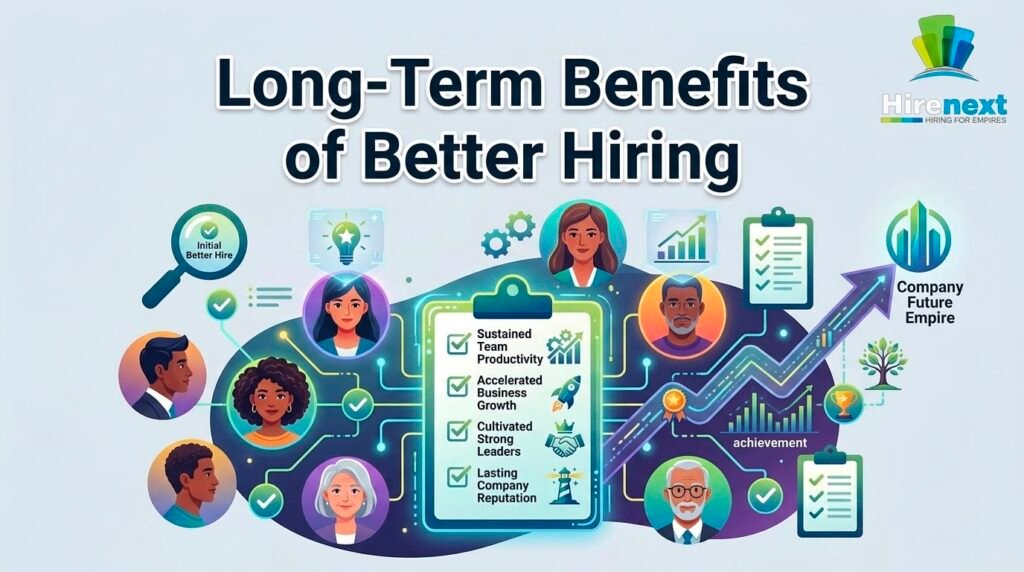
Businesses that overcome the hiring problems most SMEs face experience significant long-term advantages.
Higher Productivity
Employees who fit their roles perform more efficiently.
Lower Hiring Costs
Better recruitment reduces repeated hiring and training expenses.
Better Employee Retention
Satisfied employees remain longer, reducing recruitment frequency.
Stronger Employer Reputation
Positive recruitment experiences improve employer branding.
Satisfied employees often recommend the company to others.
Sustainable Business Growth
Stable teams allow business owners to focus on:
- Innovation
- Customer service
- Expansion
- Revenue generation
instead of continuous recruitment.
Why Recruitment Should Be a Business Strategy
Many SMEs treat hiring as an operational task.
In reality, recruitment directly affects:
- Profitability
- Customer satisfaction
- Employee productivity
- Business growth
- Company reputation
Businesses that invest in recruitment gain long-term competitive advantages.
Conclusion
The hiring problems most SMEs face are rarely discussed openly, yet they influence nearly every aspect of business performance.
Limited budgets, increasing hiring costs, weak employer branding, poor recruitment planning, and ongoing recruitment challenges for small businesses often prevent companies from building high-performing teams.
Fortunately, these challenges can be addressed through structured hiring processes, stronger employer branding, better onboarding, modern recruitment technology, and continuous improvement.
Businesses that understand the hiring problems most SMEs face and invest in smarter recruitment strategies don’t just fill vacancies—they build teams capable of supporting long-term growth, innovation, and sustainable success.
Ultimately, hiring is not simply about finding employees. It’s about finding people who will help the business grow for years to come.