
Why Recruitment Is More Than Just “Forwarding Resumes”
Introduction
Many people believe that recruitment agencies simply collect resumes and send them to employers. While forwarding resumes is one small part of the process, it represents only a fraction of the work involved in professional recruitment.
Behind every successful hire lies a structured process involving client consultations, talent sourcing, resume screening, candidate evaluation, interview coordination, salary negotiation, and onboarding support. Professional recruiters invest significant time and expertise to ensure the right candidate is matched with the right opportunity.
Modern recruitment agency services have evolved far beyond traditional hiring. Today, agencies provide strategic hiring support, workforce planning, talent acquisition consulting, and long-term recruitment partnerships that help businesses grow efficiently.
Understanding what recruitment agencies really do helps employers appreciate the value recruiters bring while helping job seekers understand how professional recruitment improves their career opportunities.
This guide explores why recruitment agency services are far more comprehensive than simply forwarding resumes and explains the complete recruitment journey that takes place behind the scenes.
Table of Contents
Introduction
The Common Misconception About Recruitment Agencies
Why Recruitment Is More Than Forwarding Resumes
Understanding Recruitment Agency Services
What Recruitment Agencies Really Do
Understanding Client Requirements
Candidate Sourcing
Resume Screening
Candidate Evaluation
Why Professional Screening Saves Time
Interview Coordination
Employer and Candidate Communication
Salary Negotiation
Onboarding Support
Benefits of Recruitment Agency Services
Common Recruitment Challenges
Technology Has Changed Recruitment
Why Recruitment Requires Human Expertise
The Future of Recruitment Agencies
Conclusion
The Common Misconception About Recruitment Agencies
One of the biggest misconceptions about recruitment is that agencies simply collect resumes from job portals and send them to companies.
In reality, forwarding resumes is only one step in a much larger recruitment process.
Professional recruitment agency services involve careful planning, candidate assessment, communication, and hiring support from beginning to end.
Why Recruitment Is More Than Forwarding Resumes
Hiring affects every aspect of a business.
Poor hiring decisions can lead to:
- Lower productivity
- Higher employee turnover
- Increased recruitment costs
- Reduced customer satisfaction
This is why recruitment agencies focus on quality rather than simply sharing resumes.
Understanding what recruitment agencies really do reveals the expertise required to identify suitable candidates while reducing hiring risks.
Understanding Recruitment Agency Services
Modern recruitment agency services support organizations throughout the hiring process.
Typical services include:
- Talent sourcing
- Candidate screening
- Interview coordination
- Salary benchmarking
- Recruitment consulting
- Workforce planning
- Employer branding support
- Onboarding assistance
Each service contributes to successful hiring outcomes.
What Recruitment Agencies Really Do
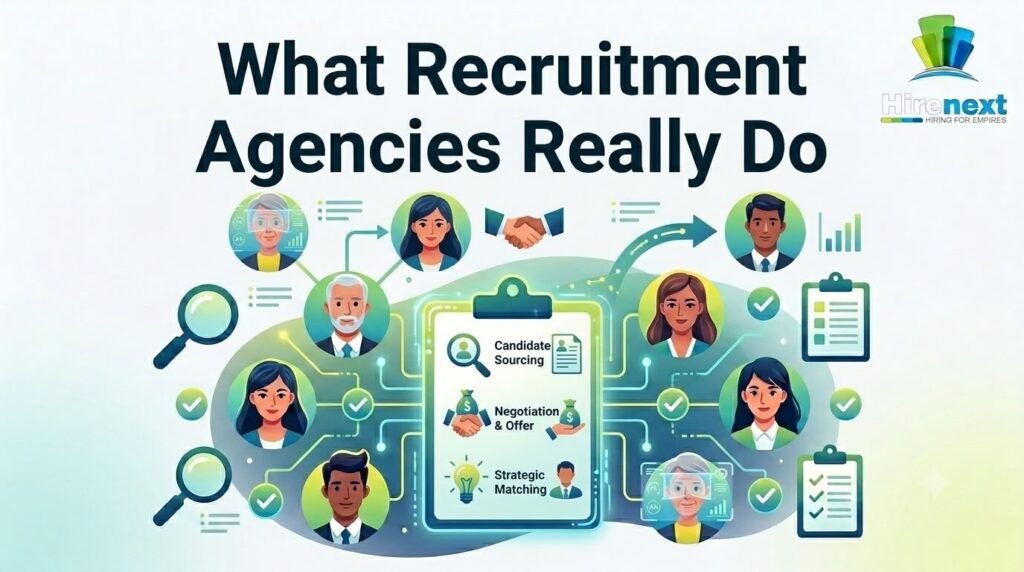
Many employers ask what recruitment agencies really do beyond candidate sourcing.
The answer involves several carefully managed recruitment stages designed to improve hiring quality.
Recruiters work continuously to:
- Understand hiring requirements
- Search for suitable candidates
- Evaluate candidate suitability
- Coordinate interviews
- Manage communication
- Assist during offer negotiation
Their objective is to reduce hiring time while improving recruitment quality.
Understanding Client Requirements
Every recruitment assignment begins with understanding employer expectations.
Recruiters discuss:
- Job responsibilities
- Required qualifications
- Technical skills
- Experience level
- Salary budget
- Company culture
- Hiring timeline
This information guides the entire recruitment strategy.
Without understanding employer expectations, successful hiring becomes difficult.
Candidate Sourcing
Once requirements are finalized, recruiters begin searching for candidates.
Common sourcing channels include:
- Job portals
- Internal databases
- Employee referrals
- Professional networking
- Social media
This proactive approach demonstrates why recruitment agency services are much more valuable than simply waiting for applications.
Resume Screening
One of the most important stages is resume screening.
Recruiters evaluate applications based on:
- Skills
- Experience
- Education
- Industry knowledge
- Certifications
- Career progression
Professional resume screening ensures employers receive only qualified candidates.
Instead of reviewing hundreds of resumes themselves, businesses receive carefully shortlisted profiles.
Candidate Evaluation
A strong resume alone cannot guarantee hiring success.
Recruiters conduct preliminary discussions to evaluate:
- Communication skills
- Career goals
- Technical knowledge
- Salary expectations
- Availability
- Motivation
These evaluations improve candidate quality before employer interviews begin.
This is another example of what recruitment agencies really do behind the scenes.
Why Professional Screening Saves Time
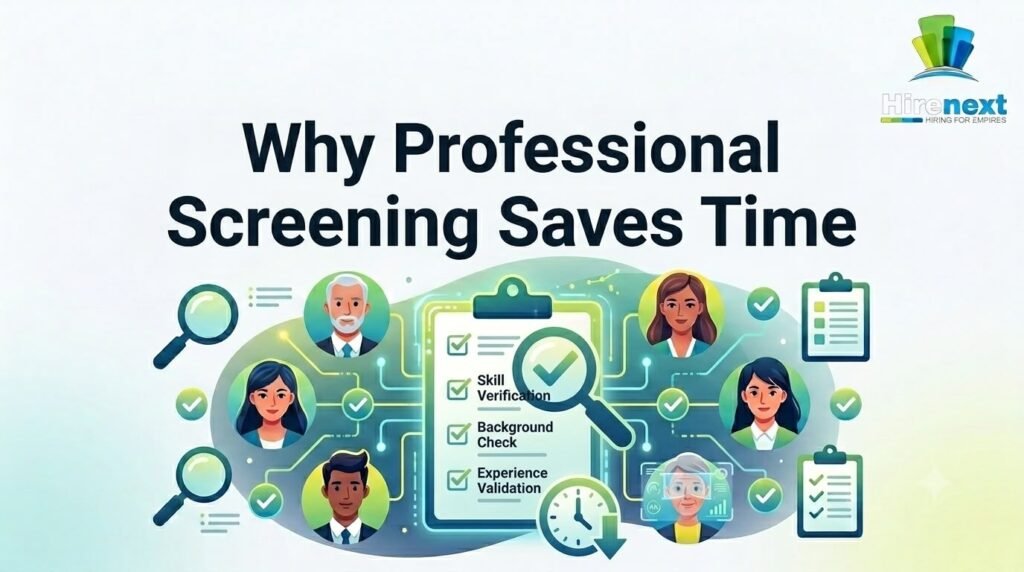
Professional recruiters eliminate unsuitable candidates early in the recruitment process.
This saves employers valuable time while improving hiring efficiency.
Quality resume screening significantly reduces unnecessary interviews and helps organizations make faster hiring decisions.
Interview Coordination
After suitable candidates have been shortlisted, recruiters begin coordinating interviews between employers and applicants. While this may appear straightforward, interview coordination requires careful planning and continuous communication.
Recruiters are responsible for:
- Scheduling interviews
- Confirming candidate availability
- Sharing interview details
- Coordinating hiring managers
- Managing reschedules
- Collecting interview feedback
This stage demonstrates why recruitment agency services involve much more than simply forwarding resumes.
Employer and Candidate Communication
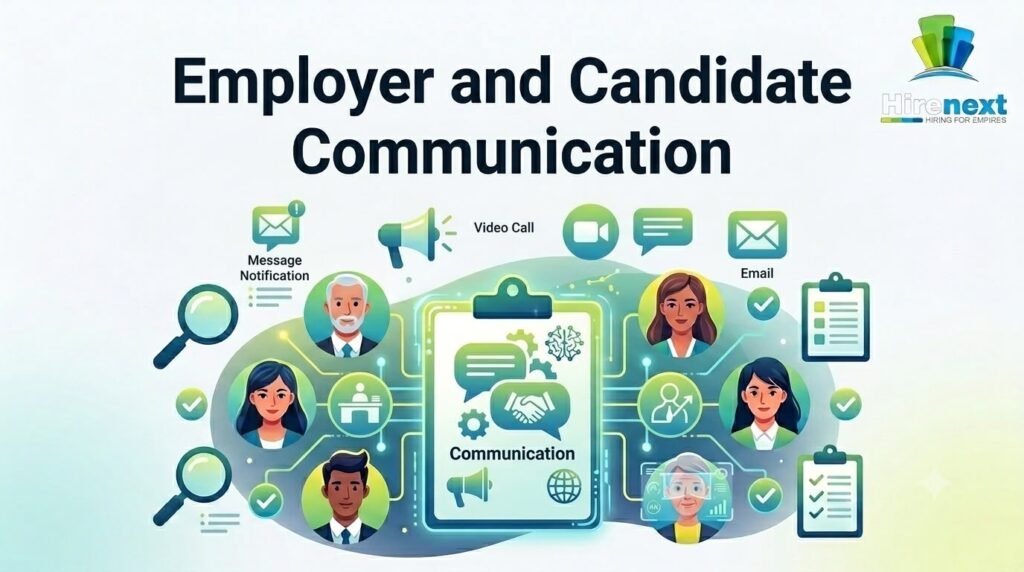
Recruitment professionals act as the communication bridge between companies and job seekers.
Their responsibilities include:
- Answering candidate questions
- Providing hiring updates
- Sharing employer feedback
- Clarifying expectations
- Managing interview timelines
- Handling delays professionally
Strong communication improves candidate experience while helping employers maintain a positive hiring reputation.
Understanding what recruitment agencies really do requires recognizing the importance of consistent communication throughout the recruitment journey.
Salary Negotiation
Offer management is one of the most sensitive stages of recruitment.
Recruiters help both employers and candidates reach mutually beneficial agreements by discussing:
- Salary expectations
- Benefits
- Joining bonuses
- Notice periods
- Start dates
Professional negotiation reduces offer rejections while increasing successful placements.
This service is an important part of modern recruitment agency services.
Onboarding Support
Recruitment does not end after a candidate accepts an offer.
Many agencies continue supporting employers during onboarding.
Typical onboarding assistance includes:
- Document collection
- Joining confirmation
- Candidate follow-up
- Employer communication
- Pre-joining engagement
Successful onboarding improves joining rates while reducing last-minute candidate dropouts.
Benefits of Recruitment Agency Services
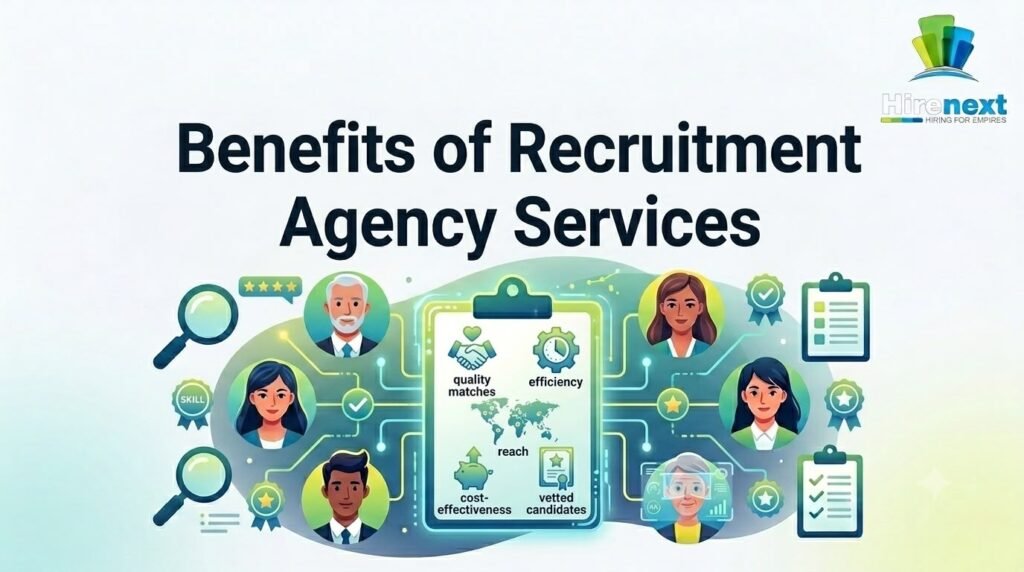
Professional recruitment agency services provide value to both employers and job seekers.
For Employers
Benefits include:
- Faster hiring
- Better candidate quality
- Reduced recruitment costs
- Access to passive talent
- Professional resume screening
- Improved hiring efficiency
These advantages help businesses focus on growth while reducing recruitment challenges.
For Job Seekers
Candidates also benefit through:
- Better career opportunities
- Resume guidance
- Interview preparation
- Faster recruitment
- Professional career advice
This explains what recruitment agencies really do beyond simply matching resumes with vacancies.
Common Recruitment Challenges
Recruitment agencies manage several ongoing challenges.
Large Applicant Volumes
Some vacancies receive hundreds of applications, making resume screening essential.
Candidate Dropouts
Applicants may accept competing offers before joining.
Changing Hiring Requirements
Employers sometimes modify expectations during recruitment.
Skill Shortages
Certain industries experience limited availability of qualified professionals.
Recruiters continuously adapt their sourcing strategies to overcome these challenges.
Technology Has Changed Recruitment
Technology has transformed modern recruitment.
Recruiters now use:
- Applicant Tracking Systems (ATS)
- AI-powered resume screening
- Video interviews
- Online assessments
- Recruitment CRM platforms
These tools improve efficiency while allowing recruiters to focus on relationship building and candidate evaluation.
Technology enhances—but does not replace—the expertise provided through recruitment agency services.
Why Recruitment Requires Human Expertise
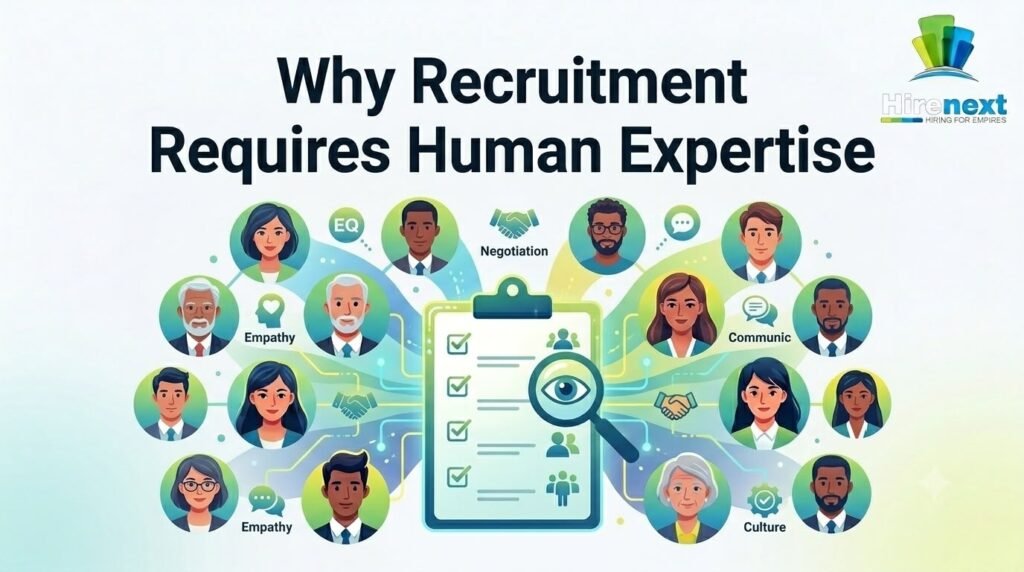
Although technology simplifies recruitment, hiring remains people-focused.
Recruiters provide:
- Candidate assessment
- Communication
- Negotiation
- Employer consultation
- Market knowledge
These human skills cannot be fully automated.
This is why understanding what recruitment agencies really do is important for businesses seeking quality hires.
The Future of Recruitment Agencies
Recruitment continues evolving rapidly.
Future trends include:
- Artificial Intelligence
- Skills-based hiring
- Predictive recruitment analytics
- Digital onboarding
- Employer branding
- Remote recruitment
Despite technological advancements, agencies will continue providing strategic recruitment agency services that help organizations attract and retain exceptional talent.
Conclusion
Recruitment is far more than simply forwarding resumes. Every successful placement requires planning, sourcing, resume screening, candidate evaluation, interview coordination, communication, negotiation, and onboarding support.
Professional recruitment agency services help businesses hire faster, improve candidate quality, and reduce recruitment risks while providing job seekers with valuable career opportunities and guidance.
Understanding what recruitment agencies really do highlights the expertise behind every successful hire. As hiring continues to evolve, recruitment agencies will remain trusted partners for organizations seeking efficient, high-quality talent acquisition solutions.