
Hiring Problems Most SMEs Face But Never Talk About
Introduction
Small and medium-sized enterprises (SMEs) are the backbone of many economies. They create jobs, drive innovation, and contribute significantly to economic growth. However, one challenge continues to slow their progress—hiring the right people.
Unlike large corporations, SMEs often have limited budgets, smaller HR teams, and fewer recruitment resources. Business owners frequently handle hiring themselves while also managing operations, sales, customer service, and business development. As a result, many recruitment problems remain hidden until they begin affecting productivity and growth.
These small business hiring challenges can lead to delayed projects, poor employee performance, high turnover, and increased recruitment costs. Unfortunately, many SMEs hesitate to discuss these issues openly because they assume they’re a normal part of running a business.
The reality is that many of these problems can be solved with better planning, improved recruitment strategies, and modern staffing solutions.
In this guide, we’ll explore the most common small business hiring challenges, identify the hiring mistakes SMEs should avoid, and discuss practical solutions that help businesses attract and retain talented employees.
Table of Contents
- Why Hiring Is Different for SMEs
- Understanding Small Business Hiring Challenges
- Limited Hiring Budgets
- Difficulty Attracting Top Talent
- Weak Employer Branding
- Business Owners Have Limited Time
- Lack of Structured Recruitment
- High Employee Turnover
- Hiring Mistakes SMEs Should Avoid
- Skills Shortages
- Poor Onboarding
- Weak Workplace Culture
- Modern Staffing Solutions
- Technology in Recruitment
- Best Hiring Practices
- Long-Term Benefits of Better Hiring
- Conclusion
Why Hiring Is Different for SMEs
Hiring for a small business is very different from hiring for a large corporation.
Large companies often have:
- Dedicated HR teams
- Recruitment specialists
- Employer branding campaigns
- Larger hiring budgets
- Established hiring processes
SMEs usually operate with limited resources.
Business owners often manage recruitment alongside multiple other responsibilities.
This makes small business hiring challenges more difficult to overcome.
Understanding Small Business Hiring Challenges
Every growing business eventually faces recruitment difficulties.
Some of the most common small business hiring challenges include:
- Limited recruitment budgets
- Difficulty attracting skilled candidates
- Lack of hiring expertise
- High employee turnover
- Poor onboarding
- Limited employer visibility
- Time constraints
Ignoring these issues often leads to repeated hiring mistakes and increased recruitment costs.
Limited Hiring Budgets
One of the biggest small business hiring challenges is limited financial resources.
Many SMEs cannot afford:
- Premium recruitment agencies
- Large advertising campaigns
- Expensive job portals
- Employer branding initiatives
As a result, businesses often receive fewer qualified applications.
Some companies attempt to reduce costs by hiring too quickly or accepting less-qualified candidates, which often creates larger problems later.
Difficulty Attracting Top Talent
Talented professionals frequently prefer established organizations because they offer:
- Higher salaries
- Better benefits
- Greater job security
- Strong employer brands
- More career opportunities
This creates another major small business hiring challenges.
SMEs must compete for talent without offering the same level of financial incentives.
However, many smaller businesses can compete by highlighting:
- Faster career growth
- Greater responsibility
- Flexible work environments
- Direct leadership exposure
- Learning opportunities
Weak Employer Branding
Many SMEs underestimate the importance of employer branding.
Candidates often research companies before applying.
If businesses have:
- Limited online presence
- Outdated websites
- Poor employee reviews
- Inactive social media
job seekers may hesitate to apply.
Strong employer branding helps businesses stand out despite limited recruitment budgets.
Improving employer branding is one of the most effective staffing solutions available to growing businesses.
Business Owners Have Limited Time
In many SMEs, recruitment becomes the responsibility of the founder or business owner.
Unfortunately, owners already manage:
- Sales
- Operations
- Customer service
- Finance
- Marketing
- Business strategy
Recruitment often becomes an additional responsibility rather than a dedicated function.
This leads to rushed hiring decisions.
Time pressure is one of the most common small business hiring challenges.
Lack of Structured Recruitment
Many SMEs hire only when an immediate vacancy appears.
Without a structured recruitment process, hiring becomes reactive rather than strategic.
Common problems include:
- Poor job descriptions
- Inconsistent interviews
- Unclear evaluation criteria
- Weak candidate communication
These issues often result in poor hiring decisions.
Developing structured recruitment processes helps businesses avoid many hiring mistakes SMEs should avoid.
High Employee Turnover
Employee retention is another challenge many SMEs experience.
Employees may leave because of:
- Better salaries elsewhere
- Limited career development
- Weak management
- Poor onboarding
- Unhealthy workplace culture
Frequent turnover increases recruitment costs and disrupts daily operations.
Reducing turnover should become a priority for businesses facing ongoing small business hiring challenges.
Hiring Mistakes SMEs Should Avoid
Many recruitment problems result from avoidable mistakes.
Some of the most common hiring mistakes SMEs should avoid include:
Hiring Too Quickly
Urgent hiring often leads to poor candidate selection.
Taking additional time to evaluate applicants usually produces better long-term results.
Prioritizing Cost Over Quality
Hiring the least expensive candidate may appear financially beneficial.
However, poor performance often becomes much more expensive over time small business hiring challenges.
Ignoring Cultural Fit
Technical skills are important.
However, employees also need to align with company values and team dynamics.
Ignoring cultural fit increases turnover small business hiring challenges.
Writing Poor Job Descriptions
Unclear job descriptions confuse applicants and attract unsuitable candidates.
Effective job postings should clearly explain:
- Responsibilities
- Required skills
- Expectations
- Growth opportunities
Skills Shortages
Finding qualified candidates has become increasingly difficult.
Many industries face shortages of skilled professionals.
SMEs often struggle because larger organizations attract experienced candidates first.
To address this issue, businesses should:
- Hire for potential
- Invest in employee training
- Develop internal talent
- Offer internships
These approaches help overcome one of today’s biggest small business hiring challenges.
Poor Onboarding
Recruitment doesn’t end after an employee accepts an offer.
Many SMEs lose talented employees because of ineffective onboarding.
Poor onboarding may include:
- Limited training
- Unclear expectations
- Lack of manager support
- Minimal team introductions
Strong onboarding increases employee confidence and improves retention.
Weak Workplace Culture
One of the biggest reasons recruitment efforts fail is an unhealthy workplace culture.
Many SMEs focus heavily on hiring but pay little attention to the environment employees experience after joining.
A poor workplace culture may include:
- Poor communication
- Lack of transparency
- Limited employee recognition
- Office politics
- Excessive workloads
- Unclear leadership
Even highly skilled employees may leave quickly if they don’t feel respected or supported.
On the other hand, businesses with a positive workplace culture often experience higher employee satisfaction, stronger teamwork, and lower turnover.
Improving culture is one of the most effective ways to overcome small business hiring challenges.
Communication Gaps During Recruitment
Candidates judge a business by its recruitment process.
Poor communication often includes:
- Delayed interview updates
- No response after applications
- Confusing job descriptions
- Last-minute interview changes
These experiences create a negative first impression.
Businesses that communicate professionally are more likely to attract and retain quality candidates small business hiring challenges.
Unrealistic Hiring Expectations
Many SMEs expect candidates to possess every possible skill while offering limited salaries or growth opportunities.
Examples include expecting one employee to handle:
- Marketing
- Sales
- Customer support
- Graphic design
- Social media
- Administration
This discourages experienced professionals from applying.
Setting realistic expectations improves recruitment success and reduces common small business hiring challenges.
Lack of Career Development
Employees today value learning and career progression.
One reason hiring mistakes SMEs should avoid include failing to discuss future growth opportunities.
Employees are more likely to remain with businesses that provide:
- Training programs
- Mentorship
- Skill development
- Promotion opportunities
- New responsibilities
Career development doesn’t always require large budgets—it often requires good planning.
Modern Staffing Solutions for SMEs
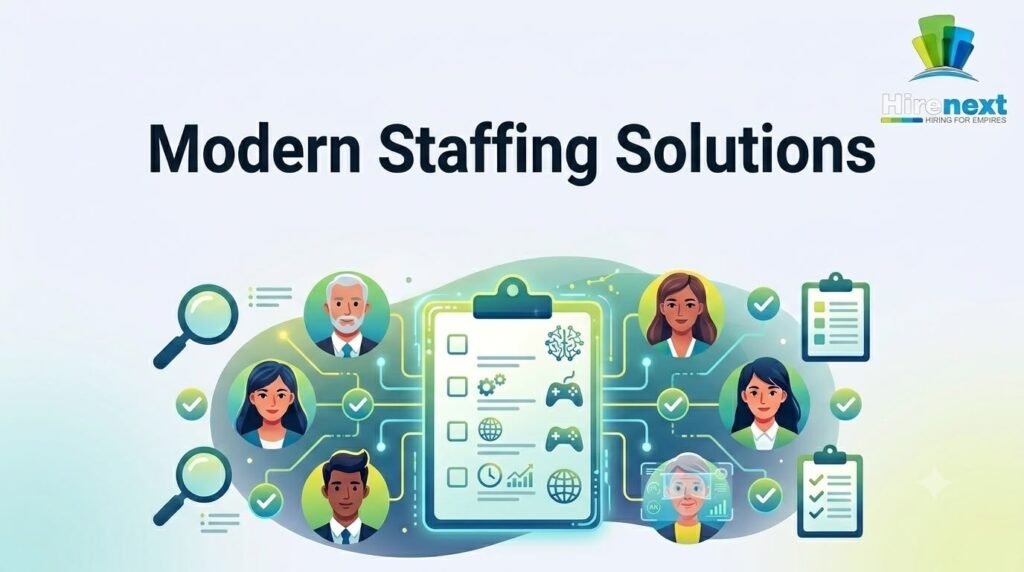
Fortunately, businesses now have access to many affordable staffing solutions that simplify recruitment.
Some effective staffing solutions include:
Recruitment Agencies
Specialized agencies help businesses identify qualified candidates faster.
They reduce recruitment time while improving hiring quality.
Freelance Hiring Platforms
For project-based work, freelancers can provide flexible staffing without long-term commitments.
Employee Referral Programs
Existing employees often know qualified professionals.
Referral programs usually produce better-quality candidates while reducing hiring costs.
Campus Recruitment
Partnering with colleges helps businesses hire fresh talent with strong learning potential.
Internship Programs
Internships allow businesses to evaluate future employees before making permanent hiring decisions.
Technology Is Changing Recruitment
Technology helps SMEs compete with larger organizations despite limited budgets.
Modern recruitment tools include:
Applicant Tracking Systems (ATS)
These systems organize applications, track candidates, and simplify recruitment workflows.
Resume Screening Software
Automation helps businesses identify qualified candidates more efficiently.
Interview Scheduling Platforms
Scheduling software saves valuable management time.
Online Assessments
Skill assessments help employers evaluate candidates objectively before interviews.
Technology-based staffing solutions improve efficiency while reducing hiring errors.
Building a Strong Employer Brand
Employer branding is no longer important only for large corporations.
SMEs can strengthen their reputation by:
- Sharing employee success stories
- Maintaining an active LinkedIn presence
- Posting company culture content
- Highlighting learning opportunities
- Responding professionally to candidates
A stronger employer brand helps businesses attract better candidates without significantly increasing recruitment budgets.
Best Hiring Practices for SMEs
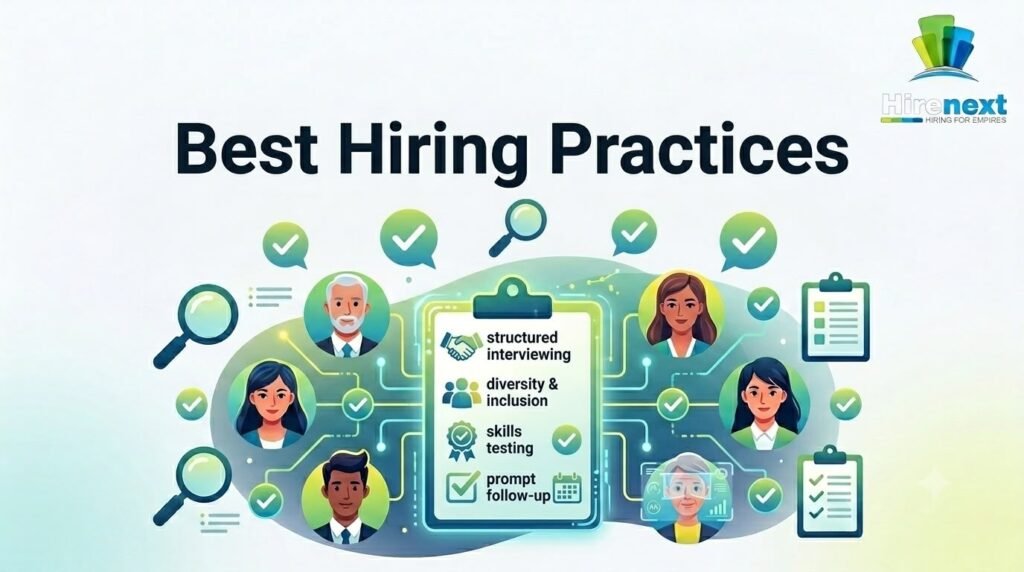
Businesses that consistently hire well often follow structured recruitment practices.
Define the Role Clearly
Before advertising a vacancy, understand:
- Required skills
- Responsibilities
- Performance expectations
- Career growth opportunities
Hire for Attitude and Potential
Technical skills can often be taught.
Positive attitudes, adaptability, and willingness to learn are equally valuable.
Standardize Interviews
Using consistent interview questions allows businesses to compare candidates fairly.
Conduct Skill Assessments
Practical tests frequently provide more accurate hiring insights than resumes alone.
Improve Candidate Experience
Professional communication, timely updates, and respectful interviews improve employer reputation.
These practices help businesses avoid many hiring mistakes SMEs should avoid.
Long-Term Benefits of Better Hiring
Addressing small business hiring challenges creates lasting business advantages.
Better Productivity
Employees who match their roles perform more efficiently.
Lower Recruitment Costs
Better hiring reduces repeated recruitment expenses.
Improved Employee Retention
Employees who feel supported remain longer.
Stronger Customer Relationships
Stable teams provide better customer service.
Better Workplace Culture
Successful hiring strengthens collaboration and employee engagement.
Sustainable Business Growth
Businesses spend more time growing rather than replacing employees.
Why SMEs Should Invest in Staffing Solutions
Some business owners hesitate to invest in professional staffing solutions because they view recruitment as an unnecessary expense.
However, poor hiring often costs far more than effective recruitment.
Professional staffing solutions help businesses:
- Save time
- Reduce hiring risks
- Improve candidate quality
- Increase employee retention
- Support long-term growth
For growing businesses, recruitment should be viewed as an investment rather than a cost.
Conclusion
Every growing business experiences recruitment challenges, but ignoring them can slow growth, reduce productivity, and increase costs.
The most common small business hiring challenges—including limited budgets, weak employer branding, high turnover, poor onboarding, and ineffective recruitment processes—are often preventable with the right strategies.
By understanding the hiring mistakes SMEs should avoid, investing in modern staffing solutions, strengthening workplace culture, and creating structured hiring processes, SMEs can attract better talent and build more stable teams.
Successful hiring isn’t about finding employees as quickly as possible—it’s about finding the right people, supporting them from day one, and creating an environment where they want to stay.
Businesses that continuously improve their hiring practices will be better positioned to compete, grow, and succeed in today’s competitive job market.