
Why Gen Z Doesn’t Stay Long in Toxic Workplaces
Introduction
The modern workforce is changing rapidly, and one of the biggest drivers of this change is Generation Z. Born roughly between 1997 and 2012, Gen Z employees are entering workplaces with different expectations, priorities, and values compared to previous generations.
Among the most noticeable Gen Z workplace trends is their willingness to leave jobs that negatively affect their well-being. Unlike earlier generations who may have tolerated unhealthy work environments for stability or career growth, Gen Z employees are more likely to prioritize respect, flexibility, work-life balance, and mental health at workplace.
This shift has sparked conversations among employers wondering why Gen Z employees leave toxic work environments more quickly than previous generations. The answer lies in changing attitudes toward work, personal well-being, professional development, and workplace culture.
Understanding these Gen Z workplace trends is essential for organizations that want to attract, engage, and retain young talent in today’s competitive hiring market.
Table of Contents
- Understanding Gen Z in the Workforce
- What Defines a Toxic Workplace?
- The Rise of Gen Z Workplace Trends
- Why Gen Z Employees Leave Toxic Work Environments
- The Importance of Mental Health at Workplace
- Lack of Respect and Recognition
- Poor Leadership and Management
- Work-Life Balance Expectations
- Communication and Transparency Issues
- Burnout and Workplace Stress
- Career Growth and Learning Opportunities
- Workplace Flexibility and Remote Work
- Diversity, Inclusion, and Belonging
- The Role of Company Culture
- How Toxic Environments Impact Businesses
- What Employers Can Learn from Gen Z Workplace Trends
- Strategies to Retain Gen Z Employees
- Future Workplace Expectations
- Building Healthier Work Environments
- Conclusion
Understanding Gen Z in the Workforce
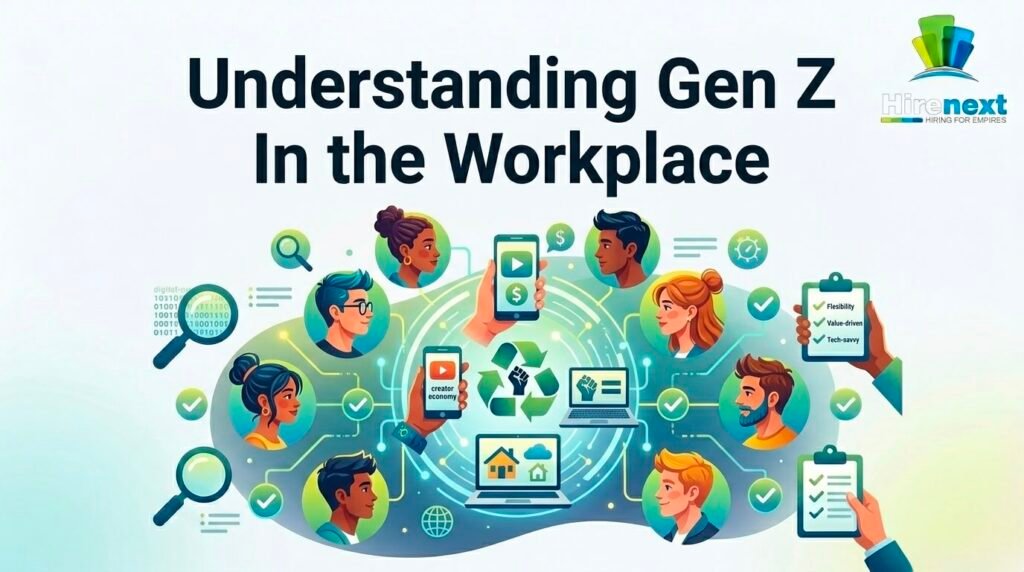
Generation Z, commonly known as Gen Z, is the first generation to grow up entirely in a digital world. Unlike previous generations that witnessed the rise of technology, Gen Z has been surrounded by digital tools, internet connectivity, and social media from an early age. This constant exposure to technology has significantly influenced how they communicate, learn, work, and make career decisions.
Gen Z employees have grown up with:
- Smartphones and mobile technology
- Social media platforms
- Online education and e-learning
- Instant messaging and communication tools
- Global access to information and opportunities
Because of these experiences, Gen Z enters the workforce with a different mindset than many previous generations. They are often more informed about workplace rights, career opportunities, and professional development options. They also have greater access to job opportunities through online platforms, making it easier to change jobs when workplace expectations are not met.
One of the most important Gen Z workplace trends is that younger employees tend to view work as an important part of life rather than the primary purpose of life. While they value career growth and financial stability, they also prioritize personal happiness, health, relationships, and overall well-being.
Unlike previous generations that often accepted long working hours and high workplace pressure as normal, Gen Z employees are more likely to question workplace practices that negatively affect their quality of life. They seek employers who respect boundaries, encourage growth, and support employee well-being.
Many organizations are noticing that Gen Z employees place strong importance on:
- Meaningful work
- Career development opportunities
- Flexible work arrangements
- Respectful leadership
- Workplace transparency
- Diversity and inclusion
- Mental health support
These expectations are reshaping recruitment and retention strategies across industries. Understanding these evolving Gen Z workplace trends is becoming essential for organizations that want to attract and retain younger talent.
What Defines a Toxic Workplace?
Before understanding why employees choose to leave organizations, it is important to understand what makes a workplace toxic.
A toxic workplace is not simply a challenging or fast-paced work environment. Instead, it is an environment where negative behaviors, unhealthy practices, and poor leadership create ongoing stress, dissatisfaction, and disengagement among employees.
Several factors can contribute to workplace toxicity.
Poor Communication
Communication is the foundation of any successful organization. When communication is unclear, inconsistent, or dishonest, employees often become confused, frustrated, and disengaged.
Examples include:
- Unclear expectations
- Lack of feedback
- Poor information sharing
- Leadership withholding important updates
Over time, communication issues can damage trust throughout the organization.
Lack of Respect
Employees want to feel valued and respected regardless of their position.
A lack of respect may include:
- Dismissing employee opinions
- Public criticism
- Favoritism
- Unprofessional behavior
When employees consistently feel disrespected, job satisfaction declines significantly.
Micromanagement
One of the most common complaints among younger employees is excessive micromanagement.
Micromanagement occurs when managers:
- Constantly monitor employees
- Limit autonomy
- Avoid delegation
- Require excessive approvals
This behavior often creates frustration and reduces employee confidence.
Workplace Bullying
Toxic workplaces sometimes involve bullying behaviors such as:
- Harassment
- Intimidation
- Exclusion
- Personal attacks
Workplace bullying can have serious effects on employee morale, mental health, and productivity.
Excessive Workloads
Heavy workloads can occasionally occur in any business. However, when excessive workloads become a constant expectation, employees may experience burnout and exhaustion.
Common signs include:
- Long working hours
- Unrealistic deadlines
- Continuous overtime
- Lack of recovery time
Unrealistic Expectations
Toxic workplaces often place unreasonable demands on employees without providing sufficient resources or support.
Employees may feel pressured to:
- Achieve impossible targets
- Handle excessive responsibilities
- Deliver results without proper training
This creates ongoing stress and dissatisfaction.
Lack of Growth Opportunities
Many employees, especially Gen Z workers, value learning and career advancement.
When organizations fail to provide:
- Training programs
- Promotions
- Skill development opportunities
- Career progression pathways
employees often begin exploring opportunities elsewhere.
Negative Company Culture
A toxic culture may include:
- Internal politics
- Lack of collaboration
- High turnover
- Fear-based leadership
- Poor employee morale
Such cultures often reduce engagement and make employees feel disconnected from the organization.
Overall, toxic workplaces can negatively impact both individual well-being and business performance. They often lead to lower productivity, reduced motivation, increased absenteeism, and higher turnover rates.
The Rise of Gen Z Workplace Trends
Organizations across industries are witnessing significant changes in employee expectations as Gen Z becomes a larger portion of the workforce.
These changing expectations have given rise to several important Gen Z workplace trends that are influencing recruitment, employee engagement, and retention strategies.
Prioritizing Mental Health
One of the most significant Gen Z workplace trends is the growing emphasis on mental health at workplace.
Gen Z employees are more likely to openly discuss mental health challenges and expect employers to provide support through:
- Wellness programs
- Flexible schedules
- Mental health resources
- Supportive leadership
For many young professionals, workplace well-being is no longer viewed as a benefit—it is viewed as a necessity.
Seeking Meaningful Work
Gen Z often wants more than just a paycheck.
Many employees seek roles that provide:
- Purpose
- Impact
- Personal fulfillment
- Opportunities to contribute
Organizations that clearly communicate their mission and values often attract stronger engagement from younger workers.
Valuing Flexibility
Flexibility has become one of the defining Gen Z workplace trends.
Employees increasingly prefer:
- Hybrid work arrangements
- Remote work options
- Flexible schedules
- Results-focused management
Many Gen Z professionals believe productivity should be measured by outcomes rather than hours spent in the office.
Expecting Transparency
Transparency plays a major role in building trust.
Gen Z employees often expect:
- Honest communication
- Clear feedback
- Open leadership discussions
- Transparent decision-making
Organizations that communicate openly tend to build stronger employee relationships.
Demanding Inclusive Cultures
Diversity, equity, and inclusion are particularly important to Gen Z.
Younger employees want workplaces where people feel:
- Accepted
- Respected
- Valued
- Represented
Inclusive environments contribute to stronger engagement and employee satisfaction.
Preferring Work-Life Balance
Unlike previous generations that sometimes prioritized career advancement above all else, Gen Z often seeks a healthier balance between professional and personal life.
Employees increasingly value:
- Personal time
- Family commitments
- Physical health
- Mental well-being
- Hobbies and interests
This focus on balance continues to shape modern Gen Z workplace trends and influences where employees choose to work and how long they remain with an organization.
As Gen Z becomes a larger part of the global workforce, these evolving expectations will continue influencing workplace culture, leadership styles, and organizational success.
Why Gen Z Employees Leave Toxic Work Environments
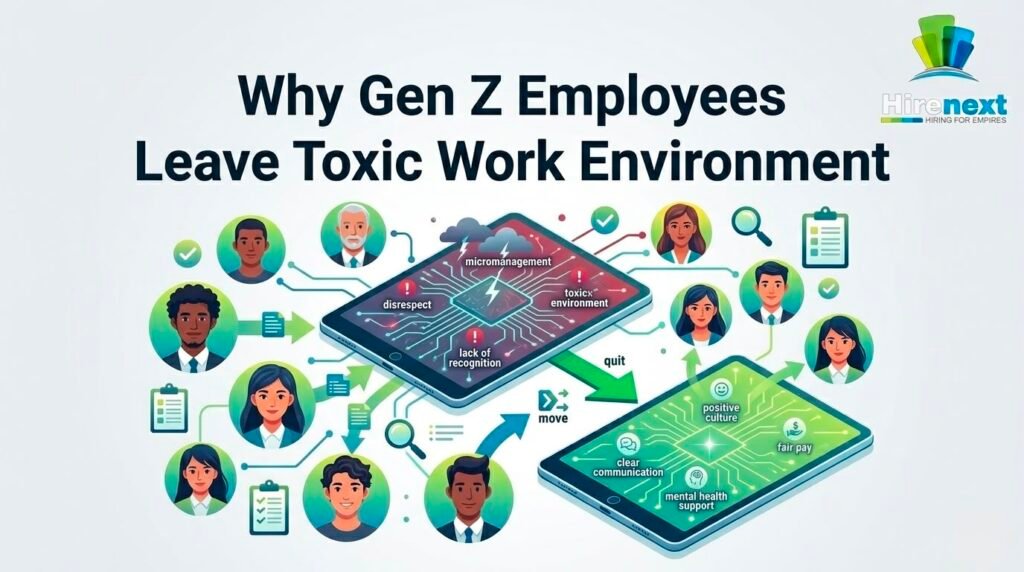
One of the most discussed topics today is why Gen Z employees leave toxic work environments.
Unlike previous generations, Gen Z is often more willing to leave unhealthy situations rather than tolerate them for long periods.
Several factors contribute to this behavior:
- Greater awareness of mental health
- Increased career mobility
- Access to remote opportunities
- Strong focus on personal well-being
- Desire for positive workplace experiences
This reflects broader Gen Z workplace trends shaping modern employment.
The Importance of Mental Health at Workplace
One of the strongest factors influencing Gen Z retention is mental health at workplace.
Many Gen Z employees actively seek employers that support:
- Stress management
- Emotional well-being
- Flexible schedules
- Psychological safety
- Employee wellness programs
Organizations that ignore mental health at workplace often struggle to retain younger talent.
Lack of Respect and Recognition
Respect remains a fundamental workplace expectation.
Gen Z employees want to feel:
- Valued
- Heard
- Appreciated
- Included
When contributions go unnoticed or employees feel disrespected, disengagement often follows.
Many Gen Z workplace trends show increasing demand for recognition and meaningful feedback.
Poor Leadership and Management
Management quality heavily influences retention.
Employees frequently leave managers rather than companies.
Common leadership issues include:
- Micromanagement
- Favoritism
- Poor communication
- Lack of empathy
- Inconsistent expectations
These factors contribute significantly to why Gen Z employees leave toxic work environments.
Work-Life Balance Expectations
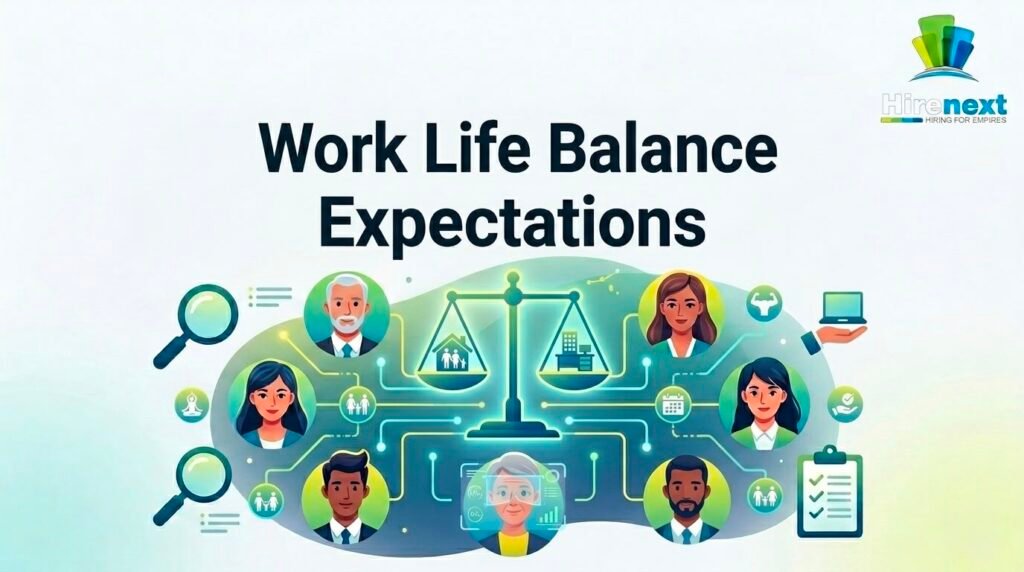
Gen Z places strong emphasis on balance.
Unlike traditional workplace cultures that glorify overwork, younger employees increasingly prioritize:
- Personal time
- Family commitments
- Physical health
- Mental well-being
- Hobbies and interests
This represents one of the most visible Gen Z workplace trends today.
Communication and Transparency Issues
Open communication matters greatly to Gen Z.
Employees expect:
- Honest feedback
- Clear expectations
- Leadership transparency
- Accessible managers
When communication breaks down, trust often declines.
Burnout and Workplace Stress
Burnout is becoming a major workplace concern.
Signs include:
- Exhaustion
- Reduced productivity
- Emotional fatigue
- Loss of motivation
Organizations that neglect mental health at workplace often experience higher turnover among younger employees.
Career Growth and Learning Opportunities
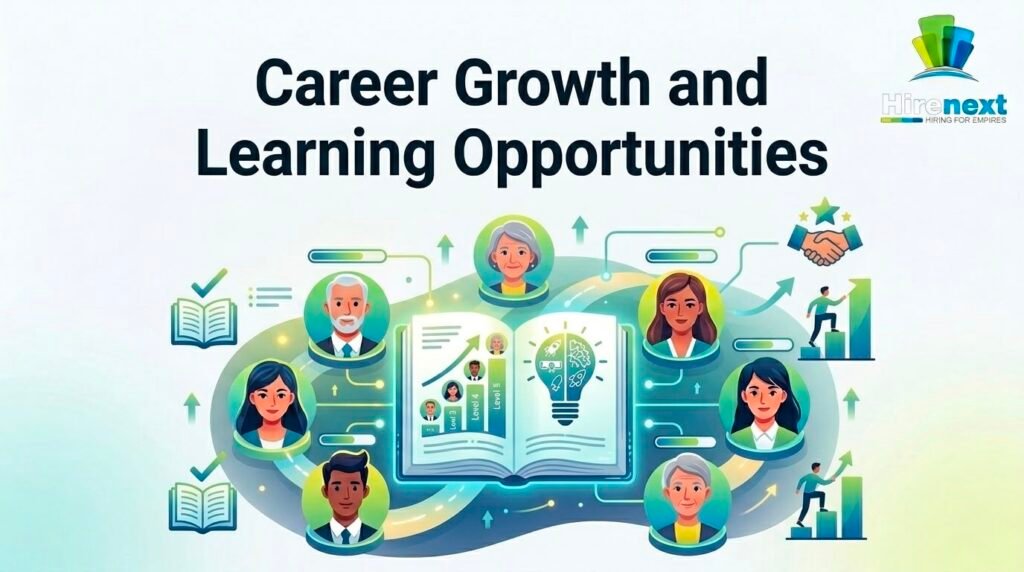
Gen Z values continuous learning.
Employees want:
- Professional development
- Skill-building opportunities
- Career advancement
- Mentorship programs
A lack of growth opportunities often contributes to employee departures.
Workplace Flexibility and Remote Work
Flexibility has become a major factor in recruitment and retention.
Many Gen Z employees prefer:
- Hybrid work models
- Remote opportunities
- Flexible schedules
- Results-based performance measurement
These preferences continue shaping modern Gen Z workplace trends.
Diversity, Inclusion, and Belonging
Gen Z generally places strong emphasis on diversity and inclusion.
Employees want workplaces where people feel:
- Accepted
- Respected
- Supported
- Represented
Inclusive cultures contribute to stronger engagement and retention.
The Role of Company Culture
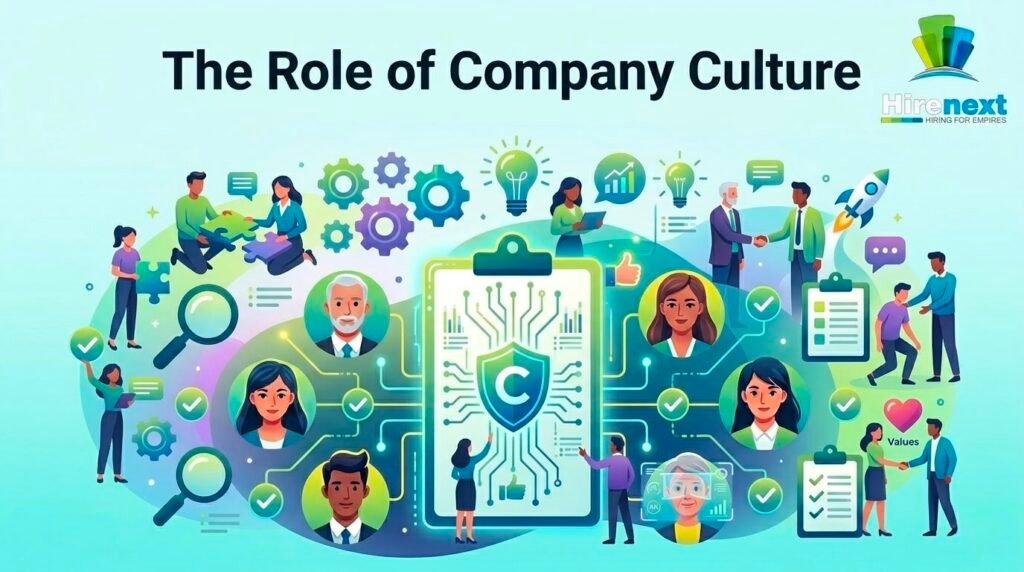
Company culture influences daily employee experiences.
Positive cultures often promote:
- Collaboration
- Respect
- Innovation
- Transparency
- Growth
Negative cultures frequently become reasons why Gen Z employees leave toxic work environments.
How Toxic Environments Impact Businesses
Toxic workplaces create challenges beyond employee turnover.
Potential consequences include:
- Reduced productivity
- Lower morale
- Recruitment difficulties
- Increased absenteeism
- Damaged employer reputation
Addressing workplace toxicity benefits both employees and organizations.
What Employers Can Learn from Gen Z Workplace Trends
Employers should view Gen Z workplace trends as valuable insights rather than challenges.
These trends highlight increasing demand for:
- Healthy work environments
- Better leadership
- Work-life balance
- Meaningful communication
- Employee well-being
Organizations that adapt often gain competitive advantages.
Strategies to Retain Gen Z Employees
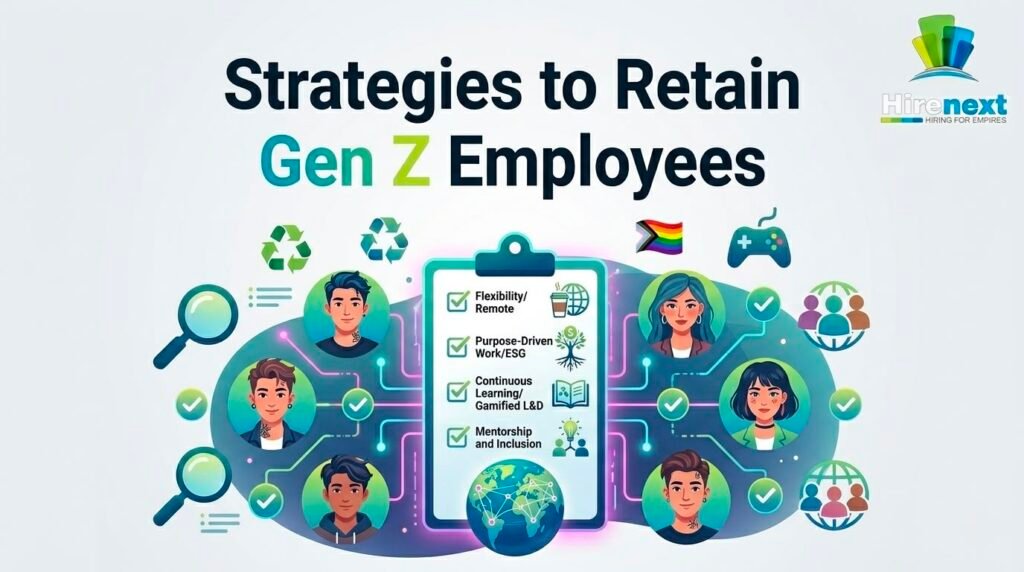
Employers can improve retention by:
Supporting Mental Health
Invest in wellness initiatives and resources.
Encouraging Open Communication
Create safe spaces for feedback.
Providing Growth Opportunities
Offer training, mentorship, and development programs.
Recognizing Contributions
Celebrate achievements regularly.
Promoting Flexibility
Support modern work arrangements when possible.
These approaches align with current Gen Z workplace trends.
Future Workplace Expectations
Workplaces will continue evolving.
Future trends may include:
- Increased flexibility
- Greater wellness support
- Skills-based career development
- Technology-driven collaboration
- Employee-centered cultures
Organizations that adapt to these changes will attract top talent.
Building Healthier Work Environments
Creating positive workplaces requires intentional effort.
Employers should focus on:
- Respectful leadership
- Fair policies
- Transparent communication
- Employee support systems
- Strong organizational values
These improvements strengthen both employee satisfaction and business performance.
Conclusion
The growing influence of Gen Z workplace trends is reshaping how organizations approach recruitment, retention, and workplace culture. Understanding why Gen Z employees leave toxic work environments reveals a generation that values well-being, respect, flexibility, and meaningful professional experiences.
A strong focus on mental health at workplace, transparent leadership, career development, and healthy work environments is no longer optional. It has become a critical factor in attracting and retaining modern talent.
Organizations that embrace these changing expectations will not only reduce turnover but also build stronger, more engaged, and more productive workforces for the future.