
What Makes a Candidate “Job Ready” Today?
Introduction
The modern job market is changing rapidly. Employers are no longer looking only at academic qualifications when deciding whether someone is suitable for a position. A degree may help a candidate get noticed, but it is practical knowledge, adaptability, communication, and workplace behavior that often determine whether they can succeed after being hired.
This has made the concept of being “job ready” more important than ever.
A job-ready candidate is someone who has the knowledge, skills, mindset, and professional behavior required to contribute effectively in the workplace. While the exact requirements vary by industry and role, certain job ready skills are becoming increasingly valuable across almost every profession.
Employers today look for candidates who can communicate clearly, solve problems, use technology confidently, work with others, and adapt to changing business requirements. In many cases, they also expect candidates to demonstrate initiative and a willingness to continue learning.
Understanding the skills employers look for in candidates can help job seekers prepare more effectively and improve their chances of building successful careers.
This article explores the most important job ready skills, why they matter, and how candidates can develop them before entering the workforce.
Table of Contents
Introduction
What Does “Job Ready” Really Mean?
Why Job Readiness Matters Today
Technical Skills and Industry Knowledge
Digital Literacy and Technology Skills
Communication Skills
Problem-Solving and Critical Thinking
Adaptability and Willingness to Learn
Time Management and Organization
Teamwork and Collaboration
Emotional Intelligence and Professionalism
Workplace Etiquette and Professional Behavior
Practical Experience and Internships
Resume and Interview Readiness
Skills Employers Look for in Candidates
Importance of Continuous Learning
Common Job Readiness Gaps
How Candidates Can Become More Job Ready
Role of Recruiters in Identifying Job-Ready Candidates
Why Soft Skills Matter More Than Ever
The Growing Importance of Digital Skills
Future of Job Readiness
What Makes a Candidate Truly Job Ready?
Conclusion
What Does “Job Ready” Really Mean?
Being job ready means having the ability to enter a workplace and perform responsibilities with reasonable independence while continuing to learn and improve.
A job-ready candidate typically possesses a combination of:
- Technical knowledge
- Practical skills
- Communication abilities
- Problem-solving skills
- Digital literacy
- Professional behavior
- Adaptability
The exact job ready skills required depend on the position.
For example, an accountant may need knowledge of accounting software and financial reporting, while a digital marketer may require SEO, social media, analytics, and content creation skills.
However, both professionals need strong communication, time management, and problem-solving abilities.
Job readiness is therefore a combination of role-specific expertise and transferable workplace skills.
Why Job Readiness Matters Today
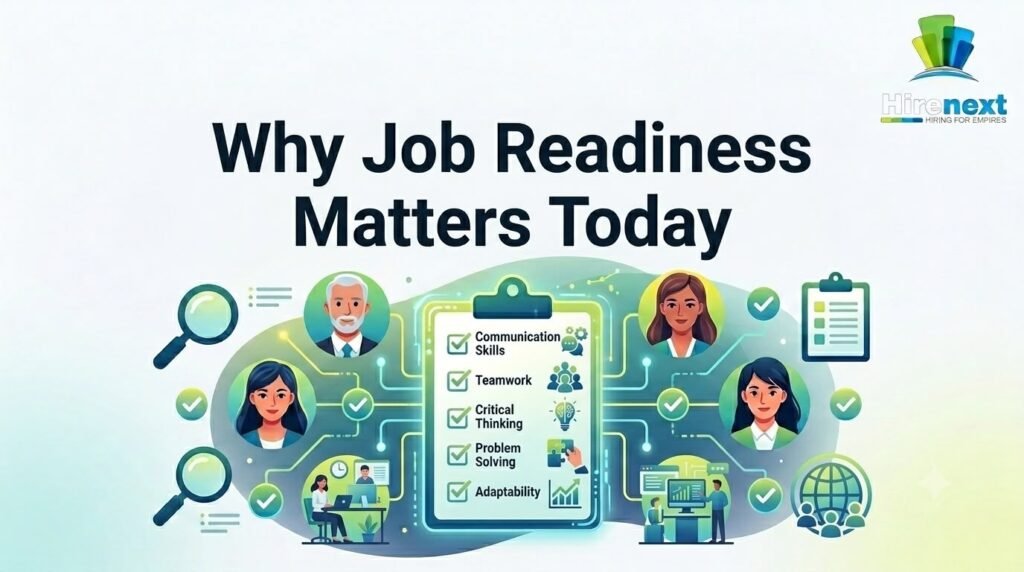
Employers operate in increasingly competitive environments.
Companies need employees who can:
- Learn quickly
- Adapt to new technology
- Solve problems independently
- Communicate effectively
- Work collaboratively
Hiring someone who lacks essential job ready skills can require significant training and supervision.
While employers understand that fresh graduates may not know everything, they expect candidates to demonstrate a basic level of workplace preparedness.
This is why candidates who combine qualifications with practical skills often have an advantage in competitive recruitment processes.
Technical Skills and Industry Knowledge
Technical knowledge remains one of the most important components of being job ready.
Candidates need to understand the tools, processes, and concepts relevant to their chosen profession.
Examples include:
Marketing
- SEO
- Social media marketing
- Content creation
- Digital advertising
- Analytics
Finance
- Accounting principles
- Financial analysis
- Excel
- Accounting software
Technology
- Programming
- Data analysis
- Cybersecurity
- Cloud technologies
Design
- Graphic design software
- UI/UX principles
- Visual communication
Developing relevant technical job ready skills helps candidates demonstrate that they can contribute to an organization.
Digital Literacy and Technology Skills
Digital literacy has become essential across almost every industry.
Even non-technical roles require employees to use digital tools.
Common workplace technologies include:
- Microsoft Office
- Google Workspace
- Video conferencing platforms
- Project management software
- Customer relationship management systems
Candidates do not need to master every tool, but basic digital confidence is increasingly expected.
Technology also changes quickly.
Therefore, one of the most valuable job ready skills is the ability to learn new digital tools efficiently.
Communication Skills
Strong communication skills are among the most important qualities employers look for.
Employees communicate through:
- Emails
- Meetings
- Presentations
- Phone calls
- Chat platforms
Good communication involves more than speaking clearly.
It also includes:
- Active listening
- Writing professionally
- Explaining ideas
- Asking relevant questions
- Giving constructive feedback
Candidates with strong communication skills can collaborate more effectively and reduce workplace misunderstandings.
This is why communication is frequently included among the top skills employers look for in candidates.
Problem-Solving and Critical Thinking
Workplaces rarely operate without challenges.
Employees may encounter:
- Customer complaints
- Missed deadlines
- Technical problems
- Process inefficiencies
- Unexpected changes
Employers value candidates who can analyze situations and identify practical solutions.
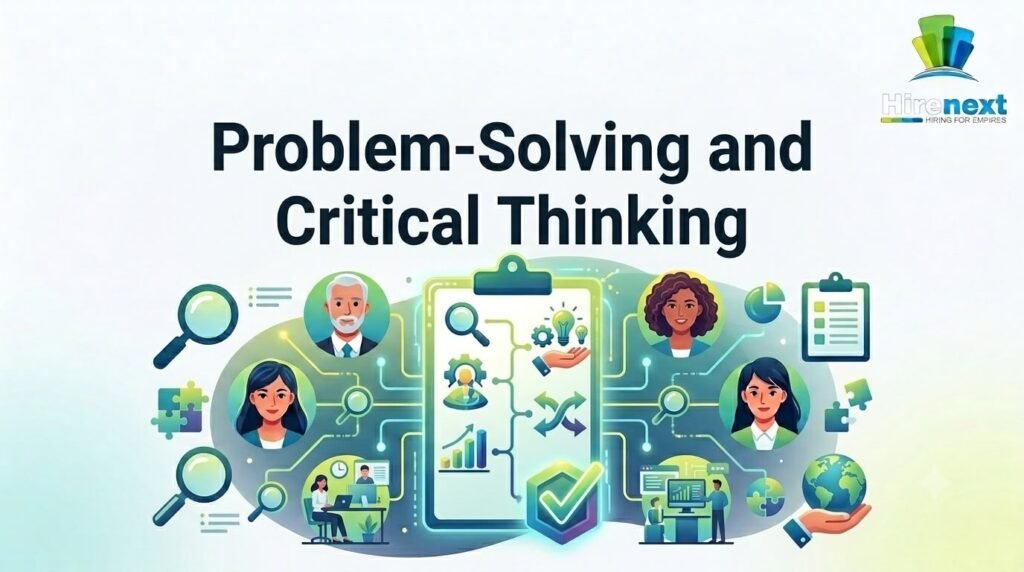
Critical thinking involves:
- Understanding the problem
- Identifying possible causes
- Evaluating solutions
- Taking appropriate action
Candidates can demonstrate this skill through examples from internships, academic projects, freelance work, or personal experiences.
Problem-solving is therefore an important part of modern job ready skills.
Adaptability and Willingness to Learn
The workplace changes constantly.
New technologies, processes, and market conditions can affect how employees perform their jobs.
Employers therefore value adaptable professionals.
A job-ready candidate should be willing to:
- Learn new tools
- Accept feedback
- Take on new responsibilities
- Adjust to changing priorities
A candidate who demonstrates curiosity and a willingness to learn may be more valuable than someone who has more experience but refuses to adapt.
Adaptability is one of the skills employers look for in candidates because it supports long-term career growth.
Time Management and Organization
Employees often manage multiple responsibilities simultaneously.
Strong time management helps professionals:
- Prioritize tasks
- Meet deadlines
- Plan workloads
- Avoid unnecessary delays
Candidates can demonstrate organizational ability by explaining how they manage academic projects, internships, freelance work, or previous employment.
Practical time management is an essential component of job ready skills, especially in fast-paced workplaces.
Teamwork and Collaboration
Most jobs require some level of teamwork.
Professionals may work with:
- Managers
- Colleagues
- Clients
- Vendors
- Cross-functional teams
Strong teamwork requires:
- Respect
- Communication
- Cooperation
- Accountability
Employers want people who can contribute to teams while also taking responsibility for their individual tasks.
Candidates should be able to provide examples of successful collaboration.
Emotional Intelligence and Professionalism
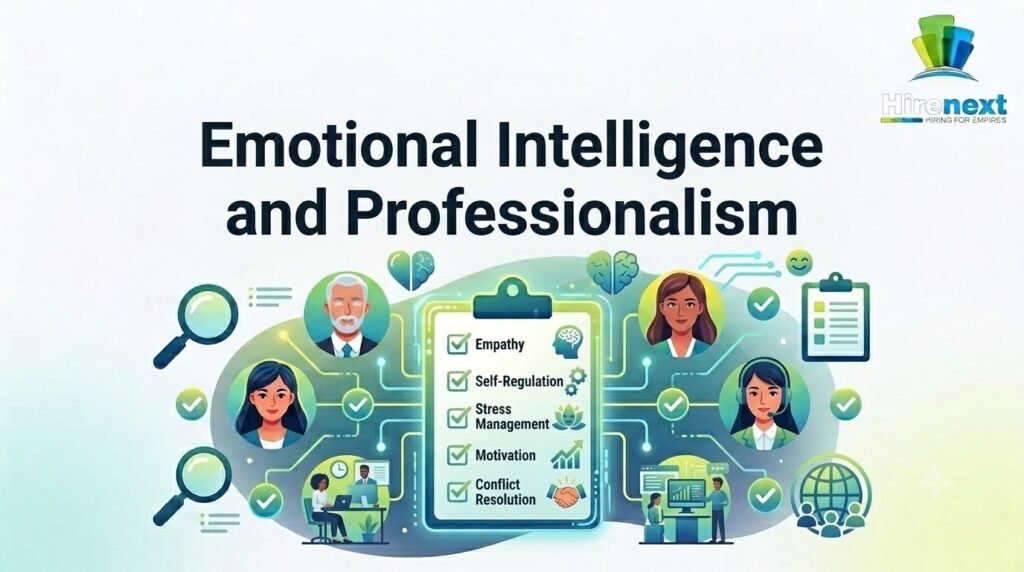
Emotional intelligence refers to the ability to understand and manage emotions while interacting effectively with others.
Professionals with emotional intelligence can:
- Handle workplace pressure
- Understand colleagues
- Respond to feedback
- Manage conflicts
- Maintain professional relationships
These qualities are increasingly considered valuable job ready skills because workplace success depends heavily on interpersonal relationships.
Workplace Etiquette and Professional Behavior
Being job ready also means understanding basic workplace expectations.
Professional behavior includes:
- Being punctual
- Meeting deadlines
- Dressing appropriately
- Communicating respectfully
- Taking responsibility
Candidates should understand that professional behavior influences how colleagues and managers perceive them.
Even highly skilled employees may struggle if they consistently demonstrate poor workplace etiquette.
Practical Experience and Internships
Academic knowledge is valuable, but practical experience helps candidates understand how workplaces actually function.
Experience can come from:
- Internships
- Freelance projects
- Part-time jobs
- Volunteering
- College projects
- Personal projects
Practical exposure allows candidates to develop real-world job ready skills.
For example, a marketing student who manages social media for a small business may gain more practical knowledge than someone who only studies marketing theory.
Resume and Interview Readiness
Being job ready is not only about possessing the right skills. Candidates must also know how to present those skills effectively during the hiring process.
A strong resume should clearly communicate:
- Relevant skills
- Educational qualifications
- Practical experience
- Internships
- Projects
- Certifications
- Achievements
Candidates should customize their resumes based on the position they are applying for.
For example, a digital marketing candidate should highlight relevant job ready skills such as SEO, content marketing, social media, analytics, and advertising tools instead of listing unrelated abilities.
Interview preparation is equally important.
Candidates should be prepared to discuss:
- Their experience
- Strengths and weaknesses
- Career goals
- Relevant projects
- Problem-solving examples
They should also research the company and understand the job description before attending an interview.
Skills Employers Look for in Candidates
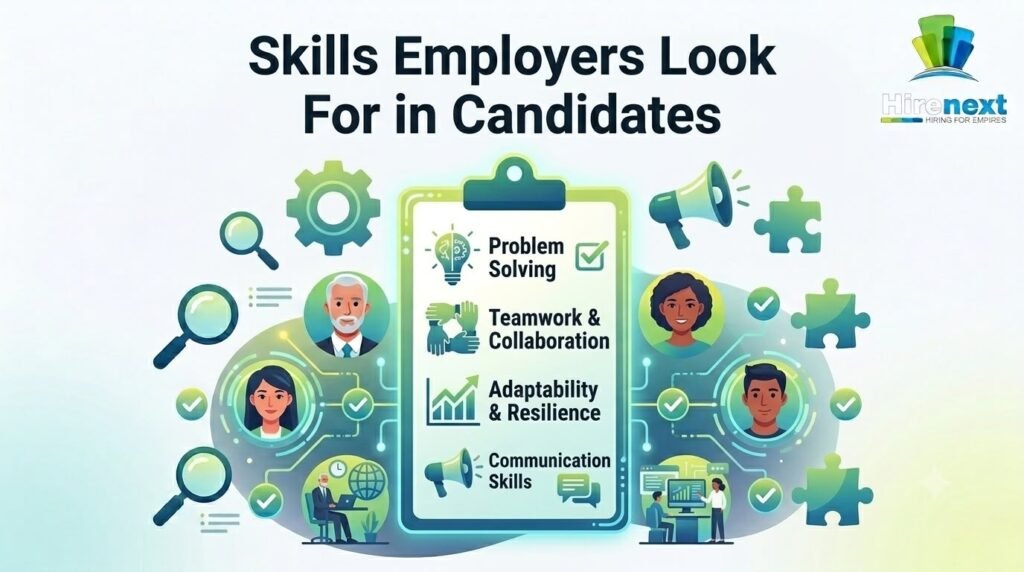
The skills employers look for in candidates vary depending on the industry and position. However, several abilities are valuable across almost every profession.
These include:
1. Communication
Candidates should be able to communicate ideas clearly through speaking and writing.
2. Problem-Solving
Employers value people who can identify challenges and develop practical solutions.
3. Adaptability
Employees must be comfortable learning new processes and technologies.
4. Teamwork
The ability to collaborate effectively is essential in most workplaces.
5. Digital Literacy
Candidates should be comfortable using technology relevant to their roles.
6. Time Management
Professionals must prioritize tasks and meet deadlines.
7. Critical Thinking
Employees should be able to analyze information before making decisions.
8. Professionalism
Reliability, accountability, and workplace etiquette remain highly valuable.
Developing these job ready skills can significantly improve a candidate’s employability.
Importance of Continuous Learning
Being job ready is not a one-time achievement.
Industries constantly evolve, meaning professionals must continue developing their skills throughout their careers.
Candidates can stay competitive by:
- Taking online courses
- Attending workshops
- Earning certifications
- Following industry trends
- Learning new software
- Participating in professional communities
Continuous learning is particularly important in fields affected by technology.
For example, digital marketing professionals may need to regularly update their knowledge of search algorithms, advertising platforms, analytics tools, and artificial intelligence.
A willingness to learn is therefore one of the most valuable job ready skills for long-term career success.
Common Job Readiness Gaps
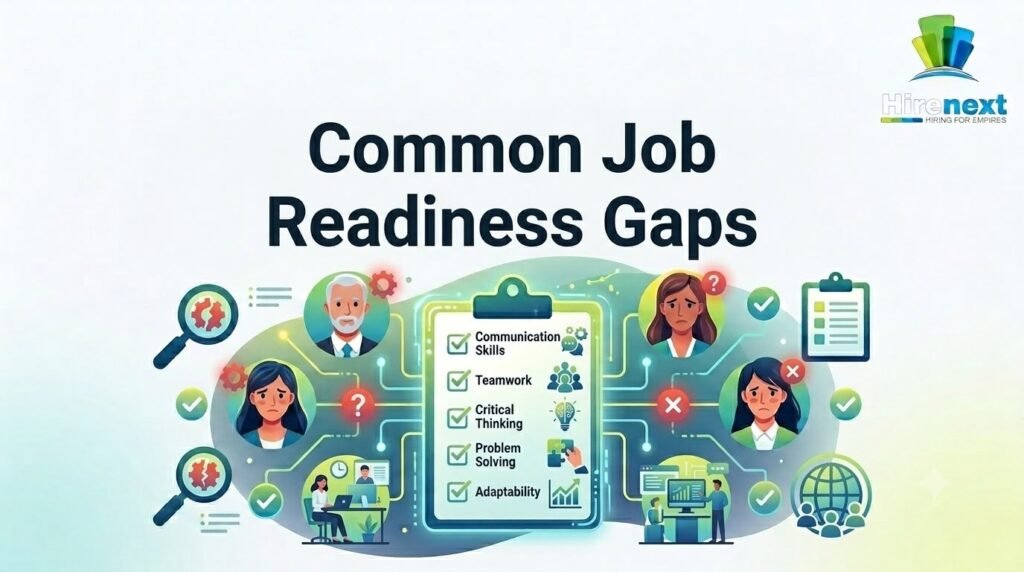
Many candidates struggle to secure employment despite having strong academic qualifications.
Some common job readiness gaps include:
Lack of Practical Experience
Candidates may understand theories but lack experience applying them.
Weak Communication
Poor communication can affect interviews and workplace performance.
Limited Digital Skills
Candidates may not know the software or tools commonly used in their industry.
Poor Interview Preparation
Some candidates fail to research companies or prepare relevant examples.
Lack of Confidence
Even capable candidates may struggle to communicate their strengths effectively.
Resistance to Learning
Candidates who are unwilling to develop new skills may struggle in changing industries.
Identifying these gaps early can help candidates develop stronger job ready skills.
How Candidates Can Become More Job Ready
Candidates can take several practical steps to improve their employability.
Build Industry-Relevant Skills
Identify the skills required for your target career and focus on developing them.
For example, someone interested in digital marketing might learn:
- SEO
- Google Analytics
- Content marketing
- Social media
- Paid advertising
Gain Practical Experience
Experience does not always require a full-time job.
Candidates can gain exposure through:
- Internships
- Freelancing
- Volunteer projects
- College assignments
- Personal projects
Creating real examples of work helps candidates demonstrate their abilities.
Improve Communication Skills
Candidates can strengthen communication skills by:
- Practicing presentations
- Improving business writing
- Participating in discussions
- Learning active listening
- Practicing interviews
Strong communication can improve both interview performance and workplace relationships.
Build a Professional Online Presence
Candidates should consider maintaining professional profiles on platforms such as LinkedIn.
They can showcase:
- Skills
- Certifications
- Projects
- Achievements
- Industry interests
A strong professional presence can help recruiters discover potential candidates.
Role of Recruiters in Identifying Job-Ready Candidates
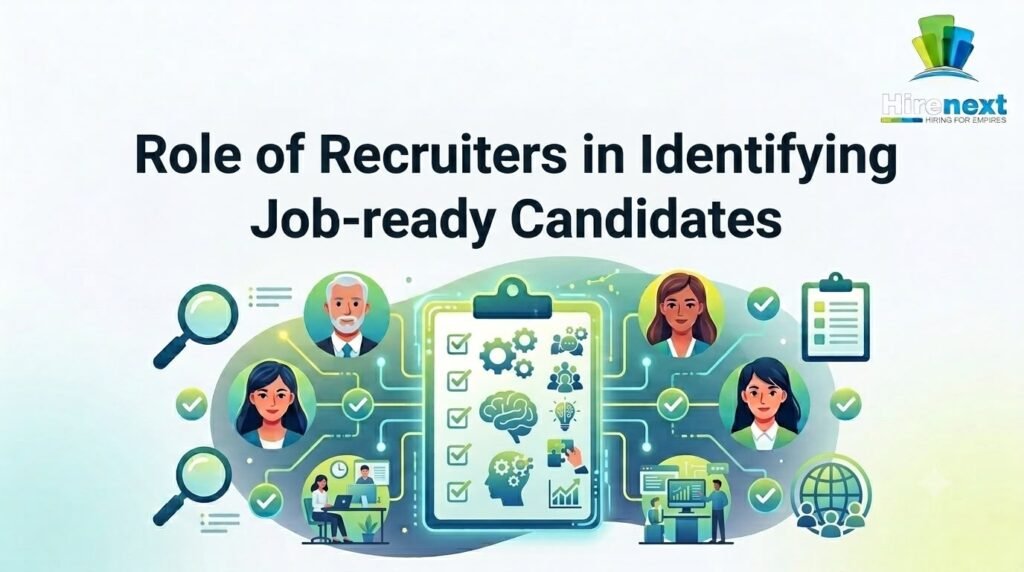
Recruiters play an important role in evaluating whether candidates possess the required job ready skills.
They may assess:
- Technical qualifications
- Work experience
- Communication
- Problem-solving
- Professional behavior
- Cultural alignment
Recruiters also help employers identify candidates who may not have traditional qualifications but possess relevant practical skills.
For fresh graduates, recruiters can evaluate internships, academic projects, certifications, and transferable skills.
This helps employers make more informed hiring decisions.
Why Soft Skills Matter More Than Ever
Technical knowledge may help candidates qualify for an interview, but soft skills often influence long-term workplace success.
Important soft skills include:
- Communication
- Leadership
- Collaboration
- Adaptability
- Emotional intelligence
- Problem-solving
These abilities are difficult to measure through academic qualifications alone.
As automation handles more routine tasks, human-centered job ready skills are becoming increasingly valuable.
The Growing Importance of Digital Skills
Digital transformation has changed almost every industry.
Even professionals in traditional sectors may need to use:
- Digital communication platforms
- Cloud software
- Data tools
- Online collaboration systems
Candidates who are comfortable with technology can often adapt more quickly.
However, digital readiness does not mean that every candidate must become a programmer.
Instead, candidates should understand the technology relevant to their chosen career.
Future of Job Readiness
The definition of job readiness will continue changing.
Future employers may increasingly prioritize:
- AI literacy
- Data awareness
- Digital collaboration
- Adaptability
- Creativity
- Critical thinking
- Continuous learning
As technology develops, employees will need to work alongside automated systems and artificial intelligence.
This means future job ready skills will include both technical knowledge and distinctly human abilities.
Candidates who combine digital confidence with creativity, communication, and critical thinking are likely to remain competitive.
What Makes a Candidate Truly Job Ready?
A truly job-ready candidate is not someone who knows everything.
Instead, they are someone who:
- Has relevant foundational knowledge
- Can apply skills practically
- Communicates effectively
- Works well with others
- Solves problems
- Uses technology confidently
- Accepts feedback
- Learns continuously
- Behaves professionally
Being job ready is therefore a combination of knowledge, skills, attitude, and behavior.
Conclusion
The modern workplace requires more than academic qualifications. Employers are increasingly looking for candidates who can combine technical knowledge with practical experience, strong communication skills, adaptability, problem-solving, and professionalism.
The most valuable job ready skills depend on the industry and role, but qualities such as communication, teamwork, digital literacy, critical thinking, and willingness to learn are relevant across almost every career.
Understanding the skills employers look for in candidates allows job seekers to prepare more strategically. Candidates can improve their employability by gaining practical experience, developing industry-specific knowledge, improving their resumes, preparing for interviews, and continuously learning.
Ultimately, being job ready is not about being perfect before entering the workplace. It is about having the right foundation to contribute, learn, adapt, and grow.
As technology and industries continue to evolve, candidates who develop a balanced combination of technical abilities and human skills will be better prepared for the future of work.