
Why Employee Retention Starts From Hiring
Introduction
Many businesses believe employee retention becomes important only after an employee joins the company. However, the reality is very different. Long-term employee loyalty, engagement, and productivity actually begin during the hiring process itself.
Companies that focus only on filling vacancies quickly often face high employee turnover, low engagement, poor cultural fit, and repeated recruitment costs. On the other hand, businesses that hire strategically build stronger teams, improve employee satisfaction, and create better workplace stability.
This is why modern organizations are now connecting hiring directly with retention strategies. Smart recruitment is no longer just about selecting candidates — it is about selecting people who will stay, grow, and contribute long-term.
Understanding effective employee retention tips starts with improving recruitment quality, candidate experience, onboarding systems, and workplace alignment. Businesses using strong recruitment strategies to improve retention are reducing turnover costs and building healthier work cultures.
In this detailed guide, we will explore why retention starts from hiring, the most effective employee retention tips, how recruitment impacts workforce stability, and the best ways to achieve long term employee retention in 2026.
Table of Contents
- What Is Employee Retention?
- Why Employee Retention Matters
- Why Employee Retention Starts From Hiring
- Common Causes of Employee Turnover
- Importance of Recruitment in Long-Term Retention
- Employee Retention Tips Every Business Should Follow
- Recruitment Strategies to Improve Retention
- Hiring for Cultural Fit
- Importance of Transparent Job Descriptions
- Candidate Experience and Retention
- Employer Branding and Employee Loyalty
- Skills vs Attitude in Recruitment
- Onboarding and Long Term Employee Retention
- Leadership’s Role in Retention
- Career Growth and Employee Engagement
- Workplace Flexibility and Retention
- Employee Recognition and Motivation
- Communication and Trust in the Workplace
- Technology and Employee Retention
- Common Hiring Mistakes That Increase Turnover
- Future Trends in Employee Retention in 2026
- Conclusion
What Is Employee Retention?
Employee retention refers to a company’s ability to keep employees working with the organization for long periods.
High retention means:
- Employees stay longer
- Workplace stability improves
- Productivity increases
- Hiring costs decrease
Strong retention systems are essential for sustainable business growth.
Why Employee Retention Matters
Employee turnover is expensive and damaging for businesses.
Replacing employees repeatedly increases:
- Recruitment costs
- Training expenses
- Productivity loss
- Team disruption
This is why businesses are actively searching for effective employee retention tips to reduce turnover and improve workforce stability.
Why Employee Retention Starts From Hiring
Retention begins before the employee’s first working day.
The hiring process directly affects:
- Employee expectations
- Workplace alignment
- Cultural fit
- Job satisfaction
- Long-term engagement
Poor hiring decisions often result in employees leaving quickly.
Strong recruitment strategies to improve retention help businesses hire candidates who genuinely fit the company’s culture, values, and growth opportunities.
Common Causes of Employee Turnover
Many employees leave because of problems that started during recruitment itself.
Common Turnover Reasons Include:
- Misleading job descriptions
- Poor cultural fit
- Lack of growth opportunities
- Weak onboarding
- Poor leadership
- Communication gaps
Understanding these issues helps businesses apply better employee retention tips.
Importance of Recruitment in Long-Term Retention
Recruitment is the foundation of workforce stability.
Hiring employees only based on technical skills is no longer enough.
Businesses must evaluate:
- Communication skills
- Adaptability
- Cultural alignment
- Learning ability
- Career goals
These factors improve long term employee retention significantly.
Employee Retention Tips Every Business Should Follow
Successful retention requires consistent effort.
Important Employee Retention Tips:
- Hire carefully, not quickly
- Offer realistic job expectations
- Improve onboarding experiences
- Support employee growth
- Build healthy work culture
- Recognize employee contributions
Companies following these employee retention tips usually experience lower turnover rates.
Recruitment Strategies to Improve Retention
Modern hiring focuses heavily on retention-focused recruitment.
Effective Recruitment Strategies to Improve Retention Include:
- Skills-based hiring
- Behavioral interviews
- Employer branding
- Clear communication
- Candidate experience optimization
These methods help businesses attract candidates who are more likely to stay long-term.
Hiring for Cultural Fit
Cultural fit is one of the biggest predictors of employee retention.
Employees who align with company values and work environments usually:
- Adapt faster
- Collaborate better
- Feel more engaged
- Stay longer
Hiring for culture improves long term employee retention significantly.
Importance of Transparent Job Descriptions
One major reason employees quit early is mismatched expectations.
Job descriptions should clearly explain:
- Responsibilities
- Work environment
- Salary expectations
- Growth opportunities
- Performance expectations
Transparency improves hiring quality and supports better retention.
Candidate Experience and Retention
Candidate experience affects how employees view the company from the beginning.
Poor recruitment communication creates negative impressions early.
Candidates expect:
- Timely updates
- Professional interaction
- Clear communication
- Respect during interviews
Positive candidate experiences improve employee trust and engagement.
Employer Branding and Employee Loyalty
Strong employer branding attracts employees who genuinely connect with company culture.
Businesses with positive branding often achieve:
- Higher employee engagement
- Better retention rates
- Improved workplace morale
Employer branding is now one of the most effective employee retention tips for modern businesses.
Skills vs Attitude in Recruitment
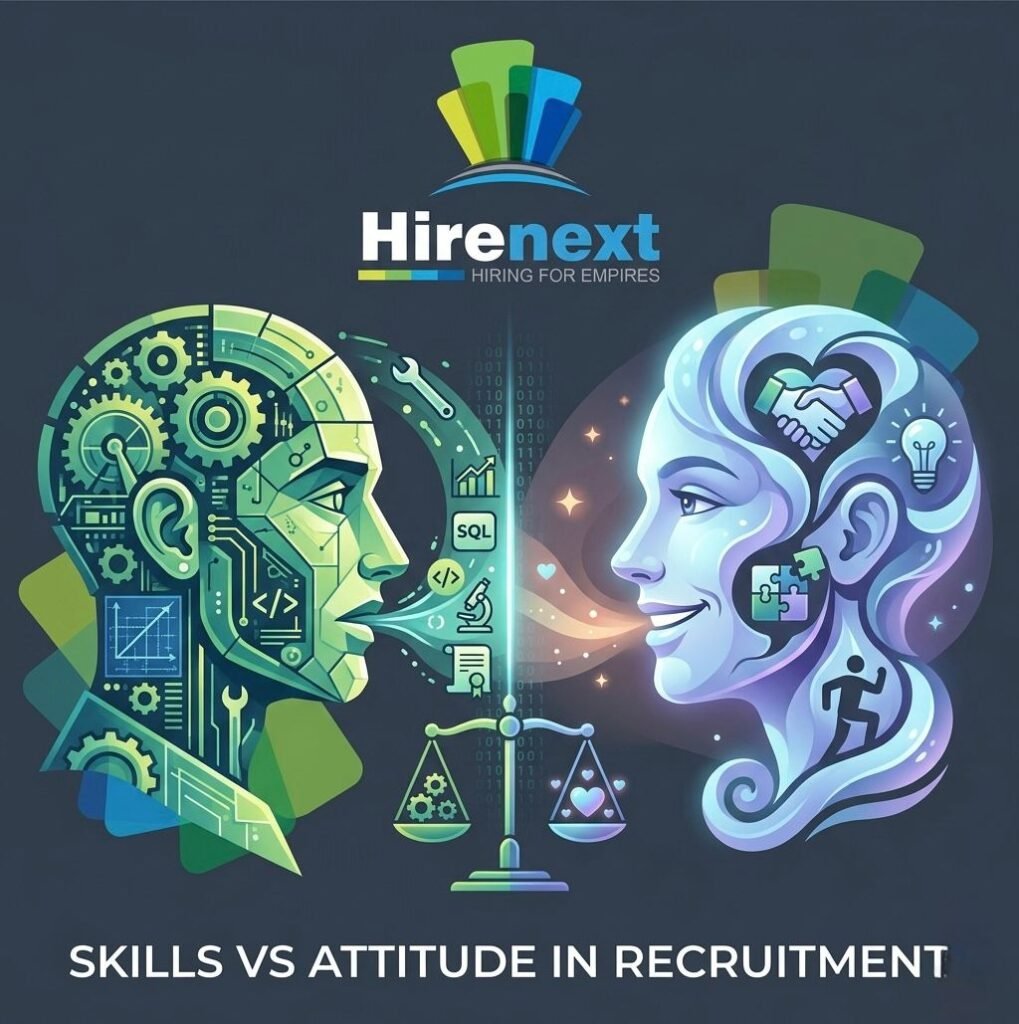
Technical skills can be trained, but attitude is much harder to change.
Companies focusing only on qualifications often ignore:
- Work ethic
- Communication
- Adaptability
- Team behavior
Hiring employees with positive attitudes supports stronger long term employee retention.
Onboarding and Long Term Employee Retention
The onboarding process heavily influences employee retention.
Poor onboarding creates confusion and disengagement.
Strong onboarding should include:
- Training support
- Team introductions
- Role clarity
- Company culture orientation
Effective onboarding strengthens employee confidence and reduces early resignations.
Leadership’s Role in Retention
Employees often leave managers, not companies.
Supportive leadership improves:
- Employee trust
- Communication
- Motivation
- Workplace satisfaction
Leadership quality directly impacts long term employee retention.
Career Growth and Employee Engagement
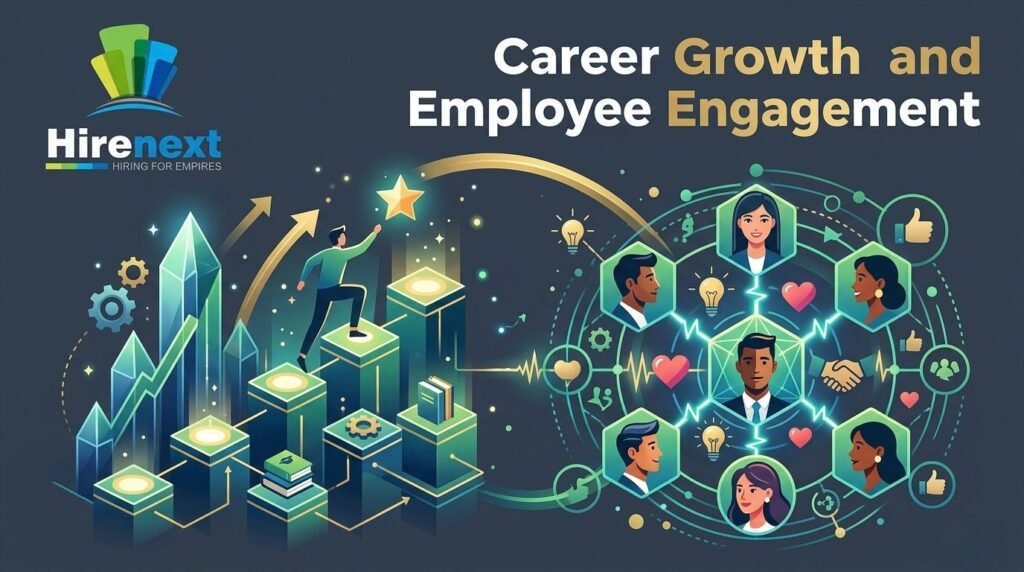
Employees want opportunities for growth and development.
Companies should provide:
- Training programs
- Promotions
- Skill development
- Career progression paths
Career growth is one of the strongest employee retention tips businesses can implement.
Workplace Flexibility and Retention
Modern employees value flexibility more than ever before.
Flexible work models improve:
- Work-life balance
- Employee satisfaction
- Mental well-being
- Productivity
Businesses offering flexibility usually achieve better retention outcomes.
Employee Recognition and Motivation
Recognition improves employee morale significantly.
Employees who feel valued are more likely to stay long-term.
Simple recognition methods include:
- Appreciation programs
- Performance rewards
- Public recognition
- Incentives
Recognition plays a major role in recruitment strategies to improve retention.
Communication and Trust in the Workplace
Transparent communication builds employee trust.
Employees expect:
- Honest leadership
- Regular feedback
- Open communication channels
Strong communication improves workplace relationships and supports retention.
Technology and Employee Retention
Modern HR technology helps businesses improve retention through:
- Employee engagement tracking
- Performance analytics
- Feedback systems
- Learning platforms
Technology helps companies monitor workforce satisfaction more effectively.
Common Hiring Mistakes That Increase Turnover
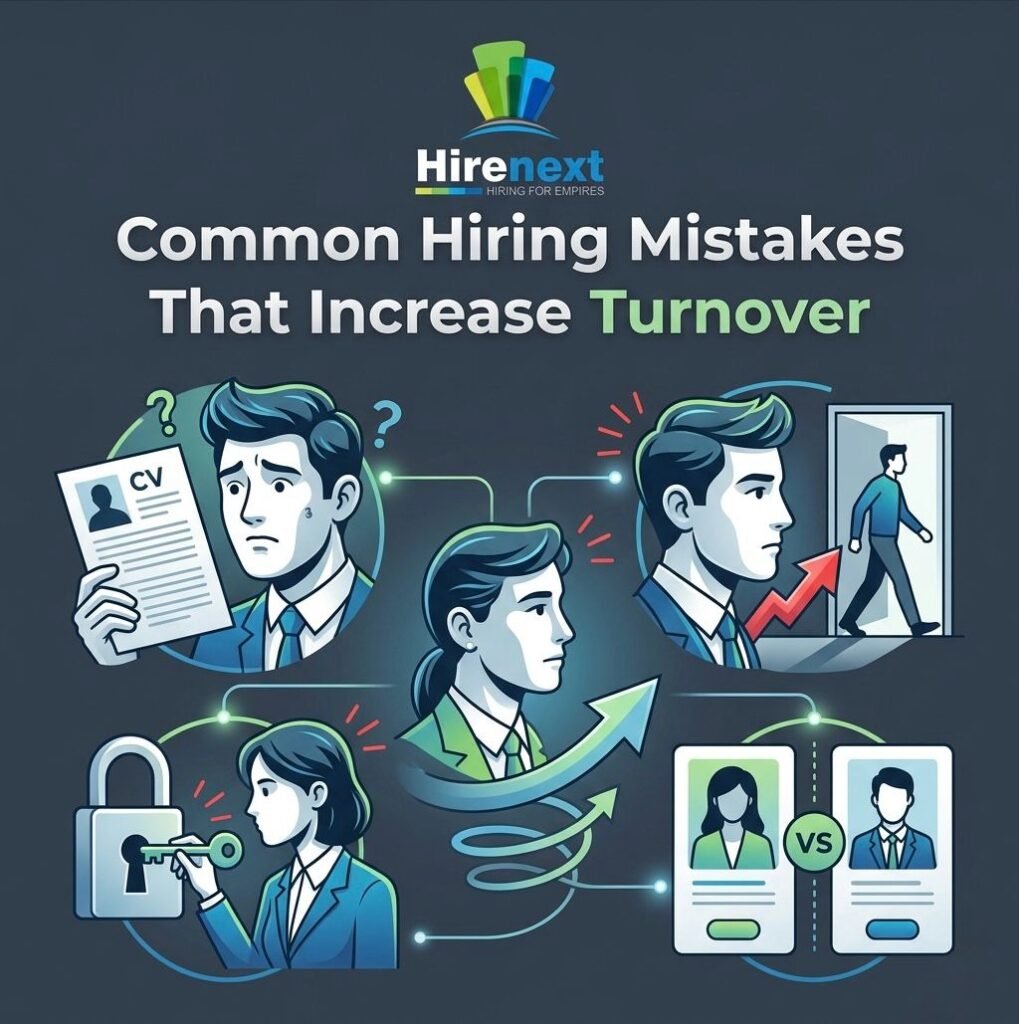
Many businesses unintentionally increase employee turnover by:
- Hiring too quickly
- Ignoring cultural fit
- Providing unrealistic job expectations
- Weak onboarding systems
- Poor communication
Avoiding these mistakes strengthens long term employee retention.
Future Trends in Employee Retention in 2026
Retention strategies are evolving rapidly.
Major Future Trends Include:
1. Skills-Based Hiring
Companies will prioritize adaptability and learning ability.
2. Employee Wellness Programs
Mental health and wellness support will become more important.
3. Personalized Career Growth
Employees will expect customized growth opportunities.
4. Flexible Work Culture
Hybrid and remote work models will continue growing.
5. Strong Employer Branding
Businesses with positive workplace culture will attract and retain better talent.
Companies adapting early to these trends will improve retention success significantly.
Practical Employee Retention Tips for Businesses
| Retention Strategy | Benefit |
|---|---|
| Transparent hiring | Better employee expectations |
| Strong onboarding | Faster employee adaptation |
| Career development | Higher engagement |
| Flexible work culture | Improved satisfaction |
| Employee recognition | Lower turnover |
These methods support stronger workforce stability.
Conclusion
Employee retention does not begin after onboarding — it begins during recruitment itself. Businesses that hire strategically, communicate transparently, and focus on cultural fit build stronger, more loyal teams over time.
Modern organizations must understand that effective employee retention tips are deeply connected to recruitment quality, candidate experience, leadership, onboarding, and workplace culture.
Companies using smart recruitment strategies to improve retention reduce turnover, improve employee satisfaction, and strengthen operational stability. Achieving long term employee retention is no longer just an HR goal — it is a major business growth strategy in 2026.
The companies that focus on hiring the right people, not just filling vacancies quickly, will build the strongest and most successful teams in the future.