
Why Your Hiring Process Is Failing: Common Recruitment Process Problems and How to Fix Them
Hiring the right employees is one of the most important parts of business growth. Yet many companies struggle to attract, evaluate, and retain the right talent. The issue is not always the lack of candidates—the real issue is often hidden inside the hiring system itself.
Many organizations face serious recruitment process problems without even realizing it. Slow hiring, poor candidate quality, high employee turnover, and frequent drop-offs are all signs that something is wrong.
If your company constantly struggles with hiring, it’s time to identify the root causes and improve the process.
In this detailed guide, we will explore the biggest recruitment process problems, the common mistakes companies make while hiring, and practical ways to improve through interview process optimization.
Table of Contents
- What Are Recruitment Process Problems?
- Why Hiring Failure Hurts Business Growth
- Signs Your Hiring Process Is Failing
- Unclear Job Requirements
- Poor Job Descriptions
- Weak Candidate Sourcing Strategy
- Slow Hiring Process
- Lack of Communication
- Too Many Interview Rounds
- Interview Process Optimization
- Mistakes Companies Make While Hiring
- Ignoring Candidate Experience
- Lack of Employer Branding
- Poor Coordination Between HR and Managers
- Hiring Based on Assumptions Instead of Skills
- No Data or Hiring Metrics
- Failure to Build Talent Pipeline
- Technology and Automation Issues
- How to Fix Recruitment Process Problems
- Best Practices for Better Hiring
- Long-Term Recruitment Strategy
- Conclusion
What Are Recruitment Process Problems?
Recruitment process problems refer to issues that reduce hiring efficiency and quality.
These problems include:
- Delayed hiring
- Poor-quality candidates
- High employee turnover
- Candidate drop-offs
- Communication gaps
When companies fail to fix these issues, recruitment becomes expensive and ineffective.
Why Hiring Failure Hurts Business Growth
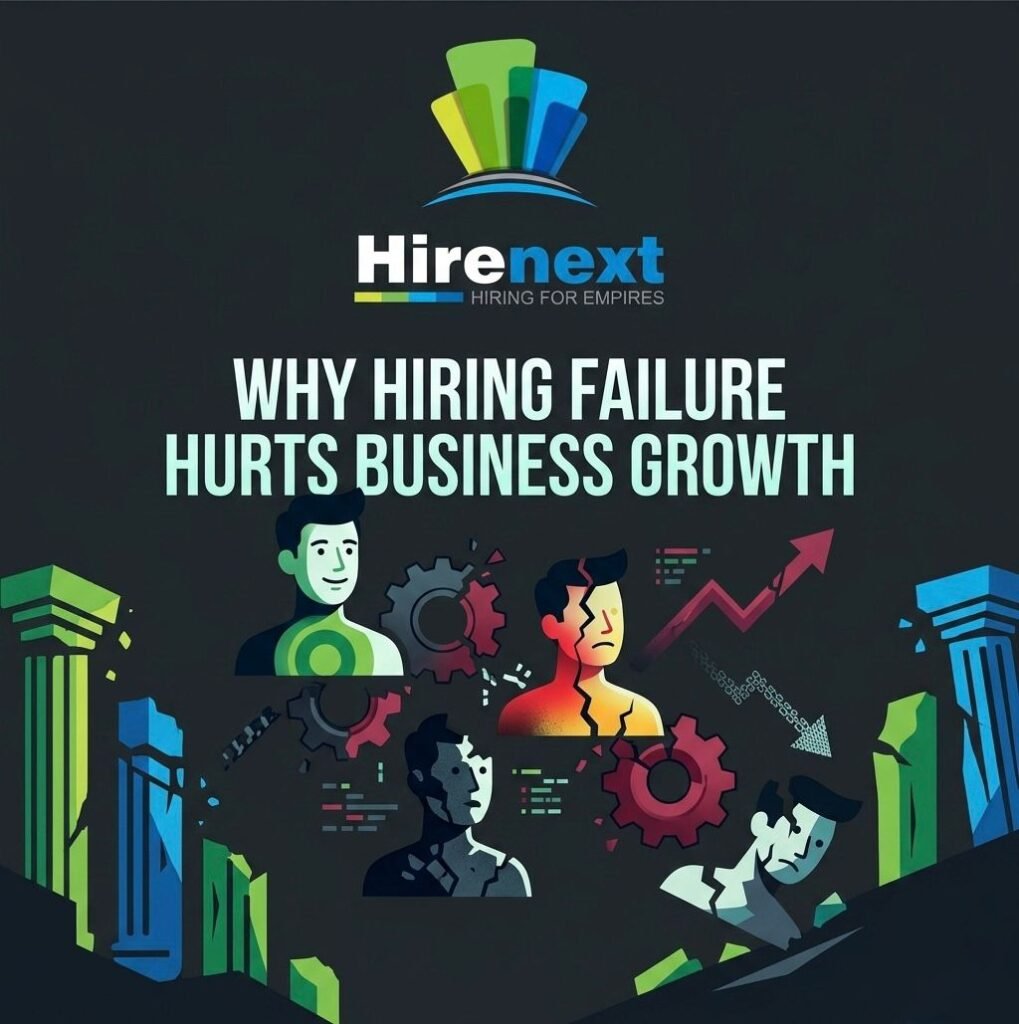
A failing hiring process affects the entire organization.
Major impacts include:
- Reduced productivity
- Increased workload on teams
- Higher hiring costs
- Loss of top talent
- Poor employee retention
This is why solving recruitment process problems is essential for long-term business growth.
Signs Your Hiring Process Is Failing
Many companies ignore warning signs.
Common signs include:
- Positions staying open for too long
- Low-quality applications
- Candidates rejecting offers
- Employees leaving quickly
- Constant hiring delays
Recognizing these signs early helps fix recruitment process problems before they grow bigger.
Unclear Job Requirements
One of the biggest hiring issues is unclear expectations.
Problems happen when:
- Roles are poorly defined
- Managers change requirements frequently
- HR and teams are not aligned
This confusion weakens the entire recruitment system.
Clear expectations are essential for reducing recruitment process problems.
Poor Job Descriptions
Job descriptions directly impact application quality.
Bad job descriptions:
- Attract irrelevant candidates
- Confuse applicants
- Increase screening time
Good descriptions should clearly mention:
- Responsibilities
- Skills required
- Salary expectations
- Growth opportunities
Strong job descriptions help reduce recruitment process problems significantly.
Weak Candidate Sourcing Strategy
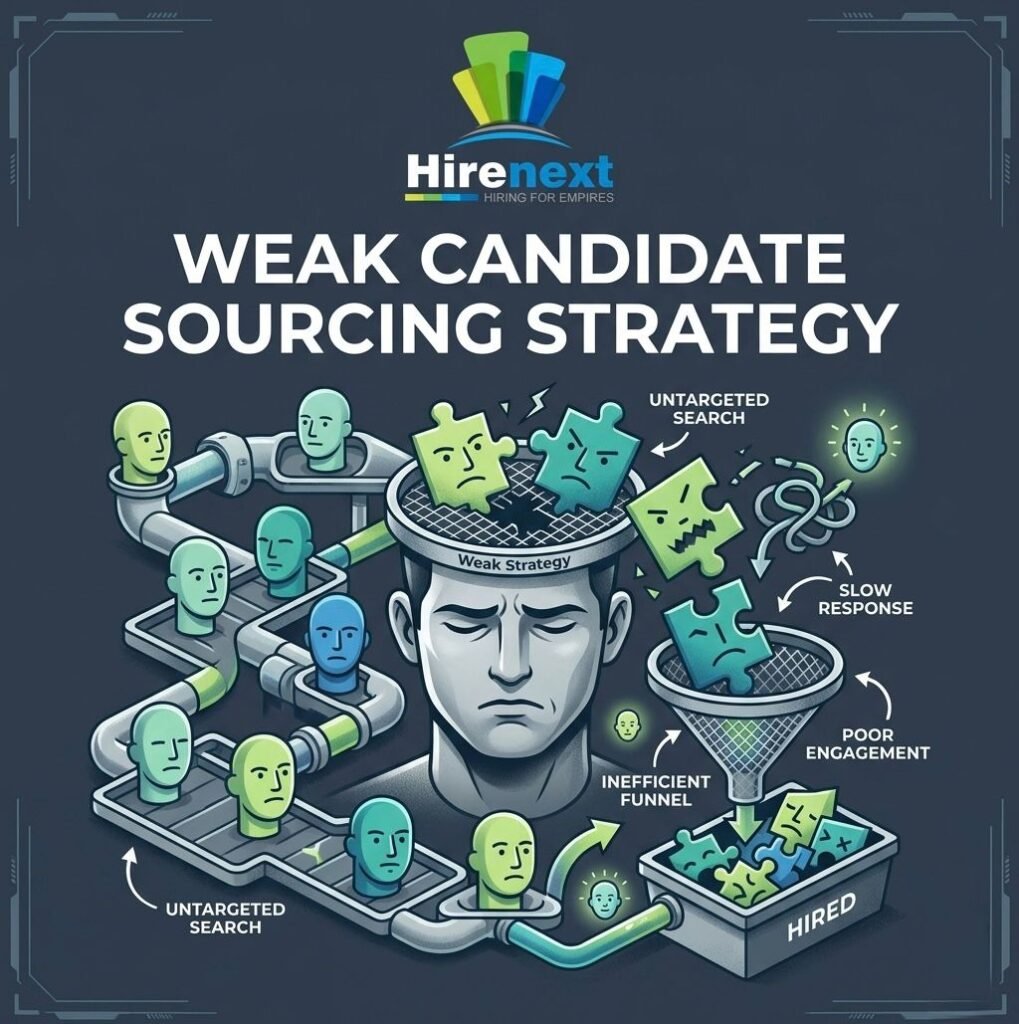
If sourcing is weak, hiring becomes difficult.
Common sourcing mistakes:
- Using only one hiring platform
- Ignoring referrals
- Lack of networking
- No talent pipeline
A strong sourcing strategy improves hiring quality and reduces recruitment process problems.
Slow Hiring Process
One of the most common recruitment process problems is slow hiring.
Delays happen because of:
- Multiple approval layers
- Long interview processes
- Delayed feedback
- Poor coordination
Top candidates often leave before the process ends.
Lack of Communication
Poor communication damages candidate experience.
Problems include:
- No updates after interviews
- Delayed responses
- Unclear next steps
Candidates lose interest when communication is weak.
Strong communication helps solve recruitment process problems.
Too Many Interview Rounds
Long interview processes frustrate candidates.
Common issues:
- Repeated questions
- Unnecessary rounds
- Delayed decisions
Too many stages increase drop-offs and hiring delays.
Reducing unnecessary rounds improves efficiency.
Interview Process Optimization
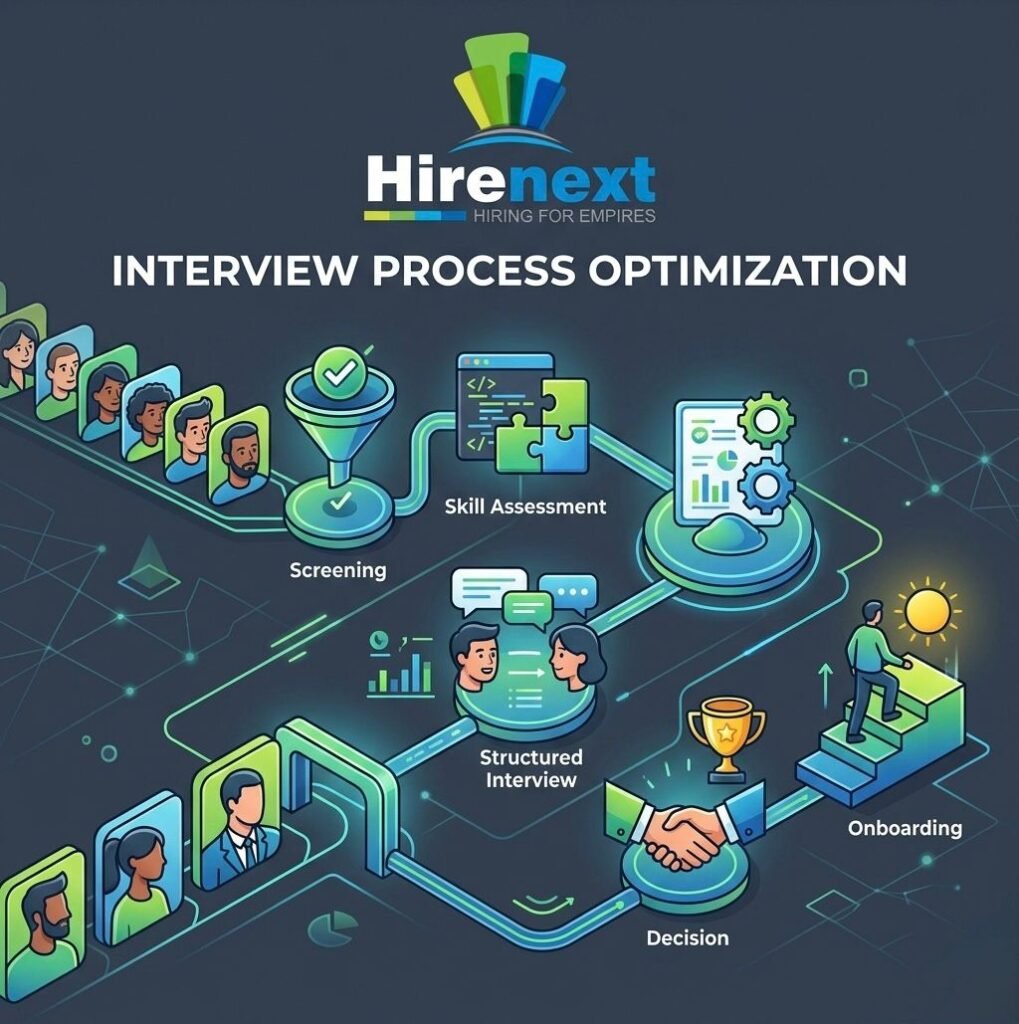
Interview process optimization is one of the most important ways to improve hiring success.
Ways to optimize interviews:
- Use structured interview formats
- Prepare role-specific questions
- Focus on skill-based evaluation
- Limit interview rounds
- Standardize evaluation criteria
Better interview systems reduce hiring mistakes and improve decision-making.
Mistakes Companies Make While Hiring
There are several common mistakes companies make while hiring.
Major mistakes include:
- Hiring too quickly without evaluation
- Hiring too slowly
- Ignoring cultural fit
- Depending only on resumes
- Not checking practical skills
- Poor interviewer training
Avoiding these mistakes improves hiring quality.
Ignoring Candidate Experience
Candidate experience affects employer reputation.
Negative experiences include:
- Unprofessional interviews
- Long delays
- Lack of transparency
A bad experience increases drop-offs and damages employer branding.
Improving candidate experience reduces recruitment process problems.
Lack of Employer Branding
Employer branding influences hiring success.
If candidates know nothing about your company:
- Applications decrease
- Trust reduces
- Top talent avoids applying
Strong branding attracts better candidates faster.
Poor Coordination Between HR and Managers
Recruitment fails when HR and hiring managers don’t align.
Problems include:
- Delayed approvals
- Conflicting expectations
- Miscommunication
Better collaboration improves hiring speed and accuracy.
Hiring Based on Assumptions Instead of Skills
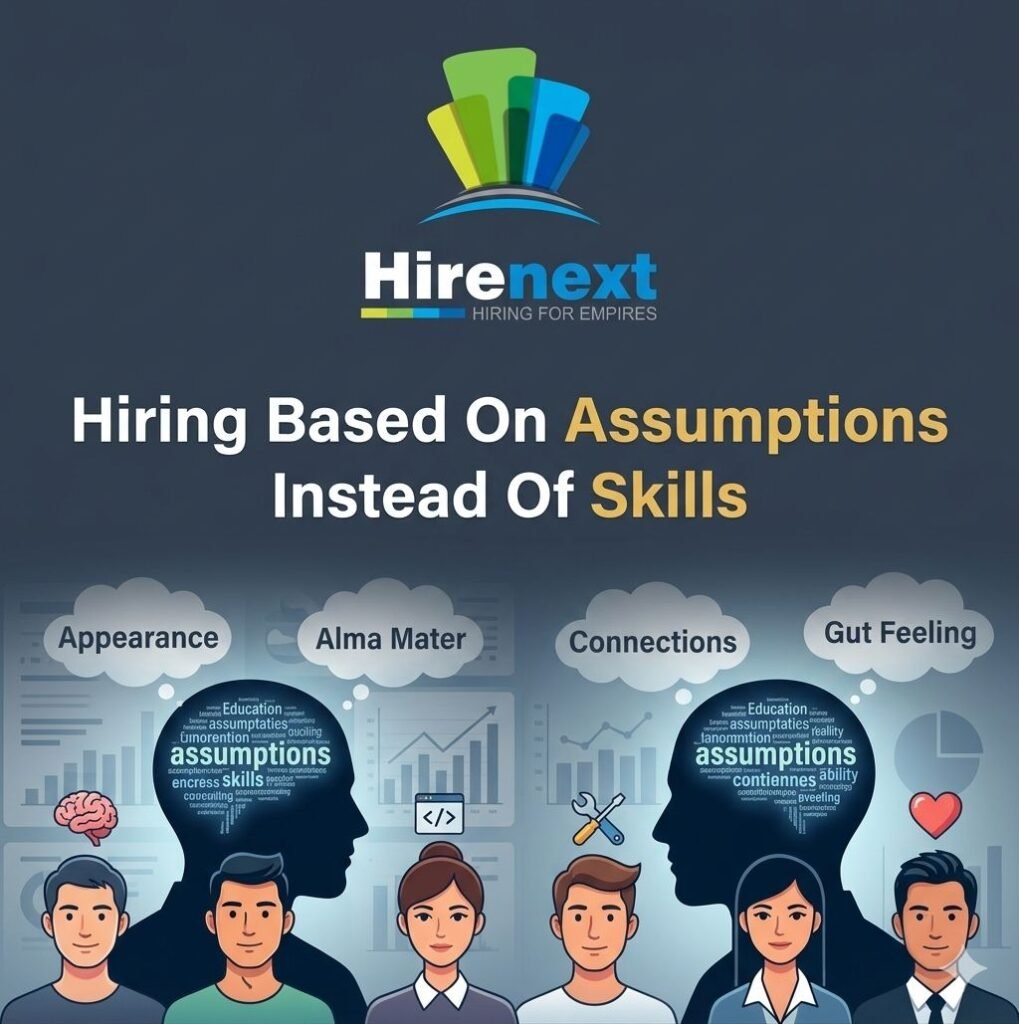
Many hiring decisions are based on impressions rather than ability.
This leads to:
- Poor performance
- Higher turnover
- Bad hiring decisions
Skill-based evaluation is essential for reducing recruitment process problems.
No Data or Hiring Metrics
Without data, companies cannot improve hiring.
Important metrics include:
- Time-to-hire
- Cost-per-hire
- Candidate drop-off rate
- Offer acceptance rate
Tracking data helps identify weak points.
Failure to Build Talent Pipeline
Companies often hire only when positions become vacant.
This reactive approach causes:
- Delays
- Hiring pressure
- Poor decisions
Building a talent pipeline improves long-term recruitment success.
Technology and Automation Issues
Manual processes slow everything down.
Problems include:
- Manual resume screening
- Poor tracking systems
- Scheduling delays
Automation tools improve hiring speed and efficiency.
How to Fix Recruitment Process Problems
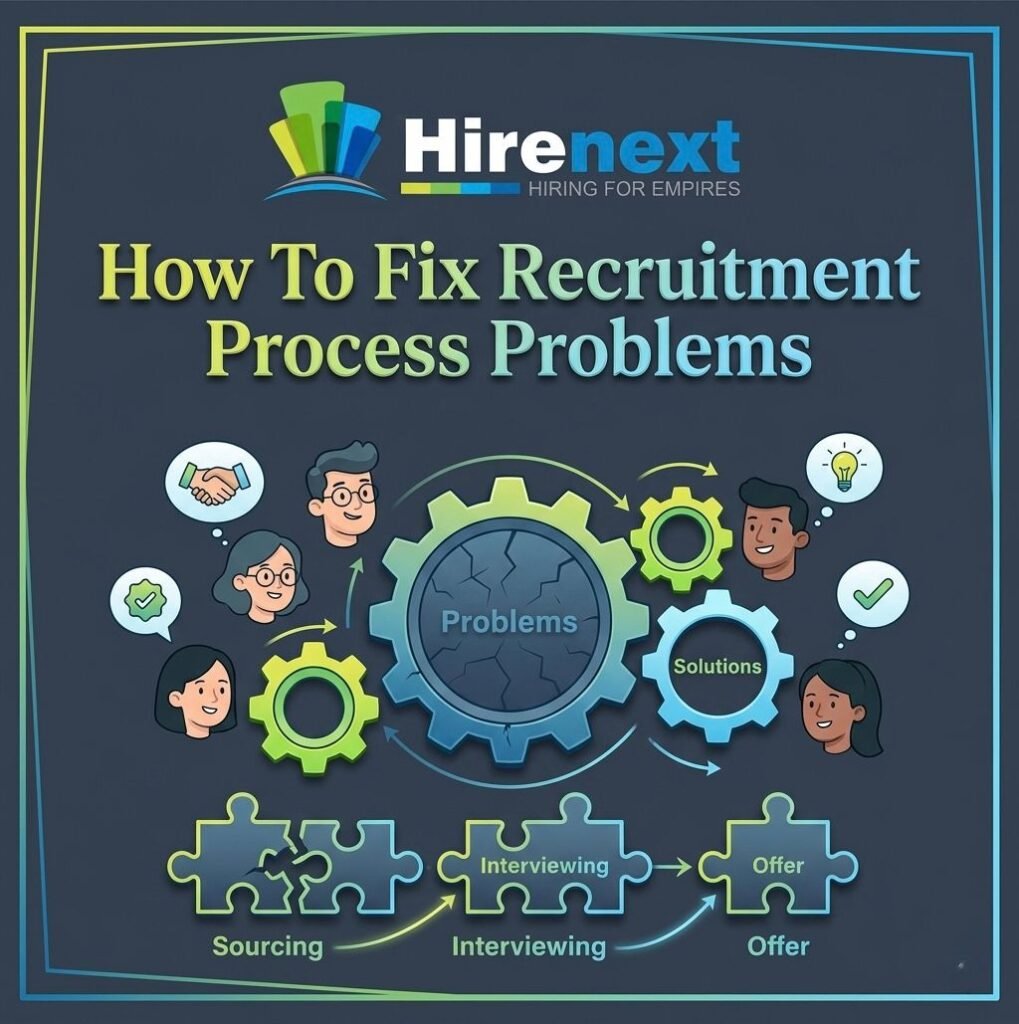
To solve recruitment process problems, companies should:
Improve job clarity
Optimize interview process
Reduce delays
Strengthen communication
Use technology
Build talent pipelines
Focus on candidate experience
Fixing these areas creates a stronger hiring system.
Best Practices for Better Hiring
Successful companies follow structured hiring practices.
Best practices include:
- Clear hiring timelines
- Skill-based assessments
- Fast communication
- Structured interviews
- Strong sourcing strategy
Consistency is the key to recruitment success.
Long-Term Recruitment Strategy
Hiring should be treated as a long-term business strategy.
Focus on:
- Employer branding
- HR training
- Recruitment automation
- Candidate relationships
- Workforce planning
Long-term thinking reduces future recruitment process problems.
Conclusion
Hiring failure is rarely caused by a lack of candidates. Most of the time, the real issue lies in hidden recruitment process problems that companies ignore.
From poor communication and weak sourcing to bad interviews and delayed decisions, every mistake affects hiring quality and business growth.
To improve recruitment success, companies must focus on:
- Better hiring strategies
- Interview process optimization
- Candidate experience
- Faster communication
- Skill-based evaluation
- Avoiding mistakes companies make while hiring
A strong hiring process is not built overnight, but with consistency and improvement, companies can attract better talent, reduce hiring delays, and build stronger teams.
Fix your hiring process today, and your organization will grow stronger tomorrow. 🚀