
How to Speed Up Hiring: Why Hiring Takes Too Long (And How to Fix It)
Hiring the right talent is one of the most critical parts of business growth. Yet, many companies struggle with long and slow hiring processes. If you’ve ever lost a good candidate or faced delays in filling positions, you’ve likely wondered why hiring takes too long and how to fix it.
The reality is, a slow hiring process doesn’t just waste time—it costs money, productivity, and opportunities. That’s why understanding how to speed up hiring is essential for every organization.
In this detailed guide, we’ll break down the real reasons behind slow hiring and provide practical strategies on how to speed up hiring effectively.
Table of Contents
- Why Hiring Speed Matters
- Why Hiring Takes Too Long and How to Fix It
- Common Hiring Process Stages
- Lack of Clear Job Requirements
- Inefficient Screening Process
- Too Many Interview Rounds
- Poor Communication Between Teams
- Delayed Decision-Making
- Candidate Drop-Off Reasons
- Weak Employer Branding
- Ineffective Job Descriptions
- Manual and Outdated Hiring Systems
- How to Speed Up Hiring: Practical Strategies
- Use Technology and Automation
- Improve Candidate Experience
- Streamline Interview Process
- Build Talent Pipeline
- Set Clear Hiring Timelines
- Role of HR and Hiring Managers
- Metrics to Track Hiring Efficiency
- Long-Term Hiring Strategy
- Conclusion
Why Hiring Speed Matters
Hiring speed directly impacts business performance.
When companies don’t focus on how to speed up hiring, they face:
- Loss of top candidates
- Increased workload on existing teams
- Reduced productivity
- Higher hiring costs
Top candidates are often hired within days, not weeks. Slow hiring means losing the best talent.
Why Hiring Takes Too Long and How to Fix It
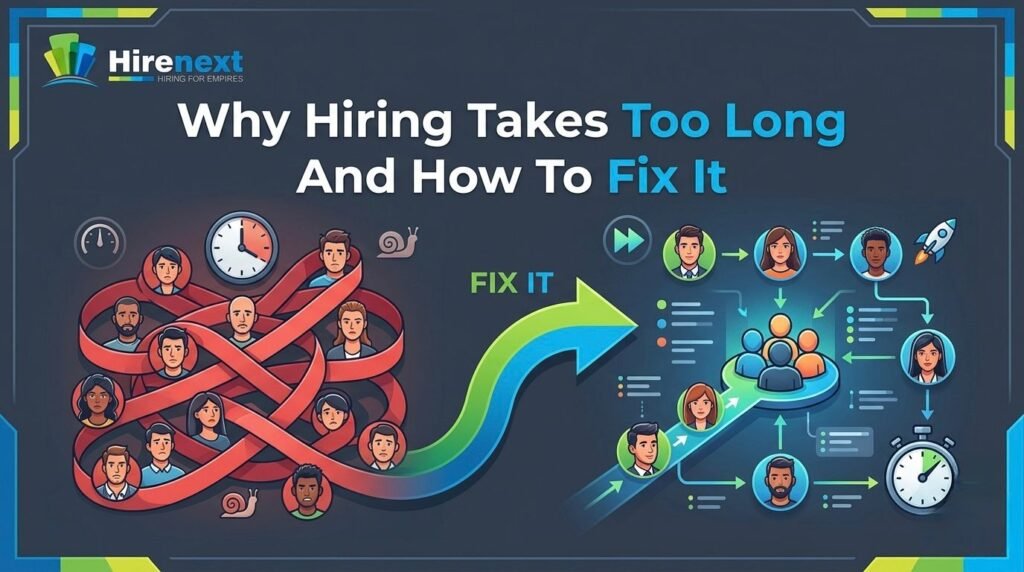
To understand how to speed up hiring, you must first understand the root causes.
Hiring delays usually happen due to:
- Unclear job roles
- Slow communication
- Too many approval layers
- Poor coordination
Fixing these issues is the first step toward improving hiring speed.
Common Hiring Process Stages
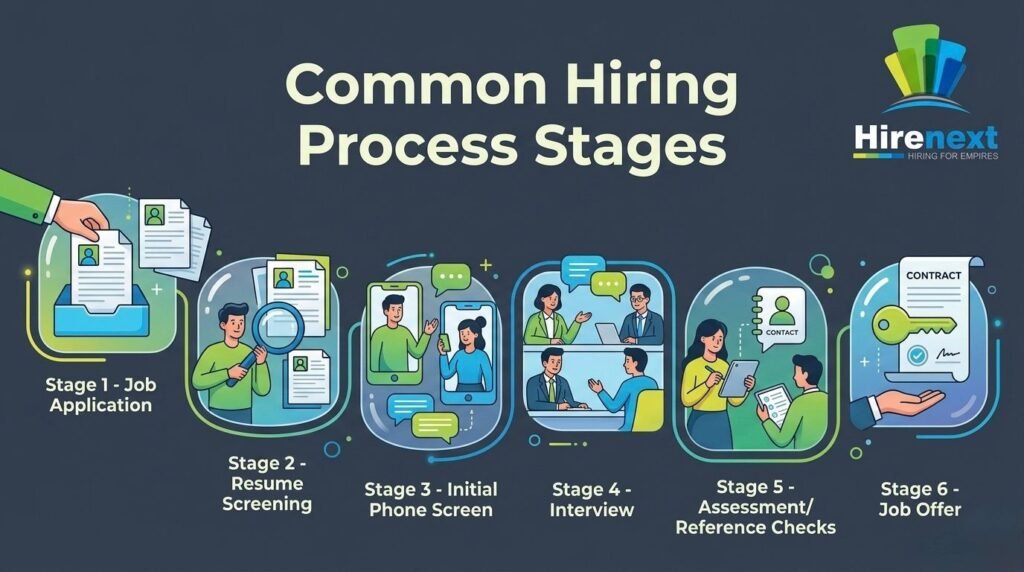
A typical hiring process includes:
- Job posting
- Resume screening
- Interviews
- Selection
- Offer stage
Delays can occur at any stage, which is why companies must optimize each step to improve how to speed up hiring.
Lack of Clear Job Requirements
One of the biggest reasons hiring slows down is unclear job roles.
Problems include:
- Vague job descriptions
- Changing requirements
- Misalignment between HR and managers
Clear requirements help reduce confusion and improve how to speed up hiring.
Inefficient Screening Process
Manual resume screening takes time and often leads to delays.
Issues include:
- Too many irrelevant applications
- No filtering system
- Lack of structured evaluation
Efficient screening is essential for how to speed up hiring.
Too Many Interview Rounds
Multiple interview rounds can slow down the process.
While evaluation is important, too many rounds:
- Increase candidate frustration
- Delay decisions
- Lead to candidate drop-offs
Reducing unnecessary rounds helps improve how to speed up hiring.
Poor Communication Between Teams
Lack of coordination between HR and hiring managers causes delays.
Problems include:
- Slow feedback
- Miscommunication
- Unclear expectations
Better communication improves how to speed up hiring significantly.
Delayed Decision-Making
Many companies delay decisions due to:
- Multiple approvals
- Lack of urgency
- Fear of wrong hiring
Fast and confident decision-making is key to how to speed up hiring.
Candidate Drop-Off Reasons
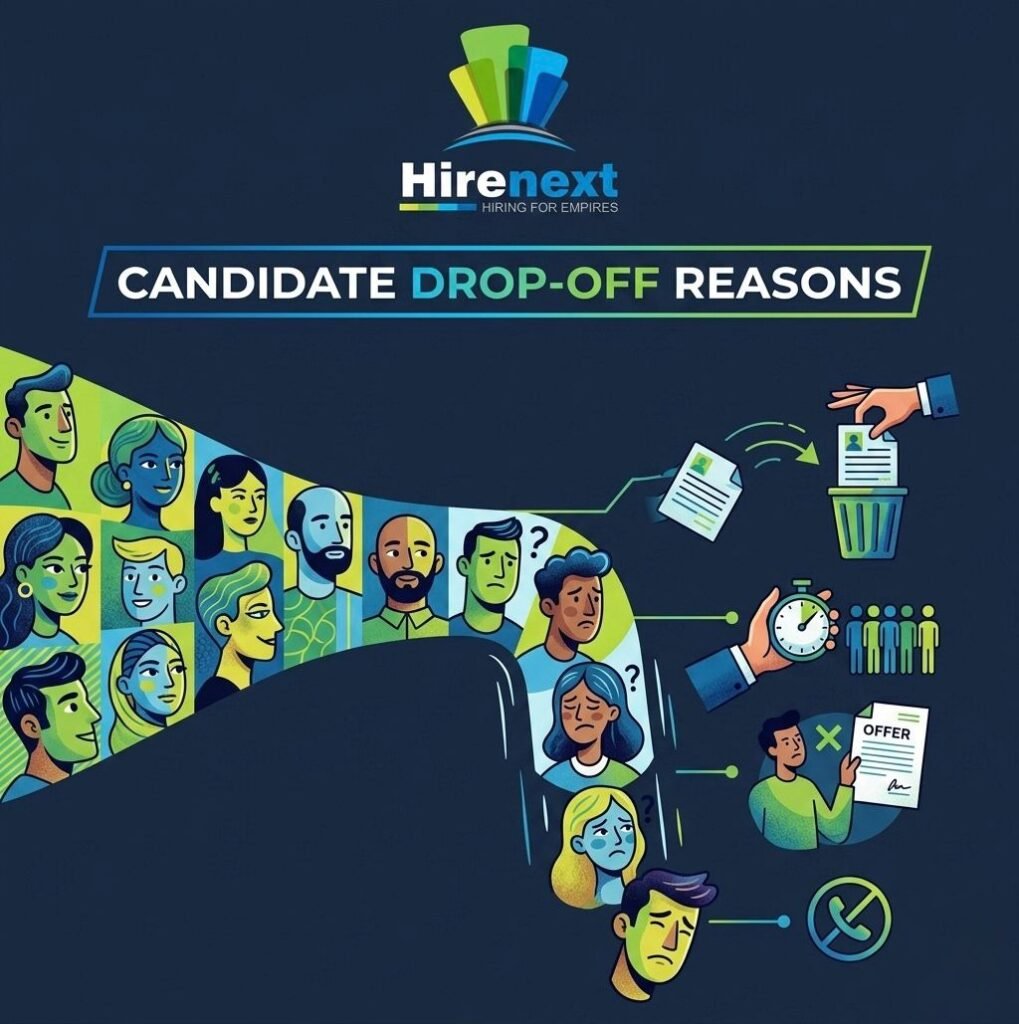
One of the biggest hidden problems in hiring is candidate drop-off. Many companies focus only on attracting candidates but ignore why they leave the process midway. If you truly want to understand how to speed up hiring, you must identify and fix these drop-off points.
1. Slow Response Time
Top candidates don’t wait. If your response is delayed:
- Candidates lose interest
- They accept other offers
- Your company appears unprofessional
Fix:
Respond quickly after each stage. Even a simple update like “We’re reviewing your profile” keeps candidates engaged.
2. Too Many Interview Rounds
Long hiring processes frustrate candidates.
- Multiple rounds increase fatigue
- Candidates feel the process is unnecessary
- They start exploring other options
Fix:
Limit interviews to 2–3 structured rounds. Combine evaluation stages where possible to improve how to speed up hiring.
3. Lack of Communication
Poor communication creates uncertainty.
- Candidates don’t know their status
- They feel ignored
- Trust reduces
Fix:
Maintain clear and regular communication. Share timelines, next steps, and feedback whenever possible.
4. Better Offers from Competitors
In a competitive market, candidates often receive multiple offers.
- Faster companies win
- Higher-paying offers attract attention
- Delays increase risk of losing talent
Fix:
Speed up decision-making and offer competitive packages.
5. Poor Candidate Experience
A negative experience can push candidates away.
- Unprofessional interviews
- Lack of respect
- Confusing process
Fix:
Create a smooth and respectful hiring journey. A positive experience directly supports how to speed up hiring.
Understanding these candidate drop-off reasons is essential. Reducing drop-offs not only saves time but also improves hiring efficiency.
Weak Employer Branding
Employer branding plays a huge role in hiring speed. If candidates don’t find your company attractive, the process naturally slows down.
Why Employer Branding Matters
Strong branding helps you:
- Attract better candidates
- Reduce hiring time
- Increase trust
Without strong branding, candidates hesitate or delay decisions.
Signs of Weak Employer Branding
- Low response to job postings
- Candidates asking too many basic questions
- High drop-off rate
- Negative reviews online
How to Improve Employer Branding
- Build Online Presence
Share company culture, achievements, and employee experiences on platforms like LinkedIn. - Highlight Growth Opportunities
Candidates want to know:
- Career growth
- Learning opportunities
- Work environment
- Maintain Transparency
Clear communication about roles, salary, and expectations builds trust.
Strong branding directly improves how to speed up hiring by attracting the right candidates faster.
Ineffective Job Descriptions
A poorly written job description can slow down the hiring process significantly.
Common Problems
- Vague responsibilities
- Too many unrealistic requirements
- Lack of clarity
This attracts the wrong candidates and increases screening time.
How to Write Effective Job Descriptions
- Be Clear and Specific
Mention:
- Role responsibilities
- Required skills
- Expected outcomes
- Avoid Overloading Requirements
Focus on must-have skills instead of listing everything. - Use Simple Language
Clarity improves application quality.
A strong job description is a key step in improving how to speed up hiring.
Manual and Outdated Hiring Systems
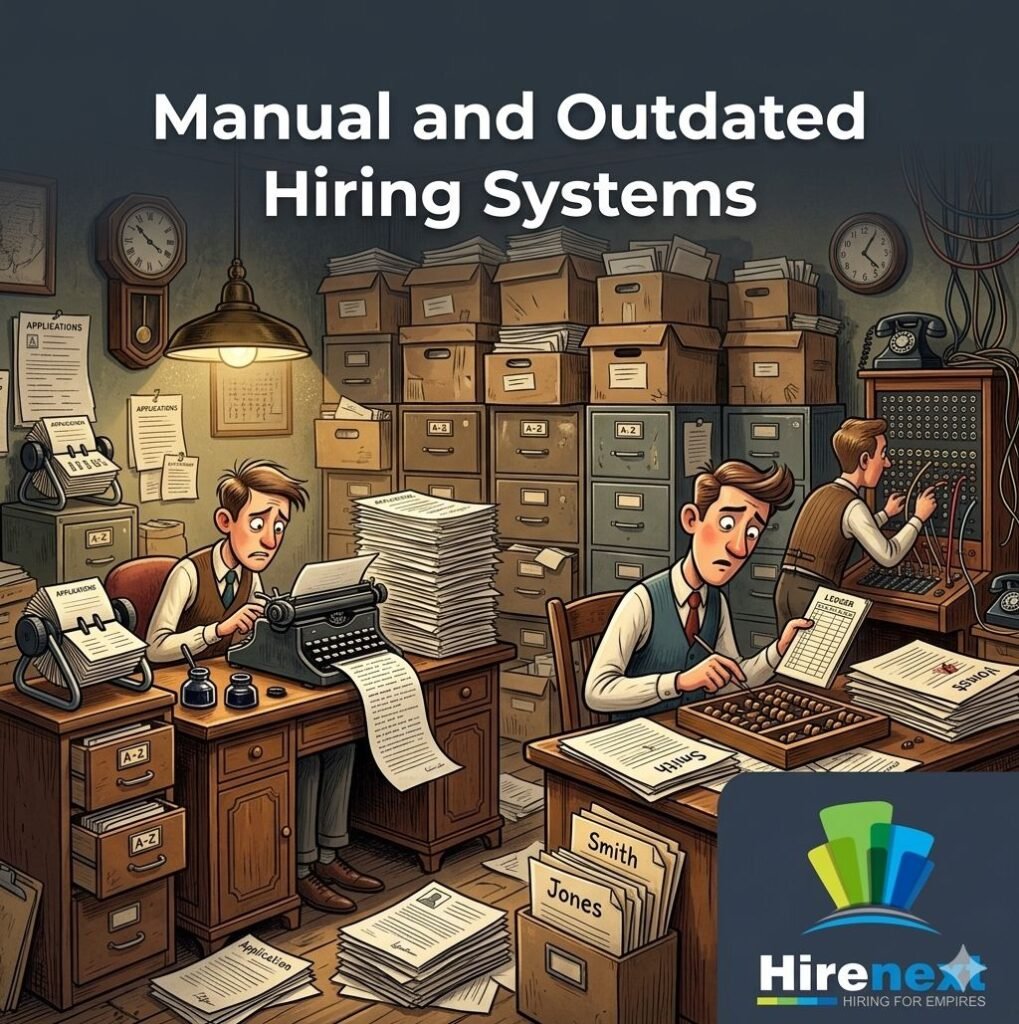
Many companies still rely on manual processes, which slows everything down.
Problems with Manual Systems
- Time-consuming resume screening
- Poor candidate tracking
- Missed follow-ups
Benefits of Using Technology
- Automation Tools
- Filter resumes quickly
- Schedule interviews automatically
- Applicant Tracking Systems (ATS)
- Track candidate progress
- Organize data efficiently
- Data Analytics
- Identify delays
- Improve decision-making
Technology plays a major role in improving how to speed up hiring.
How to Speed Up Hiring: Practical Strategies
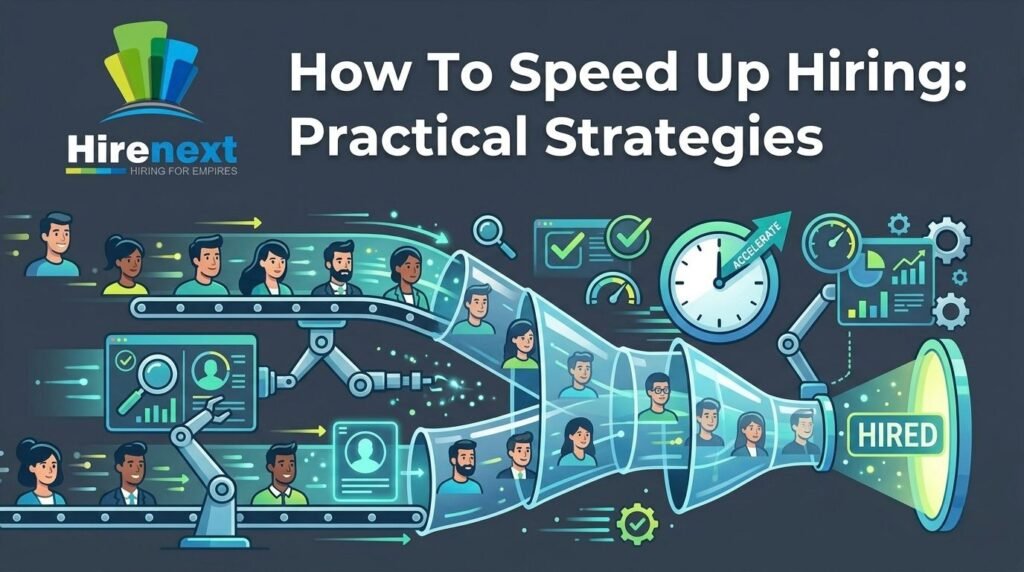
To truly improve hiring speed, companies must take a structured approach.
1. Simplify the Hiring Process
- Remove unnecessary steps
- Reduce approvals
- Keep the process clear
2. Improve Communication
- Quick responses
- Clear updates
- Defined timelines
3. Set Expectations Early
- Define role requirements
- Align HR and managers
- Avoid confusion
4. Act Quickly
- Schedule interviews faster
- Provide quick feedback
- Make decisions promptly
These strategies form the foundation of how to speed up hiring.
Use Technology and Automation
Technology is one of the fastest ways to improve hiring speed.
Key Tools
- Resume screening software
- Interview scheduling tools
- AI-based matching systems
Benefits
- Saves time
- Reduces manual work
- Improves accuracy
Using automation effectively can significantly improve how to speed up hiring.
Improve Candidate Experience
Candidate experience directly impacts hiring success.
What Candidates Expect
- Quick communication
- Respectful interaction
- Clear process
How to Improve Experience
- Send timely updates
- Provide feedback
- Keep the process simple
A better experience reduces drop-offs and improves how to speed up hiring.
Streamline Interview Process
Interviews should be efficient, not exhausting.
Tips
- Limit rounds
- Use structured questions
- Evaluate effectively
Benefits
- Faster decisions
- Better candidate experience
- Reduced delays
Streamlining interviews is essential for how to speed up hiring.
Build Talent Pipeline
A talent pipeline helps you hire faster.
How to Build It
- Maintain candidate database
- Stay connected with past applicants
- Engage with potential candidates
Benefits
- Faster hiring
- Reduced dependency on job postings
A strong pipeline supports long-term how to speed up hiring.
Set Clear Hiring Timelines
Without timelines, processes slow down.
Define Timelines For:
- Resume screening
- Interviews
- Final decision
Benefits
- Accountability
- Faster decisions
- Better coordination
Clear timelines improve efficiency in how to speed up hiring.
Role of HR and Hiring Managers
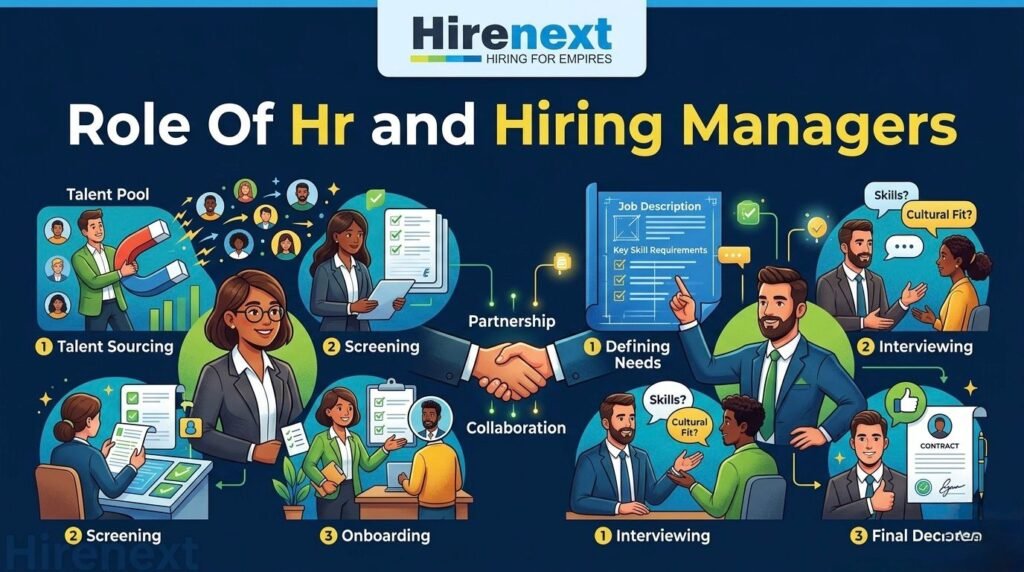
Coordination between HR and hiring managers is crucial.
Responsibilities
- HR: Screening, coordination
- Manager: Final evaluation
Best Practices
- Align expectations
- Share feedback quickly
- Communicate clearly
Strong collaboration improves how to speed up hiring.
Metrics to Track Hiring Efficiency
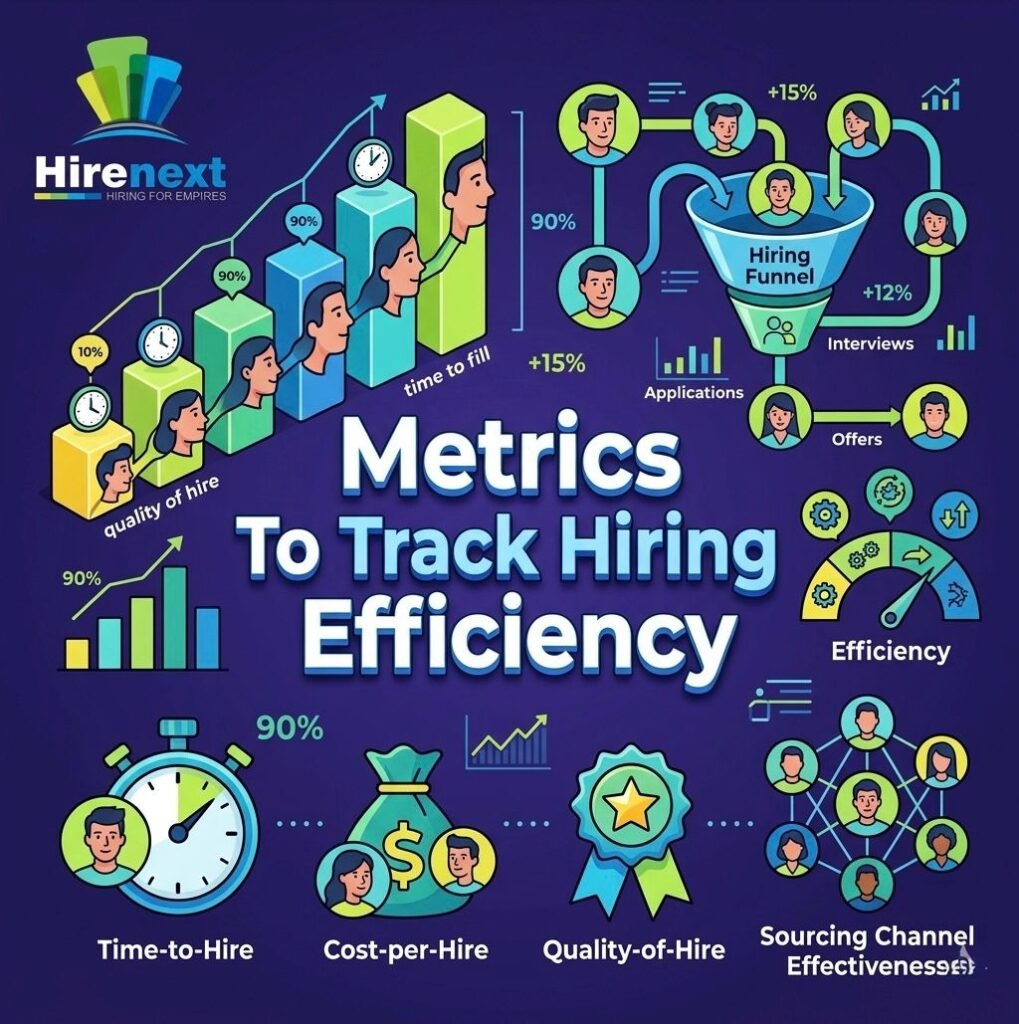
Tracking metrics helps improve hiring.
Key Metrics
- Time to hire
- Cost per hire
- Candidate drop-off rate
Why Metrics Matter
- Identify delays
- Improve strategy
- Measure success
Data-driven decisions enhance how to speed up hiring.
Long-Term Hiring Strategy
Short-term fixes are not enough. You need a long-term plan.
Focus On
- Employer branding
- Technology adoption
- Team training
- Continuous improvement
Benefits
- Consistent hiring speed
- Better candidate quality
- Stronger workforce
A long-term approach ensures sustainable improvement in how to speed up hiring.
Conclusion
Hiring delays are common, but they are not unavoidable. With the right strategy, you can fix the process and improve efficiency.
To master how to speed up hiring, focus on:
- Reducing candidate drop-off reasons
- Improving communication
- Using technology
- Streamlining processes
- Building strong employer branding
Remember, hiring is not just about filling positions—it’s about doing it quickly and effectively.
When you truly understand how to speed up hiring, you create a competitive advantage, attract top talent, and build a stronger organization.
Start optimizing today, and transform your hiring process into a faster, smarter system.