
How to Build a Strong Hiring Pipeline: Complete Guide to a Strong Hiring Process
Hiring the right talent consistently is one of the biggest challenges for any organization. Companies that struggle with unplanned recruitment often face delays, poor-quality hires, and higher costs. The solution lies in building a strong hiring process that ensures a steady flow of qualified candidates.
A well-structured pipeline is not just about filling vacancies—it’s about creating a system where hiring becomes predictable, efficient, and scalable. In this guide, you’ll learn how to create recruitment pipeline step by step, improve your candidate sourcing strategy, and develop a long-term strong hiring process that works.
Table of Contents
- What is a Hiring Pipeline?
- Why a Strong Hiring Process Matters
- Key Components of a Hiring Pipeline
- How to Create Recruitment Pipeline Step by Step
- Define Hiring Needs Clearly
- Build a Candidate Sourcing Strategy
- Use Multiple Sourcing Channels
- Build Talent Pools for Future Hiring
- Improve Employer Branding
- Automate Recruitment Process
- Screen Candidates Effectively
- Improve Candidate Experience
- Strengthen Interview Process
- Use Data and Hiring Metrics
- Reduce Time-to-Hire
- Common Hiring Pipeline Mistakes
- Best Practices for Strong Hiring Process
- Long-Term Recruitment Strategy
- Conclusion
What is a Hiring Pipeline?
A hiring pipeline is a structured process that helps companies manage candidates from sourcing to final selection. It ensures that there is always a pool of qualified candidates ready for current and future job openings.
A well-designed pipeline supports a strong hiring process by reducing delays and improving hiring quality.
Why a Strong Hiring Process Matters
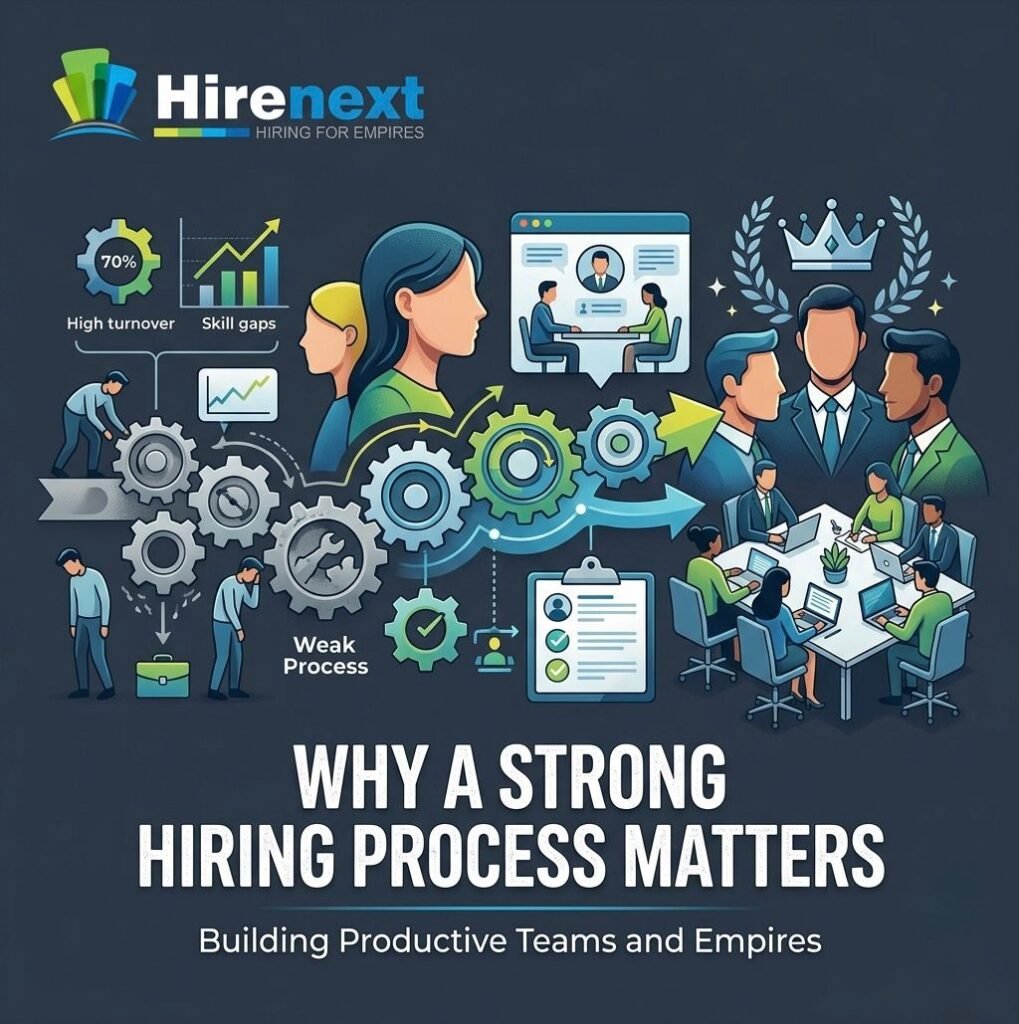
A strong hiring process is important because it:
- Reduces hiring time
- Improves quality of hires
- Ensures consistent recruitment
- Lowers hiring costs
- Builds better workforce planning
Without a structured system, recruitment becomes reactive instead of strategic.
Key Components of a Hiring Pipeline
A successful pipeline includes:
- Job planning
- Candidate sourcing
- Screening and evaluation
- Interviewing
- Selection and onboarding
Each stage contributes to building a strong hiring process that delivers consistent results.
How to Create Recruitment Pipeline Step by Step
To understand how to create recruitment pipeline step by step, follow this structure:
Step 1: Identify hiring needs
Step 2: Build sourcing strategy
Step 3: Attract candidates
Step 4: Screen applications
Step 5: Conduct interviews
Step 6: Select and onboard
This step-by-step approach ensures a smooth strong hiring process.
Define Hiring Needs Clearly
Clear job requirements are the foundation of recruitment.
- Define roles and responsibilities
- Identify required skills
- Set expectations with managers
Unclear requirements lead to poor hiring decisions and weaken the strong hiring process.
Build a Candidate Sourcing Strategy

A strong candidate sourcing strategy ensures a continuous flow of talent.
- Use job portals
- Leverage social media
- Tap into employee referrals
- Build talent communities
A strong sourcing plan supports a stable strong hiring process.
Use Multiple Sourcing Channels
Relying on one platform is not enough.
Use:
- Job boards
- Internships
- Campus hiring
- Networking events
Multiple channels strengthen your recruitment pipeline.
Build Talent Pools for Future Hiring
Don’t wait for vacancies to start hiring.
- Maintain candidate database
- Keep past applicants engaged
- Build pre-screened talent pools
This ensures faster hiring and a strong hiring process.
Improve Employer Branding
A strong employer brand attracts better candidates.
- Share company culture
- Highlight employee experiences
- Maintain online presence
Better branding improves pipeline quality.
Automate Recruitment Process
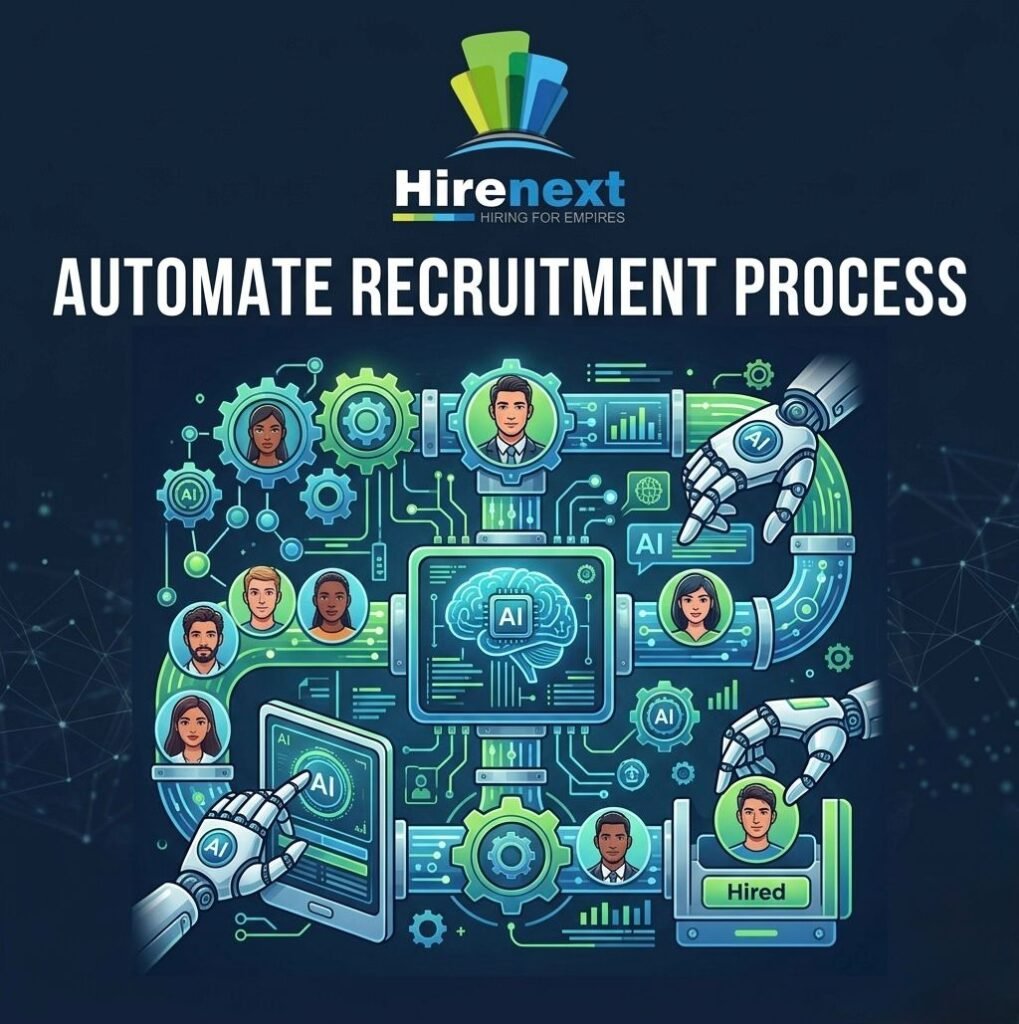
Automation makes hiring faster and efficient.
- Resume screening tools
- Applicant tracking systems
- Interview scheduling tools
Automation supports a scalable strong hiring process.
Screen Candidates Effectively
Efficient screening improves hiring accuracy.
- Use structured criteria
- Filter based on skills
- Reduce irrelevant applications
Better screening strengthens the hiring pipeline.
Improve Candidate Experience
Candidate experience impacts hiring success.
- Quick responses
- Clear communication
- Transparent process
A positive experience supports a strong hiring process.
Strengthen Interview Process
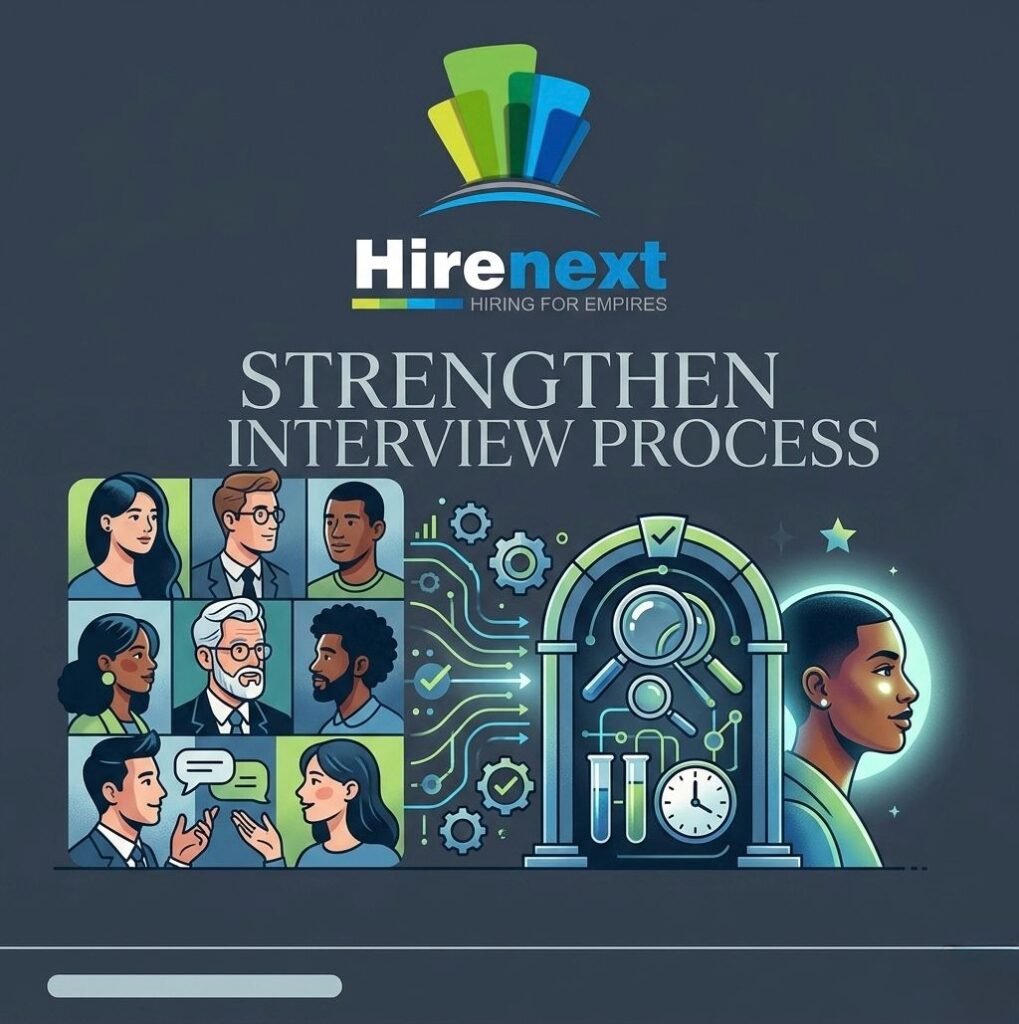
A weak interview process is one of the biggest reasons hiring becomes slow, inconsistent, and inaccurate. Even if you have a strong sourcing strategy and a good talent pool, poor interviews can break the entire recruitment flow. That’s why improving this stage is essential for building a strong hiring process.
1. Use a Structured Interview Format
Unstructured interviews often depend on personal judgment, which leads to bias and inconsistency.
To improve structure:
- Prepare a fixed set of questions for every candidate
- Focus on job-related skills only
- Use the same evaluation criteria for all candidates
This ensures fairness and improves decision-making quality.
A structured approach directly supports a strong hiring process because it reduces confusion and increases accuracy.
2. Focus on Skill-Based Evaluation
Many companies still rely heavily on resumes instead of actual skills. This leads to wrong hires.
Instead:
- Ask situational questions
- Give practical tasks or case studies
- Test real-world problem-solving ability
For example, instead of asking “What is SEO?”, ask candidates to optimize a sample webpage.
Skill-based hiring improves quality and strengthens the strong hiring process significantly.
3. Reduce Unnecessary Interview Rounds
Too many interview rounds slow down hiring and frustrate candidates.
Common issues:
- Repeating the same questions
- Delayed feedback
- Candidate drop-offs
To fix this:
- Limit interviews to 2–3 rounds
- Combine evaluation stages when possible
- Ensure each round has a clear purpose
A faster process improves both candidate experience and the strong hiring process.
4. Involve the Right Interviewers
Interview quality depends on who is taking it.
Ensure:
- Only relevant team members are involved
- Interviewers understand the role clearly
- Decision-makers are included in final rounds
When the right people evaluate candidates, hiring becomes more accurate and aligned with business needs.
This strengthens the overall strong hiring process by improving quality control.
5. Standardize Evaluation Criteria
One major problem in hiring is subjective evaluation.
To avoid this:
- Use scoring sheets or rating systems
- Define clear criteria like skills, communication, and experience
- Compare candidates objectively
Standardization removes bias and improves fairness in hiring decisions.
6. Give Quick and Clear Feedback
Delayed feedback is one of the biggest reasons good candidates drop out.
Best practices:
- Share feedback within 24–48 hours
- Be clear about next steps
- Communicate rejections professionally
Fast feedback keeps candidates engaged and supports a smooth strong hiring process.
7. Train Interviewers Regularly
Not all managers are good interviewers by default.
Training should include:
- How to ask structured questions
- How to avoid bias
- How to evaluate skills fairly
Well-trained interviewers make better decisions and improve hiring consistency.
Final Impact of a Strong Interview Process
When interviews are structured, fast, and skill-focused, companies:
- Hire better candidates
- Reduce time-to-hire
- Improve candidate experience
- Avoid bad hires
Ultimately, a strong interview system is one of the most critical pillars of a strong hiring process and directly impacts long-term business success.
Use Data and Hiring Metrics
Data helps improve recruitment decisions.
Track:
- Time to hire
- Cost per hire
- Candidate conversion rate
Metrics help refine your strong hiring process.
Reduce Time-to-Hire
Speed is crucial in recruitment.
- Streamline approvals
- Improve communication
- Avoid unnecessary delays
Faster hiring improves pipeline efficiency.
Common Hiring Pipeline Mistakes
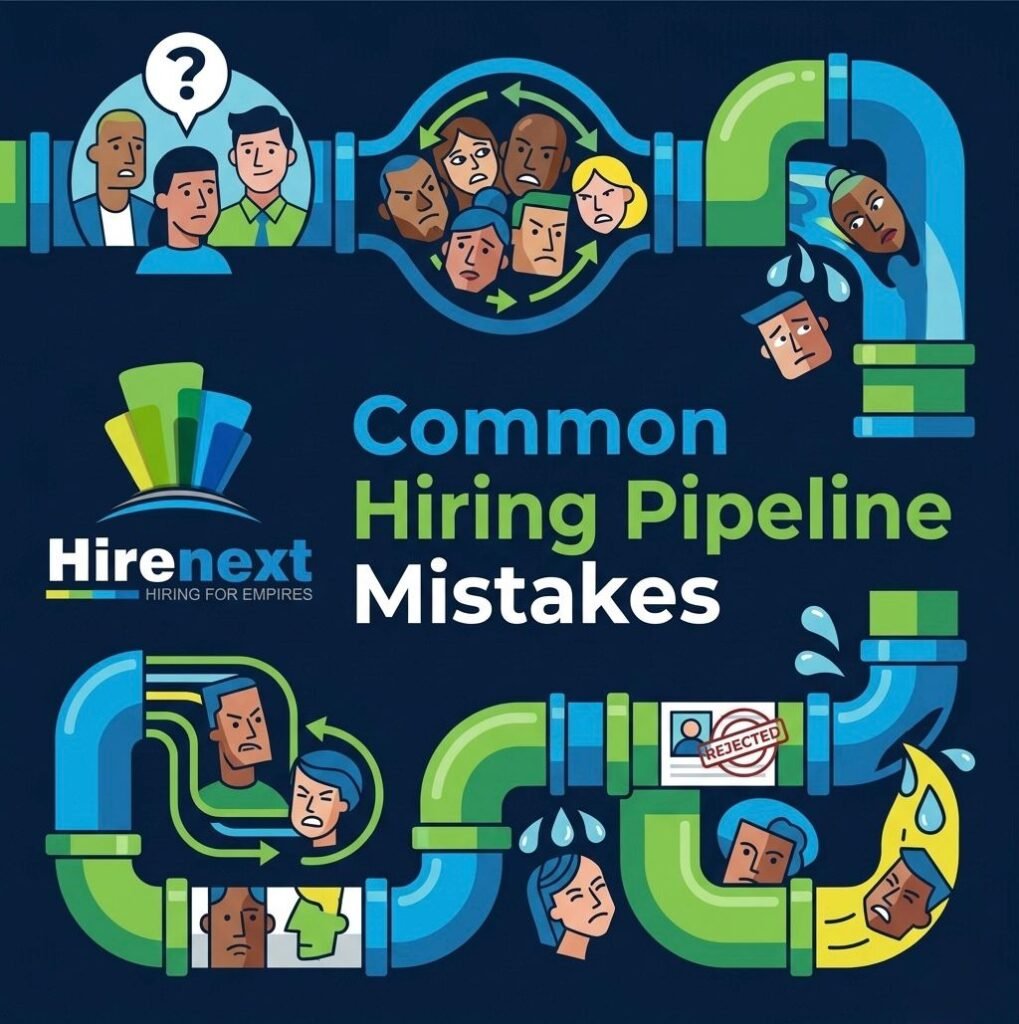
Avoid these mistakes:
- Poor job descriptions
- Slow communication
- Lack of sourcing strategy
- Overcomplicated hiring stages
These weaken your strong hiring process.
Best Practices for Strong Hiring Process
Follow these best practices:
- Keep hiring structured
- Use technology
- Maintain talent pipeline
- Focus on quality over quantity
Consistency builds a reliable recruitment system.
Long-Term Recruitment Strategy

A strong pipeline is a long-term investment.
- Build employer brand continuously
- Invest in talent relationships
- Improve hiring systems
- Train HR teams
Long-term planning ensures a sustainable strong hiring process.
Conclusion
Building a recruitment pipeline is not just about filling jobs—it’s about creating a system that consistently delivers the right talent at the right time.
When you focus on how to create recruitment pipeline step by step, you build a structured and efficient system that supports long-term success.
A well-designed pipeline improves sourcing, screening, and hiring quality while reducing delays and costs. In the end, a strong hiring process helps organizations stay competitive and grow faster.
Focus on:
- Clear job planning
- Strong sourcing strategy
- Better candidate experience
- Efficient screening
- Data-driven decisions
A strong pipeline is not built overnight, but with consistency, it becomes one of the most powerful assets of any organization.