
How to Handle Interview Rejection Like a Pro
Introduction
Getting rejected after an interview can feel disappointing, frustrating, and even demotivating. But the truth is, rejection is a part of every successful career journey. Learning how to handle interview rejection like a pro can completely change your career trajectory.
Instead of seeing rejection as failure, it should be viewed as feedback and a stepping stone toward improvement. In this blog, you’ll learn how to handle interview rejection effectively, how to improve after interview rejection, and practical interview improvement tips that will help you succeed in your next opportunity.
Table of Contents
- Introduction
- Why Interview Rejection Happens
- Common Emotional Reactions to Rejection
- How to Handle Interview Rejection Professionally
- The Right Way to Respond After Rejection
- How to Ask for Feedback (With Examples)
- How to Improve After Interview Rejection
- Interview Improvement Tips That Actually Work
- Mistakes to Avoid After Getting Rejected
- Turning Rejection into Opportunity
- Real-Life Mindset Shift for Success
- Signs You Were Close to Getting Selected
- What Recruiters Actually Think After Rejecting You
- Should You Apply Again to the Same Company?
- How Long Should You Wait Before Moving On?
- Building a Stronger Profile After Rejection
- Confidence Comeback Strategy
- How Many Rejections Are Normal?
- Smart Follow-Up Strategy (Without Looking Desperate)
- Hidden Opportunities After Rejection
- Final Action Plan (Step-by-Step)
- Conclusion
Why Interview Rejection Happens
Before learning how to handle interview rejection, it’s important to understand why it happens. Rejection doesn’t always mean you weren’t good enough.
Here are some common reasons:
- The company found a candidate with more experience
- Cultural fit mismatch
- Budget constraints or hiring freeze
- Internal candidate selection
- Lack of specific skills required for the role
Understanding these reasons helps you handle interview rejection more rationally and avoid taking it personally.
Common Emotional Reactions to Rejection
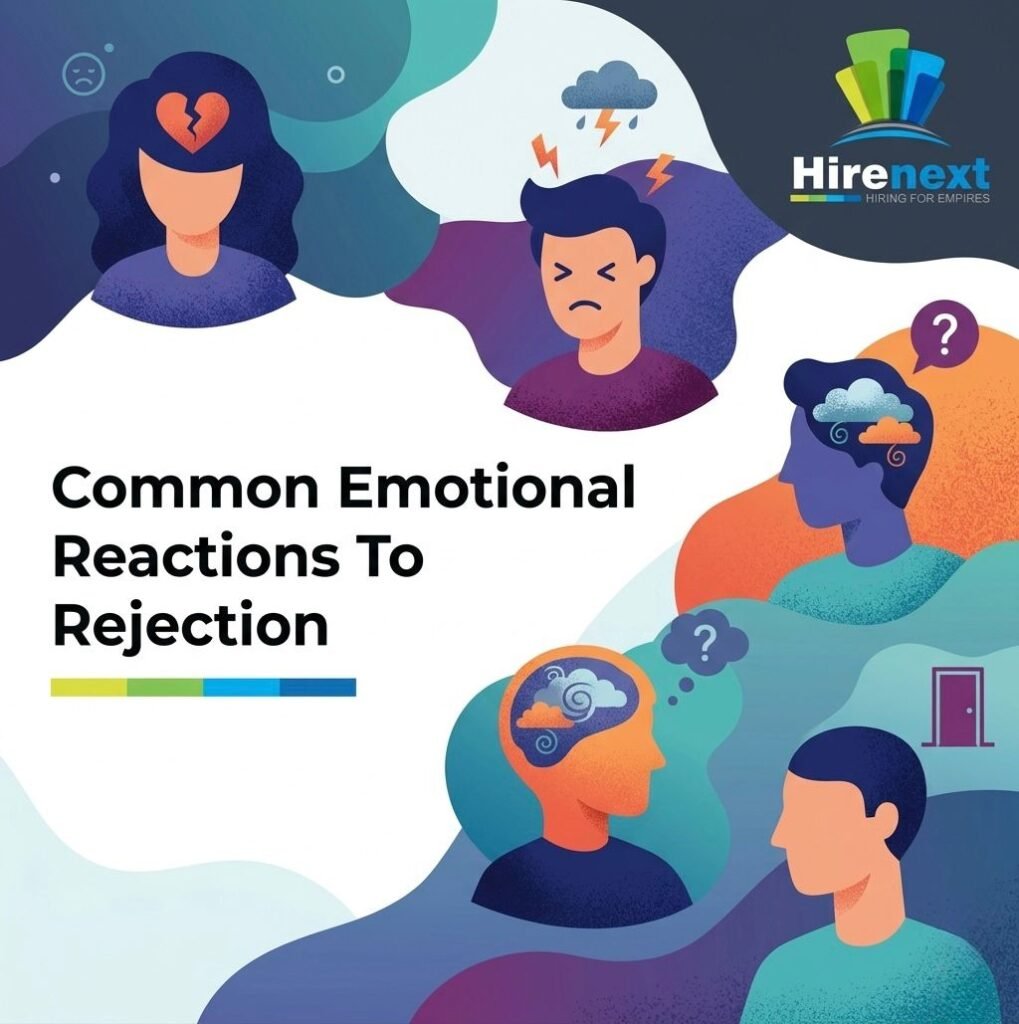
When you don’t get selected, it’s natural to feel:
- Disappointed
- Angry
- Confused
- Self-doubt
However, learning how to handle interview rejection means controlling these emotions and not letting them impact your confidence. The key is to acknowledge your feelings but not let them define your future actions.
How to Handle Interview Rejection Professionally
If you truly want to master how to handle interview rejection, follow these steps:
Stay Calm and Composed
Don’t react emotionally. Take a step back and process the situation logically.
Don’t Take It Personally
Rejection is often about fit, not capability.
Maintain Professionalism
Always respond politely to rejection emails.
Keep a Growth Mindset
Every rejection teaches something valuable.
When you consistently practice how to handle interview rejection, you build resilience and confidence.
The Right Way to Respond After Rejection
Your response matters more than you think. It leaves a lasting impression.
Sample Response:
Thank you for the opportunity to interview for the position. While I’m disappointed, I appreciate the chance to learn more about your organization. I would love to stay in touch for future opportunities.
This approach shows professionalism and maturity while practicing how to handle interview rejection effectively.
How to Ask for Feedback (With Examples)
Feedback is crucial if you want to know how to improve after interview rejection.
Example:
Thank you again for your time. If possible, I would really appreciate any feedback regarding my interview performance so I can improve further.
Not all companies respond, but when they do, it becomes a goldmine for improvement.
How to Improve After Interview Rejection
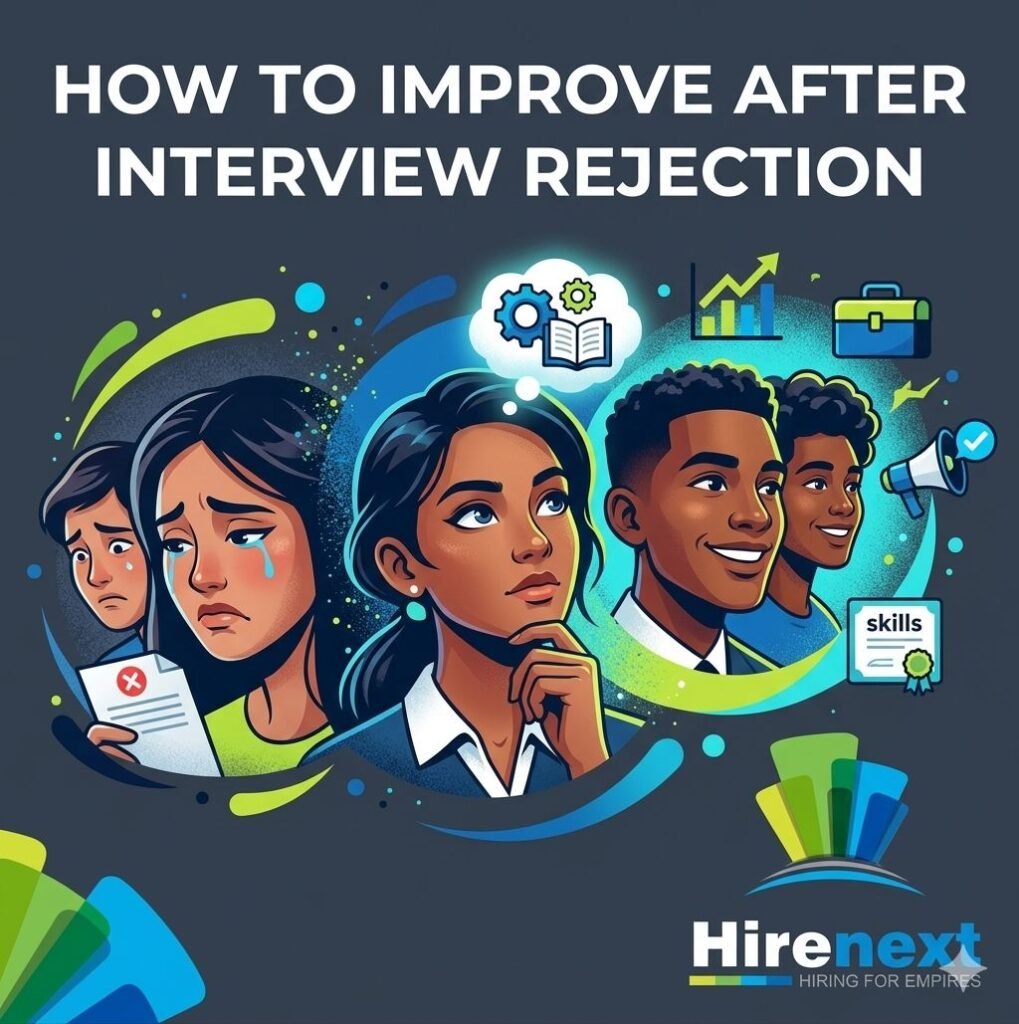
If you’re serious about growth, you must learn how to improve after interview rejection.
Here’s how:
Analyze Your Performance
Think about what went well and what didn’t.
Identify Skill Gaps
Were you lacking technical or communication skills?
Practice Mock Interviews
Simulate real interview situations.
Upgrade Your Resume
Tailor your resume for each job.
Work on Communication Skills
Confidence and clarity matter.
Learning how to improve after interview rejection is what separates average candidates from successful ones.
Interview Improvement Tips That Actually Work
Here are proven interview improvement tips:
- Research the company deeply
- Prepare common interview questions
- Use the STAR method for answers
- Maintain eye contact and body language
- Practice storytelling
- Be clear about your achievements
Applying these interview improvement tips ensures you’re better prepared next time.
Mistakes to Avoid After Getting Rejected
If you don’t know how to handle interview rejection, you may end up making these mistakes:
- Sending angry emails
- Losing confidence completely
- Stopping job applications
- Overthinking the rejection
Avoiding these mistakes is essential while learning how to handle interview rejection.
Turning Rejection into Opportunity
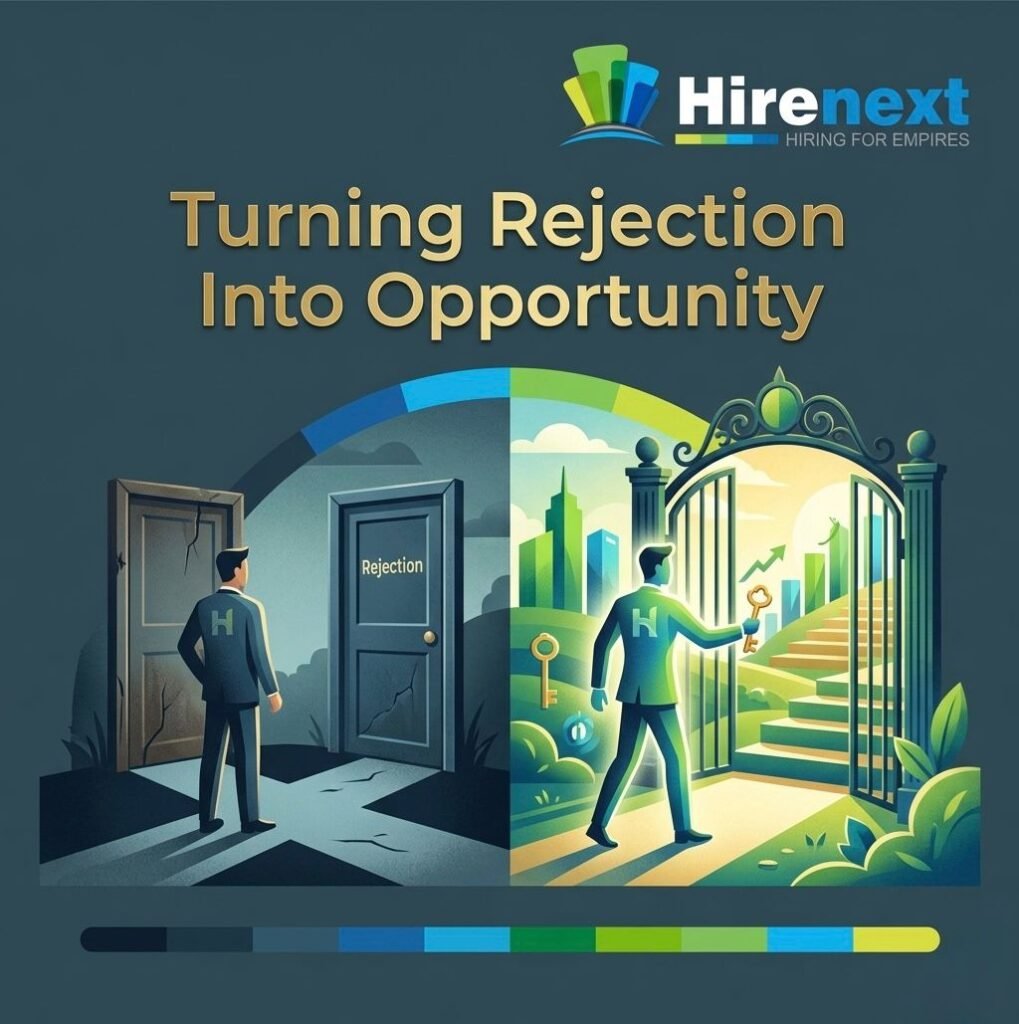
Every rejection can open new doors if handled correctly.
- Build connections with recruiters
- Improve your profile
- Explore better roles
When you master how to handle interview rejection, you start seeing opportunities instead of failures.
Real-Life Mindset Shift for Success
Successful people don’t avoid rejection—they embrace it.
Instead of thinking: “I failed”
Think: “I’m one step closer to success.”
This mindset is the core of how to handle interview rejection like a pro.
Signs You Were Close to Getting Selected (But Missed Slightly)
Many candidates assume rejection means they performed poorly—but that’s not always true. Sometimes, you were actually very close.
Here are signs you were almost selected:
- Interview lasted longer than expected
- Panel showed strong interest in your answers
- You were asked about joining timeline or salary expectations
- You reached final rounds
In such cases, understanding how to handle interview rejection becomes even more important because small improvements can lead to big success next time.
What Recruiters Actually Think After Rejecting You
Candidates often overthink rejection. But recruiters usually move on quickly due to high volume hiring.
Here’s the reality:
- Rejection is rarely personal
- You might still be considered for future roles
- Your profile may stay in their database
So instead of feeling embarrassed, focus on how to handle interview rejection in a way that keeps doors open.
Should You Apply Again to the Same Company?

Yes—but strategically.
You can reapply if:
- 3–6 months have passed
- You’ve improved your skills
- A better-suited role is available
Reapplying shows persistence—but only if you’ve worked on how to improve after interview rejection.
How Long Should You Wait Before Moving On?
Don’t wait too long.
Ideal approach:
- Wait 5–7 days after interview
- Send one follow-up
- If no response, move on
One of the biggest mistakes is getting stuck on one opportunity instead of applying to multiple roles.
Building a Stronger Profile After Rejection
Your goal should be to become an obvious choice next time.
Do this:
- Take short online courses
- Build practical projects
- Improve LinkedIn profile
- Get certifications
This is a practical way of applying how to improve after interview rejection in real life.
Confidence Comeback Strategy
Rejection can break confidence—but rebuilding it is key.
Try this:
- Apply to multiple jobs daily
- Practice speaking in front of a mirror
- Record mock interviews
- Celebrate small wins
Confidence is built through action, not waiting.
How Many Rejections Are Normal?
This is something most candidates want to know.
Reality:
- 10–20 rejections are common
- Even top candidates face rejection
So if you’re facing rejection, you’re not failing—you’re progressing.
Understanding this makes it easier to learn how to handle interview rejection without losing motivation.
Smart Follow-Up Strategy (Without Looking Desperate)
Follow-up is important—but timing matters.
Do this:
- Send one thank-you email within 24 hours
- Follow up after 5–7 days
- Keep message short and professional
Avoid multiple messages—it can hurt your image.
Hidden Opportunities After Rejection

Rejection doesn’t always mean the end.
Sometimes:
- Recruiters refer you internally
- You get contacted later for another rol
- You build valuable connections
This is why knowing how to handle interview rejection professionally can actually create unexpected opportunities.
Final Action Plan (Step-by-Step)
Here’s what you should do after every rejection:
- Accept the rejection calmly
- Send a professional reply
- Ask for feedback
- Analyze your performance
- Work on weak areas
- Apply again immediately
If you follow this consistently, you will naturally master how to handle interview rejection and improve your chances of success.
Final Words
Rejection is temporary—but growth is permanent.
Every time you face rejection, you have two choices:
- Feel defeated
- Or become better
The more you focus on how to handle interview rejection, the stronger, smarter, and more confident you become.
And eventually, that one ‘yes’ will make every ‘no’ worth it.
Conclusion
Rejection is not the end—it’s a redirection. Learning how to handle interview rejection is one of the most powerful skills you can develop in your career.
By focusing on how to improve after interview rejection and applying practical interview improvement tips, you can turn every setback into a comeback.
Remember, every ‘no’ brings you closer to the right ‘yes’. Stay consistent, stay confident, and keep growing.