
What Recruiters Notice in the First 30 Seconds of Interview
Introduction
The first few seconds of an interview can shape the entire conversation. Many job seekers focus only on answers, technical skills, and qualifications, but often forget that what recruiters notice in interview starts much earlier—sometimes before you even sit down.
Recruiters form quick impressions based on your confidence, appearance, body language, and communication style. In fact, understanding what recruiters notice in the first 30 seconds of interview can help even an average candidate create a powerful impact.
In today’s competitive job market, first impressions matter more than ever. This guide explains what recruiters notice in interview, how to impress recruiter quickly, and the exact steps you can take to increase your selection chances.
Table of Contents
- Introduction
- Why the First 30 Seconds Matter
- What Recruiters Notice in Interview Before You Speak
- Body Language Signals That Create Trust
- Dressing Tips for Interview Success
- How to Impress Recruiter Quickly with Confidence
- Your Greeting, Tone, and Voice Matter
- Eye Contact and Facial Expressions
- Common First-Impression Mistakes to Avoid
- How to Prepare Before the Interview Day
- What to Do While Waiting for Your Turn
- Online Interview First 30 Seconds Tips
- Psychological Factors Recruiters Notice
- How Average Candidates Can Still Stand Out
- Practical 7-Day First-Impression Preparation Plan
- What to Do in the First 10 Seconds After Entering
- What Recruiters Notice in Your Resume Handing Style
- How Nervous Candidates Can Still Make a Great Impression
- How to Recover If You Mess Up in the First 30 Seconds
- Smart Small Talk That Builds Connection
- The Role of Voice Confidence in First Impressions
- How Recruiters Judge Your Energy and Attitude
- Cultural Fit: The Hidden Factor
- Questions You Should Never Ask in the First 30 Seconds
- Quick Pre-Interview Mirror Checklist
- Real Confidence vs Fake Confidence
- Final Expert Tips
- Conclusion
Why the First 30 Seconds Matter

Recruiters meet many candidates in a day. They often make early judgments to decide who seems confident, serious, and suitable.
In the first 30 seconds, recruiters usually assess:
- Professionalism
- Confidence
- Communication comfort
- Attitude
- Overall presence
This is why learning what recruiters notice in interview is crucial if you want to stand out.
What Recruiters Notice in Interview Before You Speak
Even before your introduction, a recruiter starts observing you.
Key things they notice:
- How you enter the room
- Whether you smile or look tense
- Your posture
- Your handshake (if applicable)
- Whether you seem calm or nervous
These silent signals strongly influence what recruiters notice in interview and set the tone for the rest of the interaction.
Body Language Signals That Create Trust
Body language can either build trust or create doubt.
Positive signals:
- Walking in with steady pace
- Sitting upright
- Keeping shoulders relaxed
- Nodding while listening
Negative signals:
- Slouching
- Fidgeting
- Looking down constantly
- Crossing arms tightly
Strong body language improves what recruiters notice in interview right away.
Dressing Tips for Interview Success
Your appearance is one of the fastest ways to create a positive impression.
Important dressing tips for interview:
- Wear clean and ironed clothes
- Choose simple formal or smart casual wear
- Avoid overpowering perfume
- Keep grooming neat
- Wear clean footwear
Good dressing shows seriousness and respect. It positively shapes what recruiters notice in interview in the first few seconds.
How to Impress Recruiter Quickly with Confidence
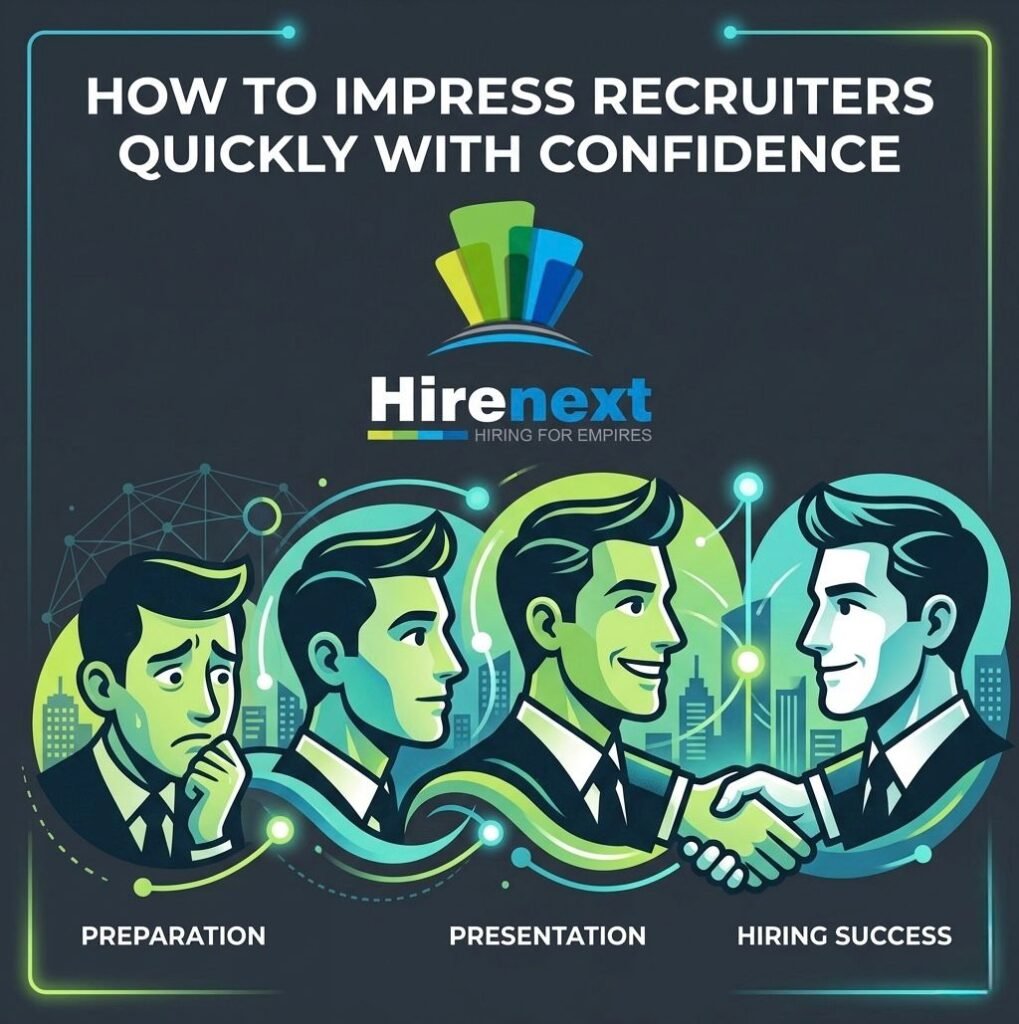
Many candidates ask how to impress recruiter quickly without sounding fake. The answer is simple: confidence with authenticity.
Quick confidence tips:
- Take deep breaths before entering
- Walk in calmly
- Greet politely
- Sit only when asked
- Speak clearly
These habits immediately improve what recruiters notice in interview.
Your Greeting, Tone, and Voice Matter
Your first words matter.
Best practices:
- Say a polite greeting
- Introduce yourself clearly
- Use a warm tone
- Avoid speaking too softly or too fast
How you greet can strongly affect what recruiters notice in interview and whether they feel comfortable with you.
Eye Contact and Facial Expressions
Eye contact shows confidence and honesty.
Tips:
- Maintain natural eye contact
- Smile genuinely
- Avoid staring aggressively
- Show attentiveness
Your face reflects your energy. Recruiters instantly pick up these cues, which impacts what recruiters notice in interview.
Common First-Impression Mistakes to Avoid
Small mistakes can ruin your chances.
Avoid:
- Reaching late
- Looking distracted
- Checking phone
- Weak greeting
- Overconfidence
- Poor grooming
Avoiding these mistakes helps improve what recruiters notice in interview from the start.
How to Prepare Before the Interview Day
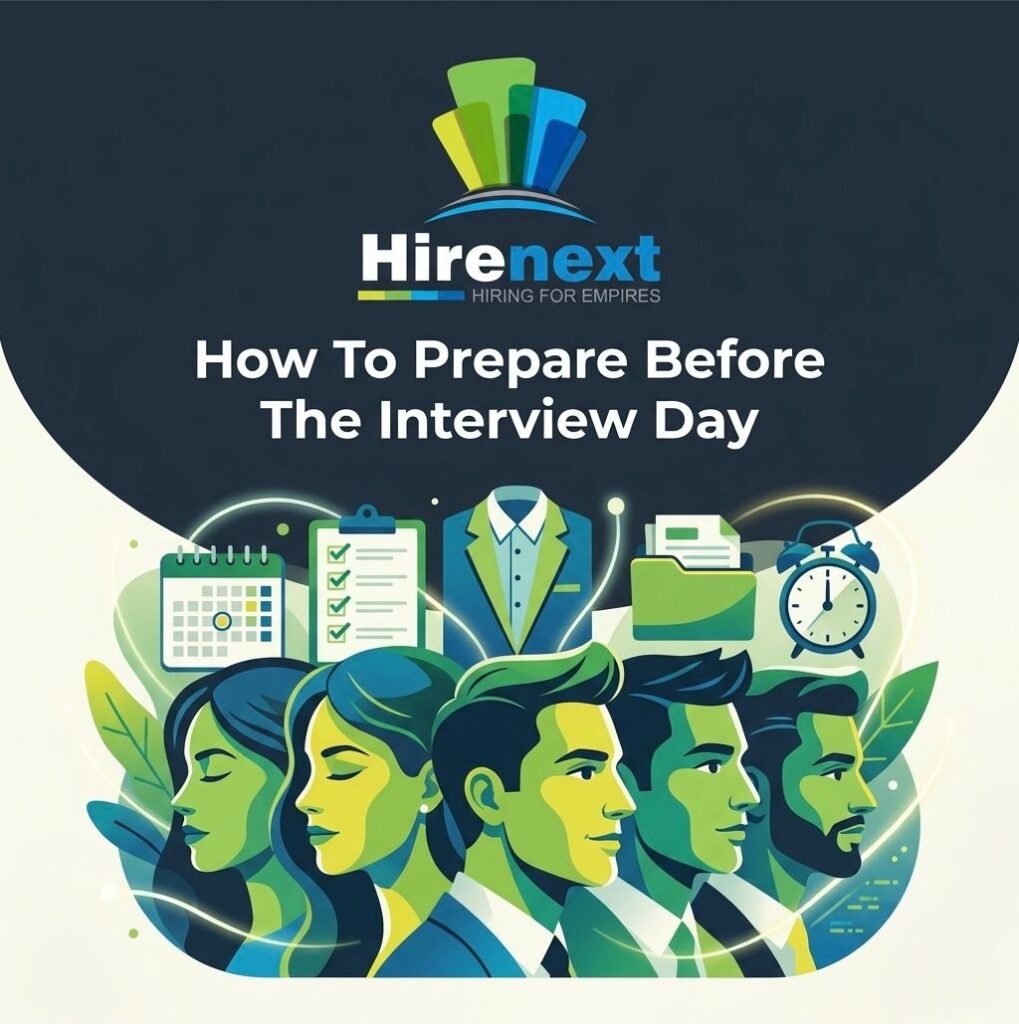
Preparation builds calmness.
What to do:
- Research company and role
- Practice introduction
- Prepare documents
- Plan travel route
- Sleep well
Prepared candidates naturally improve what recruiters notice in interview.
What to Do While Waiting for Your Turn
Your interview starts in the waiting area too.
Smart waiting-room behavior:
- Sit calmly
- Avoid negative self-talk
- Stay off unnecessary calls
- Revise mentally
Your energy before entering affects what recruiters notice in interview.
Online Interview First 30 Seconds Tips
Online interviews are now common.
First 30 seconds online:
- Join 5 minutes early
- Test audio/video
- Look into camera
- Keep clean background
- Dress professionally
Even online, what recruiters notice in interview begins instantly.
Psychological Factors Recruiters Notice

Recruiters subconsciously notice:
- Emotional control
- Honesty
- Listening ability
- Positive attitude
These factors matter more than perfect answers. Understanding this helps you manage what recruiters notice in interview better.
How Average Candidates Can Still Stand Out
You do not need perfect English or top grades.
You can stand out by:
- Being prepared
- Showing willingness to learn
- Staying calm
- Being respectful
These qualities influence what recruiters notice in interview more than talent alone.
Practical 7-Day First-Impression Preparation Plan
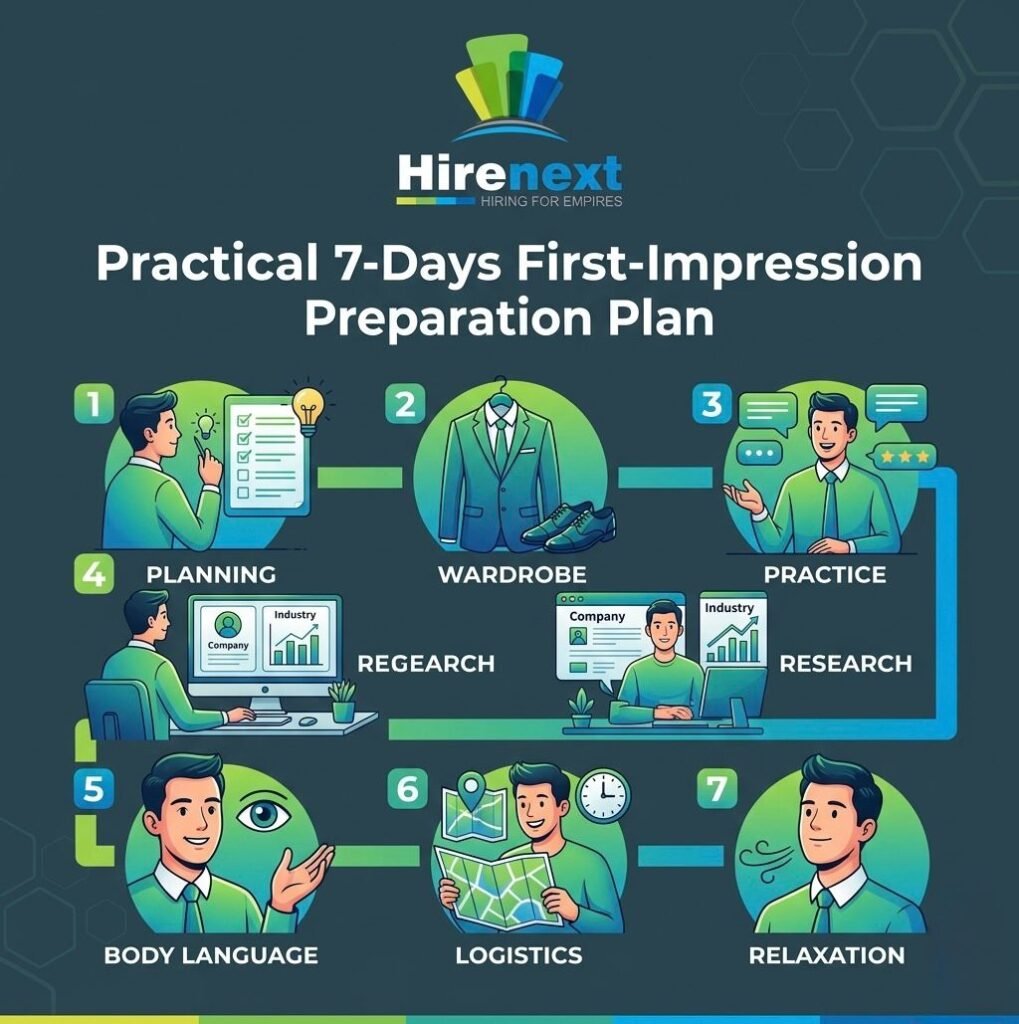
Day 1:
Research the company
Day 2:
Practice your intro
Day 3:
Work on body language
Day 4:
Prepare outfit and grooming
Day 5:
Mock interview
Day 6:
Fix mistakes
Day 7:
Relax and revise
This plan improves what recruiters notice in interview consistently.
Final Expert Tips
- Be calm, not perfect
- Focus on energy and attitude
- Smile naturally
- Listen carefully
- Stay authentic
Remember, what recruiters notice in interview is often your overall presence, not just your answers.
Advanced Practical Tips Readers Actually Want to Know
What to Do in the First 10 Seconds After Entering
The first few moments are critical. Before you even sit down, your actions can shape what recruiters notice in interview.
Smart first 10-second habits:
- Knock gently before entering
- Walk in at a normal pace
- Smile and greet clearly
- Wait to be invited to sit
These small actions instantly help recruiters feel comfortable with you.
What Recruiters Notice in Your Resume Handing Style
Many candidates ignore this, but even how you hand over your resume matters.
Best practices:
- Keep documents neatly arranged
- Hand over with confidence
- Avoid fumbling or apologizing
Being organized improves what recruiters notice in interview because it reflects professionalism.
How Nervous Candidates Can Still Make a Great Impression
Feeling nervous is normal. Recruiters understand that. What matters is how you manage it.
Practical calming tricks:
- Breathe in for 4 seconds, out for 4 seconds
- Keep your feet grounded
- Focus on listening instead of overthinking
- Pause before answering
Controlled nerves often look like maturity, which improves what recruiters notice in interview.
How to Recover If You Mess Up in the First 30 Seconds

Sometimes things go wrong. You may stumble while speaking or feel awkward.
The good news: first impressions can still be repaired.
Recovery tips:
- Don’t panic
- Smile and continue naturally
- Acknowledge briefly if needed
- Regain focus on the conversation
Recruiters often appreciate candidates who recover gracefully.
Smart Small Talk That Builds Connection
Sometimes interviewers begin with casual questions.
Examples:
- Did you find the office easily?
- How was your journey?
How to respond:
- Be polite and positive
- Keep it brief
- Avoid complaints
Even casual conversation affects what recruiters notice in interview.
The Role of Voice Confidence in First Impressions
Your voice can make you sound confident or unsure.
Improve voice presence:
- Speak at a steady pace
- Avoid filler words like “umm”
- Keep volume clear
- End sentences confidently
A strong voice creates trust quickly.
How Recruiters Judge Your Energy and Attitude
Recruiters often prefer a positive candidate over a technically stronger but negative one.
They notice:
- Enthusiasm for the role
- Respectful attitude
- Interest in learning
This is a major part of what recruiters notice in interview and often influences selection.
Cultural Fit: The Hidden Factor
Companies want people who fit their work culture.
They assess:
- Are you respectful?
- Can you work in teams?
- Do you seem adaptable?
Showing openness and humility improves your first impression.
Questions You Should Never Ask in the First 30 Seconds

Avoid starting with:
- Salary questions immediately
- Leave policy questions first
- Negative comments about previous interviews
These create the wrong impression and hurt what recruiters notice in interview.
Quick Pre-Interview Mirror Checklist
Before entering, quickly check:
✔ Clothes neat? ✔ Hair groomed? ✔ Phone on silent? ✔ Resume ready? ✔ Smile natural?
This last-minute check can significantly improve what recruiters notice in interview.
Real Confidence vs Fake Confidence
Recruiters can usually tell the difference.
Real confidence looks like:
- Calm speaking
- Honest answers
- Good listening
Fake confidence looks like:
- Arrogance
- Interrupting
- Overacting
Always choose authenticity.
Conclusion
The first 30 seconds of an interview can make or break your chances. Recruiters notice far more than just your words—they notice your confidence, dressing, body language, tone, and attitude.
If you understand what recruiters notice in interview and follow the right dressing tips for interview, body language habits, and confidence techniques, you can create a strong first impression—even if you feel average.
The key is preparation, calmness, and authenticity. Use these tips to improve your presence and learn how to impress recruiter quickly in every interview.
Your first 30 seconds can open the door to your dream job. Make them count.