
Why Good Employees Quietly Leave Companies
Introduction
Every organization wants to attract talented professionals, but retaining them is often a much bigger challenge. Surprisingly, many employees who resign are not poor performers—they are often the company’s most productive, dependable, and engaged individuals.
This raises an important question: why good employees leave even when they appear satisfied with their jobs.
In many cases, employees don’t suddenly decide to resign. Their decision develops over weeks or even months as they experience issues such as limited career growth, poor leadership, lack of recognition, burnout, or a toxic workplace.
Unfortunately, many organizations only recognize these problems after receiving a resignation letter.
Replacing experienced employees is expensive. Recruitment costs, onboarding, training, productivity loss, and reduced team morale all contribute to the financial impact of employee turnover.
Understanding why good employees leave helps employers create healthier workplaces, improve retention, and reduce unnecessary hiring costs.
This article explores the most common reasons talented employees quietly leave organizations and explains how to retain good employees through practical leadership and workplace strategies.
Table of Contents
- Why Employee Retention Matters
- Why Good Employees Leave
- Why Employees Leave Quietly
- The Hidden Cost of Employee Turnover
- Early Warning Signs Before Employees Quit
- Lack of Career Growth
- Poor Leadership
- Toxic Workplace Culture
- Lack of Recognition
- Burnout and Work Overload
- Poor Work-Life Balance
- Low Compensation
- Communication Problems
- Lack of Purpose at Work
- Limited Learning Opportunities
- Employee Engagement
- How to Retain Good Employees
- Creating a Healthy Workplace
- Leadership That Builds Loyalty
- Recognition and Rewards
- Career Development Strategies
- Flexible Work Policies
- Exit Interviews and Employee Feedback
- Recruitment and Retention
- The Future of Employee Retention
- Conclusion
Why Employee Retention Matters
Hiring talented people requires significant investment.
Organizations spend time and money on:
- Recruitment
- Resume screening
- Interviews
- Background verification
- Onboarding
- Training
When experienced employees resign, companies lose much more than a single individual.
They also lose:
- Knowledge
- Client relationships
- Productivity
- Team stability
- Workplace morale
This is why understanding why good employees leave is essential for every employer.
Retention is often more cost-effective than constant recruitment.
Why Good Employees Leave
Many employers assume employees leave only because of higher salaries.
In reality, compensation is only one factor.
Employees may resign because they feel:
- Unappreciated
- Unsupported
- Burned out
- Ignored
- Stagnant
- Overworked
Sometimes employees continue performing well even after deciding to leave.
They remain professional while quietly searching for better opportunities.
This makes employee resignations appear sudden, even though the underlying problems may have existed for months.
Why Employees Leave Quietly
Not every dissatisfied employee complains openly.
Some individuals prefer to:
- Avoid conflict
- Continue doing their work professionally
- Search for another opportunity privately
- Submit their resignation only after securing another job
Managers often believe everything is fine because performance appears stable.
However, silent dissatisfaction can eventually result in unexpected resignations.
This explains why good employees leave without giving many warning signs.
The Hidden Cost of Employee Turnover
Replacing experienced employees is expensive.
Direct costs include:
- Advertising vacancies
- Recruitment agency fees
- Interview expenses
- Training new employees
Indirect costs include:
- Lost productivity
- Lower team morale
- Delayed projects
- Customer dissatisfaction
- Increased workload for remaining employees
Businesses that ignore employee retention often experience repeated recruitment challenges.
Understanding how to retain good employees can reduce these unnecessary costs.
Early Warning Signs Before Employees Quit
Employees rarely resign without showing some warning signs.
Common indicators include:
- Reduced enthusiasm
- Lower participation in meetings
- Declining engagement
- Less communication
- Increased absenteeism
- Avoiding long-term planning
- Reduced interest in company activities
Managers should pay attention to these changes.
Early conversations may help resolve concerns before employees decide to leave.
Lack of Career Growth
Career development is one of the biggest reasons why good employees leave.
Talented professionals want opportunities to:
- Learn new skills
- Take on greater responsibility
- Receive promotions
- Advance their careers
When employees feel their growth has stopped, they often begin exploring external opportunities.
Even highly satisfied employees may eventually resign if they cannot see a future within the organization.
Managers should regularly discuss career goals with employees.
Poor Leadership
Employees often leave managers rather than companies.
Poor leadership may include:
- Lack of communication
- Micromanagement
- Inconsistent decisions
- Unclear expectations
- Lack of empathy
Strong leaders build trust.
Weak leadership creates frustration.
When employees feel unsupported by their manager, motivation gradually decreases.
This is another major reason why good employees leave.
Toxic Workplace Culture
A toxic workplace can quickly reduce employee satisfaction.
Signs of a toxic workplace include:
- Office politics
- Gossip
- Bullying
- Favoritism
- Poor communication
- Blame culture
- Lack of respect
Even well-paid employees may resign if they experience constant negativity.
No salary can fully compensate for an unhealthy work environment.
Creating a respectful workplace should therefore be a priority for every organization.
Lack of Recognition
Many employees do not expect rewards every day.
However, they do want their efforts to be noticed.
Recognition can be simple:
- Appreciation from managers
- Positive feedback
- Public acknowledgment
- Career opportunities
When employees consistently work hard without receiving recognition, motivation declines.
Eventually they may begin asking:
“Does my work really matter here?”
This emotional disconnect contributes significantly to why good employees leave.
Burnout and Work Overload
Burnout has become increasingly common.
Employees may experience:
- Physical exhaustion
- Emotional fatigue
- Reduced motivation
- Difficulty concentrating
- Increased stress
Burnout often develops when organizations:
- Understaff teams
- Expect constant overtime
- Set unrealistic deadlines
- Ignore employee wellbeing
High-performing employees are especially vulnerable because managers frequently rely on them.
Unfortunately, consistently overloading top performers often leads to resignation.
Poor Work-Life Balance
Modern employees increasingly value balance between professional and personal life.
Poor work-life balance may involve:
- Frequent overtime
- Weekend work
- Constant availability
- Excessive workload
Employees need time for:
- Family
- Health
- Personal interests
- Rest
Organizations that respect employee wellbeing often experience stronger retention.
Understanding how to retain good employees requires acknowledging the importance of balance.
Low Compensation
Salary is not always the primary reason employees resign.
However, compensation becomes important when employees believe:
- They are underpaid
- Their contributions are undervalued
- Market salaries are significantly higher
Employees compare compensation with:
- Industry standards
- Colleagues
- External opportunities
Competitive compensation helps organizations retain experienced professionals.
Communication Problems
Poor communication creates confusion and frustration.
Examples include:
- Unclear expectations
- Inconsistent feedback
- Lack of transparency
- Delayed information
Employees want honest communication.
They appreciate managers who explain:
- Company goals
- Business challenges
- Career expectations
- Performance feedback
Open communication builds trust.
Poor communication contributes to why good employees leave.
Lack of Purpose at Work
Employees increasingly want meaningful work.
They want to understand:
- Why their work matters
- How they contribute
- How their role supports company goals
When work feels repetitive or meaningless, engagement declines.
Purpose helps employees remain motivated even during challenging periods.
Managers should regularly explain how individual contributions support organizational success.
Limited Learning Opportunities

One of the most overlooked reasons why good employees leave is the absence of learning and development.
Top performers are usually ambitious. They want to improve their knowledge, build new skills, and prepare for future responsibilities.
When organizations fail to provide opportunities such as:
- Training programs
- Workshops
- Certifications
- Cross-functional projects
- Mentorship
employees may begin feeling stagnant.
Eventually, they may choose another employer who invests in their professional growth.
Continuous learning is therefore a major factor in how to retain good employees.
Micromanagement
Micromanagement is another common reason talented employees resign.
Managers who constantly monitor every small task often reduce employee confidence and independence.
Micromanagement may include:
- Excessive supervision
- Constant approval requirements
- Lack of trust
- Limited decision-making authority
High-performing employees generally prefer autonomy.
They want managers who provide guidance—not constant control.
Organizations that encourage ownership often experience higher employee satisfaction and stronger retention.
Employee Engagement
Employee engagement goes beyond job satisfaction.
Engaged employees:
- Feel connected to company goals
- Take initiative
- Contribute ideas
- Collaborate with colleagues
- Care about business success
Disengaged employees may still complete their work but often stop contributing beyond the minimum expectations.
Regular engagement surveys, one-on-one meetings, and open communication can help organizations identify concerns before employees begin searching for new opportunities.
Understanding engagement is an important step in understanding why good employees leave.
How to Retain Good Employees
Once organizations understand why good employees leave, the next step is developing strategies to retain them.
Employee retention is not based on one single initiative.
It requires consistent effort across leadership, culture, communication, growth, and recognition.
Some of the most effective retention strategies include:
- Strong leadership
- Career development
- Competitive compensation
- Positive workplace culture
- Employee recognition
- Flexible work arrangements
- Continuous learning opportunities
Retention should become an ongoing business strategy rather than a reaction after employees resign.
Build a Positive Workplace Culture
Culture influences employee behavior every day.
A healthy workplace encourages:
- Respect
- Collaboration
- Transparency
- Inclusion
- Accountability
Managers should create an environment where employees feel comfortable sharing ideas and concerns.
A positive culture also reduces the likelihood of a toxic workplace, one of the leading causes of employee turnover.
Employees who feel psychologically safe are more likely to remain with an organization.
Leadership That Builds Loyalty
Leadership has a direct impact on employee retention.
Good leaders:
- Listen actively
- Provide constructive feedback
- Recognize achievements
- Support employee development
- Communicate openly
Employees appreciate managers who genuinely care about their growth and wellbeing.
Leadership training should therefore be a priority for organizations that want to improve retention.
Strong leadership is one of the most effective answers to how to retain good employees.
Recognition and Rewards
Recognition is one of the simplest ways to improve employee satisfaction.
Recognition does not always require financial rewards.
Employees appreciate:
- Public appreciation
- Thank-you messages
- Awards
- Career opportunities
- Positive feedback
Recognition reinforces positive behavior and increases motivation.
Employees who consistently feel appreciated are less likely to explore other opportunities.
Career Development Plans

Employees want to know where their careers are heading.
Managers should discuss:
- Career goals
- Promotion opportunities
- Skill development
- Future responsibilities
Individual development plans help employees see a long-term future within the organization.
Without career progression, talented professionals may eventually seek advancement elsewhere.
This is one of the biggest reasons why good employees leave.
Flexible Work Policies
Employee expectations have changed significantly.
Many professionals value flexibility as much as salary.
Flexible policies may include:
- Hybrid work
- Remote work
- Flexible working hours
- Personal leave
- Mental health support
Organizations that respect work-life balance often experience stronger employee loyalty.
However, flexibility should also be supported by trust and accountability.
Conduct Meaningful Performance Reviews
Performance reviews should not focus only on evaluation.
They should also become opportunities for:
- Career discussions
- Skill development
- Goal setting
- Feedback
Employees should understand:
- What they are doing well
- Where they can improve
- What opportunities exist within the company
Constructive performance conversations help employees feel supported rather than judged.
Listen Before Employees Leave
Many organizations conduct exit interviews after employees resign.
While exit interviews provide valuable insights, employers should also gather feedback before employees decide to leave.
Methods include:
- Employee surveys
- One-on-one meetings
- Stay interviews
- Anonymous feedback systems
Stay interviews ask employees simple questions such as:
- What do you enjoy most about your work?
- What challenges are you facing?
- What would encourage you to stay longer?
These conversations often reveal issues before they become resignation decisions.
Recruitment and Retention Go Together
Many companies invest heavily in recruitment while giving less attention to retention.
This creates a cycle of:
- Hiring
- Training
- Resignation
- Hiring again
Recruitment and retention should work together.
A strong recruitment process ensures companies hire suitable candidates.
A strong retention strategy ensures those candidates remain engaged.
Reducing turnover often lowers recruitment costs and improves long-term productivity.
Creating a Retention Strategy
Organizations should develop structured retention plans.
A successful strategy may include:
Competitive Compensation
Regular salary benchmarking.
Learning Opportunities
Training and certifications.
Recognition Programs
Acknowledging employee contributions.
Leadership Development
Training managers to support teams effectively.
Employee Wellbeing
Mental health support and work-life balance initiatives.
Clear Communication
Regular updates and transparent leadership.
Together, these initiatives address many reasons why good employees leave.
The Role of HR in Employee Retention
Human Resources plays an important role in creating a positive employee experience.
HR can support retention by:
- Improving onboarding
- Conducting engagement surveys
- Developing training programs
- Supporting managers
- Monitoring turnover trends
- Promoting workplace wellbeing
HR should work closely with leadership rather than handling retention independently.
Employee retention requires organization-wide commitment.
The Future of Employee Retention
The workplace continues to evolve.
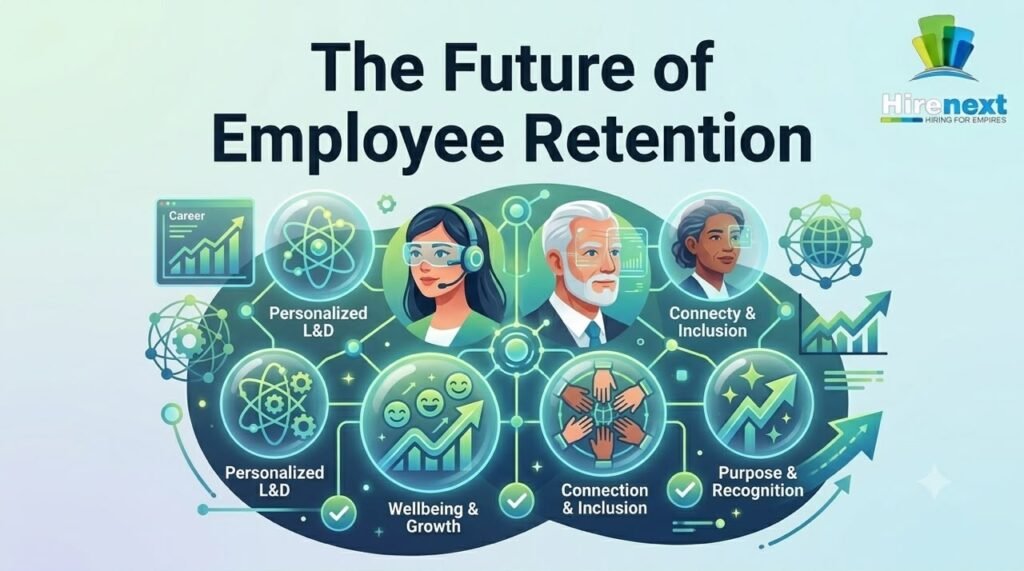
Future retention strategies may focus more on:
- Employee wellbeing
- Continuous learning
- Flexible work
- Digital collaboration
- Personalized career development
- Diversity and inclusion
Employees increasingly expect organizations to support both professional and personal growth.
Companies that adapt to these expectations may experience stronger long-term retention.
What Employees Really Want
Although every individual is different, many employees consistently value:
- Respect
- Fair compensation
- Career growth
- Supportive leadership
- Recognition
- Purpose
- Work-life balance
- Healthy workplace culture
Organizations that provide these experiences are more likely to retain talented professionals.
This is ultimately the solution to how to retain good employees.
Why Good Employees Leave: The Bigger Picture
Understanding why good employees leave is not about blaming employees or managers.
Instead, it requires organizations to evaluate the complete employee experience.
Employees rarely resign because of one single issue.
Their decision usually results from several ongoing concerns such as:
- Poor leadership
- Limited growth
- Burnout
- Lack of appreciation
- Communication problems
- A toxic workplace
By addressing these issues proactively, companies can significantly improve retention.
Conclusion
Every organization wants talented employees, yet many unintentionally lose them because they fail to recognize the factors influencing employee satisfaction.
Understanding why good employees leave is the first step toward creating a workplace where talented professionals choose to stay.
Good employees rarely resign without reason. Their decisions are often influenced by limited career growth, ineffective leadership, burnout, lack of recognition, poor communication, and unhealthy workplace cultures.
Fortunately, these challenges can be addressed.
Organizations that invest in leadership development, employee recognition, continuous learning, flexible work policies, and positive workplace culture are far more successful in retaining experienced professionals.
Knowing how to retain good employees is no longer simply an HR responsibility—it is a strategic business priority.
Companies that successfully retain top talent reduce recruitment costs, strengthen productivity, improve customer satisfaction, and build healthier workplace cultures.
The best employees do not leave because they enjoy changing jobs.
They leave when they stop seeing opportunities to grow, contribute, and feel valued.
Businesses that create environments where employees can learn, succeed, and feel respected are far more likely to keep their best people for the long term.