
What to Do After Getting a Job Offer Effectively
Table of Contents
- Introduction On What To Do After Job Offer
- Why Your Actions After a Job Offer Matter
- First Step: Don’t Accept Immediately
- How to Respond to Job Offer Email Professionally
- Things to Check Before Accepting the Offer
- Understanding Salary, Benefits, and Role
- When and How to Negotiate After Receiving Offer
- Accepting vs Declining a Job Offer
- How to Ask for Time to Decide
- Common Mistakes Candidates Make
- Onboarding Preparation Tips
- What to Do After Accepting the Offer
- Real-Life Sample Responses
- How to Compare Multiple Job Offers
- How to Evaluate Company Culture Before Joining
- Red Flags to Watch Before Accepting an Offer
- How to Handle Counteroffers
- How to Respond to Job Offer Email (Advanced Tips)
- Pre-Joining Checklist (Onboarding Preparation)
- First Week Strategy After Joining
- Final Action Plan
- Conclusion
Introduction
Getting a job offer is exciting—but what you do next is even more important.
Many candidates make quick decisions without thinking, which can lead to regret later. That’s why understanding what to do after job offer is crucial for your career.
In this guide, you’ll learn what to do after job offer step-by-step, how to respond to job offer email professionally, and how to handle onboarding preparation smoothly.
Why Your Actions After a Job Offer Matter
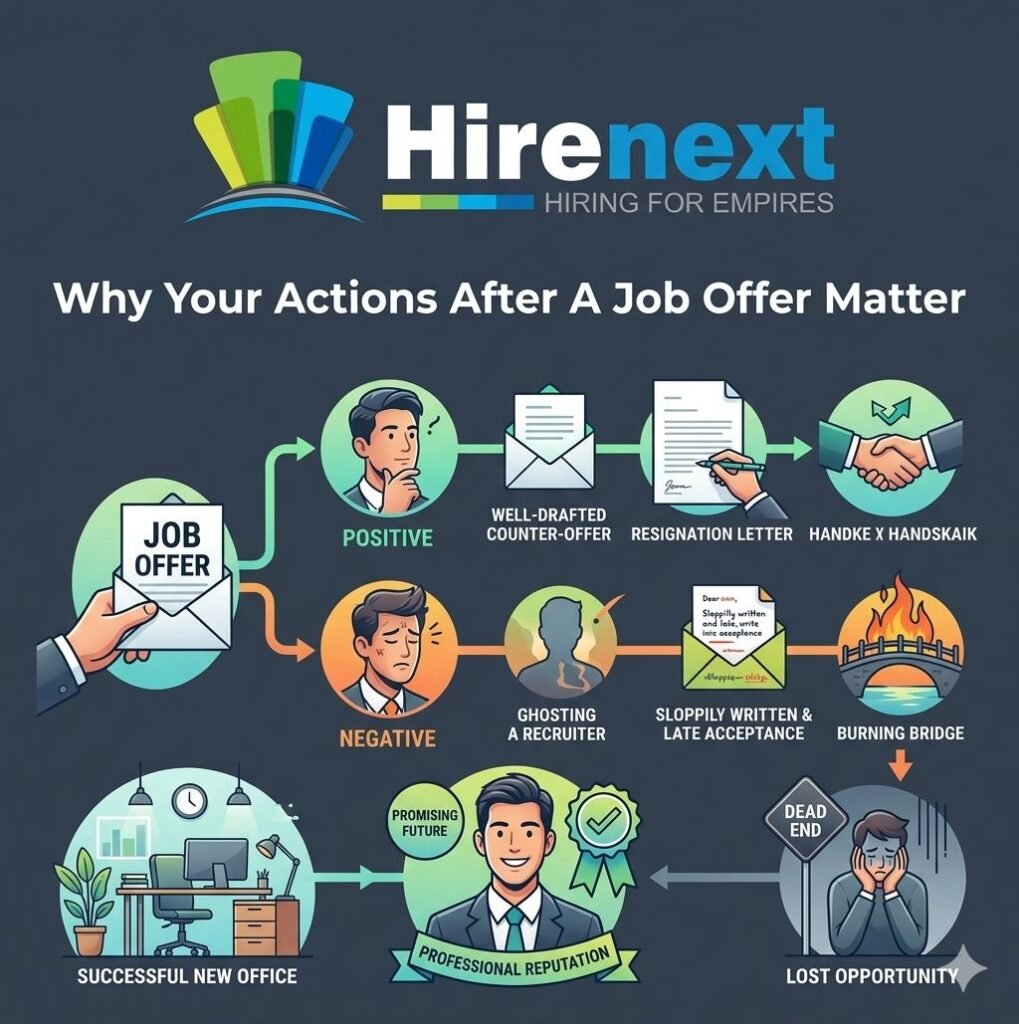
Your decision impacts:
- Your career growth
- Salary progression
- Job satisfaction
Knowing what to do after job offer helps you make smarter choices.
First Step: Don’t Accept Immediately
One of the biggest mistakes is accepting the offer instantly.
Instead:
- Thank the recruiter
- Ask for time to review
This shows professionalism and gives you time to evaluate.
How to Respond to Job Offer Email Professionally
If you’re wondering how to respond to job offer email, keep it simple and polite.
Example:
“Thank you for the offer. I’m excited about this opportunity and would like some time to review the details.”
This keeps the conversation professional.
Things to Check Before Accepting the Offer
Before saying yes, check:
- Salary structure
- Job role and responsibilities
- Work location
- Growth opportunities
This step is critical in understanding what to do after job offer.
Understanding Salary, Benefits, and Role
Don’t just look at salary.
Also consider:
- Bonuses
- Incentives
- Work-life balance
- Company culture
A complete evaluation helps you make the right decision.
When and How to Negotiate After Receiving Offer
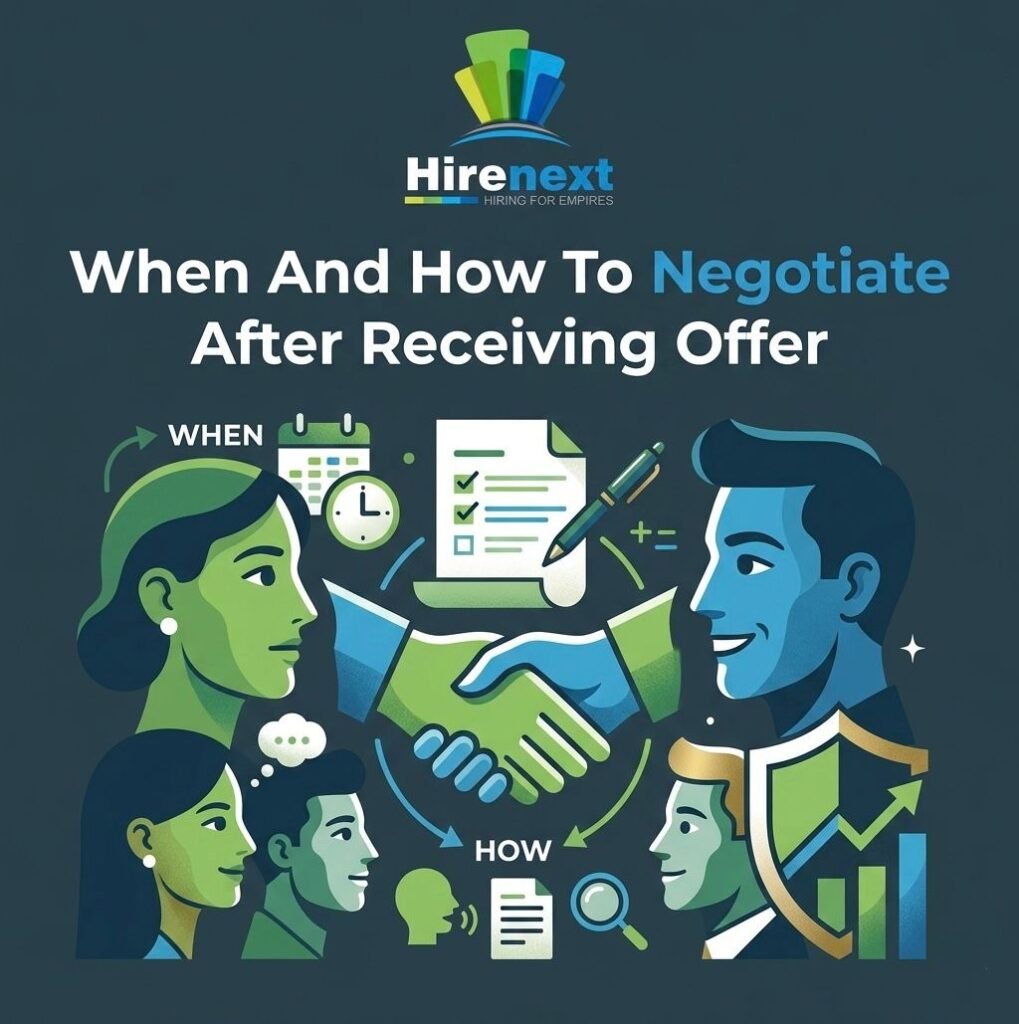
If the offer doesn’t meet expectations, negotiate.
Example:
“Based on my research, I was expecting a slightly higher range. Is there flexibility?”
Negotiation is a normal part of the process.
Accepting vs Declining a Job Offer
Accepting
- Confirm clearly
- Express gratitude
Declining
- Be polite
- Keep it professional
How to Ask for Time to Decide
You can say:
“I’d like 1–2 days to review the offer. I’ll get back to you soon.”
This is a smart way to handle decisions.
Common Mistakes Candidates Make
- Accepting too fast
- Not reading offer details
- Ignoring negotiation
Avoiding these helps you manage what to do after job offer effectively.
Onboarding Preparation Tips
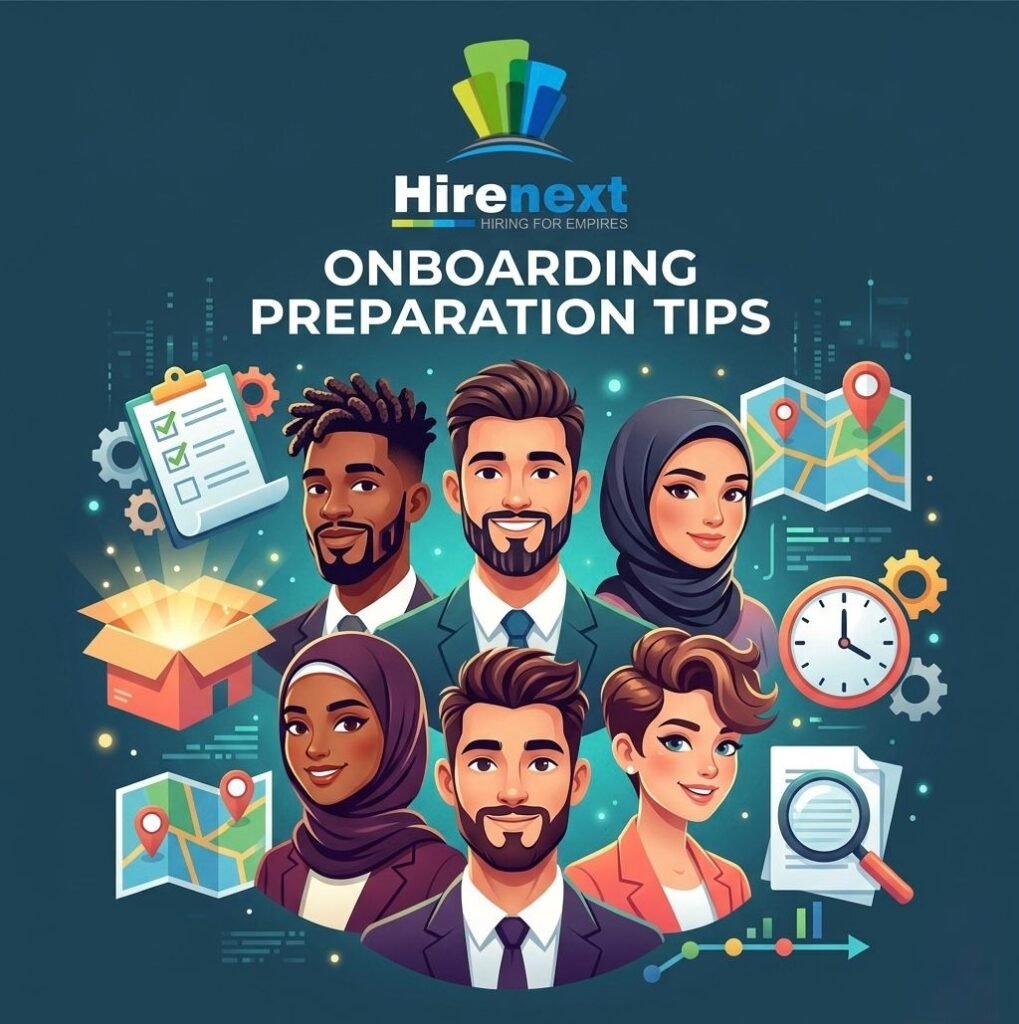
Once you accept, start onboarding preparation:
- Arrange documents
- Understand company policies
- Prepare mentally for new role
What to Do After Accepting the Offer
- Send confirmation email
- Stay in touch with HR
- Prepare for joining day
Real-Life Sample Responses
Acceptance:
“Thank you for the opportunity. I’m happy to accept the offer and look forward to joining.”
Negotiation:
“I appreciate the offer. I’d like to discuss the compensation.”
How to Compare Multiple Job Offers
If you have more than one offer, don’t rush your decision.
Compare based on:
- Salary and benefits
- Role and responsibilities
- Career growth opportunities
- Company culture
Understanding what to do after job offer becomes even more important when you have multiple options.
How to Evaluate Company Culture Before Joining
Salary is important, but culture matters too.
Check:
- Work environment
- Employee reviews
- Work-life balance
A good culture ensures long-term satisfaction.
Red Flags to Watch Before Accepting an Offer

Be careful if you notice:
- Unclear job role
- Very low salary compared to market
- No growth opportunities
- Poor communication from HR
Identifying red flags helps you make smarter decisions about what to do after job offer.
How to Handle Counteroffers
If your current employer gives a counteroffer:
- Evaluate carefully
- Don’t decide emotionally
- Consider long-term growth
Counteroffers can be tempting but not always beneficial.
How to Respond to Job Offer Email (Advanced Tips)
Responding to a job offer email is a critical step that reflects your professionalism and communication skills. Many candidates either reply too casually or rush their response, which can create a negative impression.
To truly master how to respond to job offer email, you need to focus on clarity, tone, and intent.
✔ Keep Your Tone Professional
Always maintain a polite and respectful tone, regardless of whether you are accepting, negotiating, or declining the offer. Avoid using overly casual language or emojis. Remember, this is still part of the hiring process.
✔ Be Clear About Your Decision
Your email should clearly communicate your intent:
- If you are accepting → confirm it confidently
- If you need time → mention a clear timeline
- If you want to negotiate → express it politely
Clarity avoids confusion and builds trust with the employer.
✔ Ask Questions if Needed
If anything in the offer is unclear, don’t hesitate to ask. You can inquire about:
- Salary breakdown
- Joining date flexibility
- Work expectations
- Benefits and policies
Asking questions shows that you are thoughtful and serious about the opportunity.
✔ Maintain a Structured Format
A good response email should include:
- Gratitude for the offer
- Your decision or request
- A closing note showing enthusiasm
✔ Example (Professional Response)
“Thank you for the offer. I truly appreciate the opportunity and am excited about the role. I would like some time to review the details and will get back to you shortly.”
Mastering this step is essential when learning what to do after job offer, as it sets the tone for your future relationship with the company.
Pre-Joining Checklist (Onboarding Preparation)
Once you have accepted the offer, the next important step is onboarding preparation. This phase ensures that you are fully ready before your first day.
✔ Keep All Documents Ready
Prepare all necessary documents in advance, such as:
- ID proof
- Educational certificates
- Offer letter copy
- Bank details
This avoids last-minute stress.
✔ Understand Company Policies
Take time to go through:
- Work hours and leave policy
- Code of conduct
- Dress code (if applicable)
Understanding these in advance helps you adapt quickly.
✔ Plan Your First Day
Know important details like:
- Office location or login details (for remote roles)
- Reporting time
- Whom to contact on arrival
Being prepared creates a strong first impression.
✔ Set Personal Goals
Before joining, ask yourself:
- What do I want to learn in the first 3 months?
- What skills do I want to improve?
This mindset makes your transition smoother and more purposeful.
Proper onboarding preparation ensures a confident and stress-free start to your new role.
First Week Strategy After Joining

Your first week at a new job is extremely important. It sets the foundation for your performance, relationships, and growth within the company.
✔ Observe and Learn
Instead of trying to prove yourself immediately, focus on understanding:
- Work processes
- Team dynamics
- Company culture
Observation helps you adapt faster.
✔ Build Relationships
Connect with your teammates and managers. Simple actions like introducing yourself and asking questions can help you build strong professional relationships early on.
✔ Understand Your Role Clearly
Make sure you have clarity on:
- Your responsibilities
- Expectations from your role
- Key performance metrics
If anything is unclear, ask your manager. This avoids confusion later.
✔ Take Initiative (Without Overdoing It)
Show willingness to learn and contribute, but don’t rush into taking on too much work without understanding it properly.
This phase completes your journey of what to do after job offer, as you transition from candidate to employee.
Final Action Plan
To summarize everything, follow this simple action plan:
- Carefully review the job offer and understand all details
- Compare it with other opportunities if available
- Negotiate if the offer does not meet your expectations
- Respond professionally and clearly via email
- Prepare for onboarding and your first week
Following this structured approach ensures you make the right decision and start your job with confidence.
Conclusion
Understanding what to do after job offer is just as important as getting the offer itself.
A thoughtful and well-planned approach helps you avoid common mistakes, make better decisions, and begin your career journey on a strong note.
Take your time, evaluate every aspect carefully, communicate professionally, and step into your new role with confidence and clarity.
- Review the offer
- Compare options
- Negotiate if needed
- Respond professionally