
Resume vs CV: What Recruiters Actually Look For
- March 13, 2026
- Posted by: Hirenext
- Category: Uncategorized
Table of Contents
- What Is a Resume?
- What Is a CV?
- Key Differences Between Resume vs CV
- When Should You Use a Resume?
- When Should You Use a CV?
- What Recruiters Look for in Resume vs CV
- How to Structure an Effective Resume
- How to Structure an Effective CV
- Common Mistakes Candidates Make
- Tips to Improve Your Resume or CV
- Resume vs CV for Freshers
- Conclusion
Introduction
When applying for jobs, many candidates feel confused about resume vs cv and whether they should submit one or the other. While both documents are used in the hiring process, they serve slightly different purposes depending on the job role, industry, and country. Understanding the difference between resume vs cv is important because recruiters expect candidates to submit the right document with the right information.
A resume is usually a concise document that highlights a candidate’s skills, experience, and achievements relevant to a specific job. A CV, or curriculum vitae, is typically more detailed and includes a complete overview of academic background, research, publications, and professional accomplishments. Because of these differences, the discussion around resume vs cv becomes crucial for job seekers who want to make a strong impression during the hiring process.
Recruiters often spend only a few seconds scanning an application before deciding whether a candidate is suitable for the next stage. This means your resume or CV must be clear, well-structured, and relevant to the role. Knowing how recruiters evaluate resume vs cv can help you present your qualifications more effectively and increase your chances of landing an interview.
In this comprehensive guide, we will explore the differences between resume vs cv, when to use each document, and what recruiters actually look for when reviewing them. Whether you are a fresher or an experienced professional, understanding resume vs cv can help you improve your job applications and stand out in the competitive job market.
What Is a Resume?
A resume is a short, focused document that summarizes a candidate’s professional qualifications, skills, and achievements. When discussing resume vs cv, a resume is usually the document most commonly used in corporate job applications.
Typically, a resume is one or two pages long and tailored to match the specific job role. Recruiters prefer resumes that clearly highlight relevant skills and accomplishments rather than including every detail of a candidate’s career.
Understanding the concept helps candidates realize that resumes are designed to be concise and targeted. A well-written resume should quickly communicate why the candidate is suitable for the job.
Most resumes include sections such as:
- Contact information
- Professional summary
- Work experience
- Skills
- Education
- Certifications or achievements
In the discussion of resume vs cv, the resume focuses more on practical experience and skills that match the job requirements.
What Is a CV?
A CV, or curriculum vitae, is a detailed document that provides a comprehensive overview of a candidate’s academic and professional history. When comparing a CV is usually longer and more detailed than a resume.
A CV often includes:
- Educational background
- Research work
- Publications
- Conferences attended
- Awards and recognitions
- Professional memberships
Because of the extensive information it contains, a CV can sometimes be several pages long. In the comparison of resume vs cv, CVs are commonly used in academic, research, and medical fields.
Candidates applying for teaching or research positions often submit a CV rather than a resume. Understanding helps applicants decide which document is appropriate for their career path.
Key Differences Between Resume vs CV
The main difference between resume vs cv lies in length, content, and purpose.
A resume is usually brief and tailored for specific job roles, while a CV provides a comprehensive record of academic and professional achievements. When discussing resume vs cv, resumes focus on skills and work experience, whereas CVs highlight educational and research accomplishments.
Another difference between resume vs cv is the level of customization. Resumes are typically customized for each job application, while CVs remain more consistent because they document a candidate’s entire career history.
Understanding these distinctions between resume vs cv helps job seekers choose the right format for their applications.
When Should You Use a Resume?
In most corporate job applications, employers expect candidates to submit a resume. The concept of resume vs cvbecomes important here because many applicants mistakenly send a CV when a resume would be more appropriate.
Resumes are commonly used for roles in:
- Business and management
- Marketing and sales
- Technology and IT
- Finance and accounting
- Operations and administration
In these industries, recruiters prefer concise documents that quickly highlight relevant experience. This is why understanding resume vs cv is important for candidates applying to corporate jobs.
Using the right document can significantly improve the chances of getting shortlisted.
When Should You Use a CV?
A CV is typically used for academic or research-oriented roles. In the discussion of resume vs cv, CVs are more common in fields such as:
- Academia
- Research institutions
- Medical professions
- Scientific organizations
These roles require detailed information about a candidate’s research, publications, and academic achievements. Understanding resume vs cv helps candidates ensure that they submit the correct document for these types of opportunities.
What Recruiters Look for in Resume vs CV
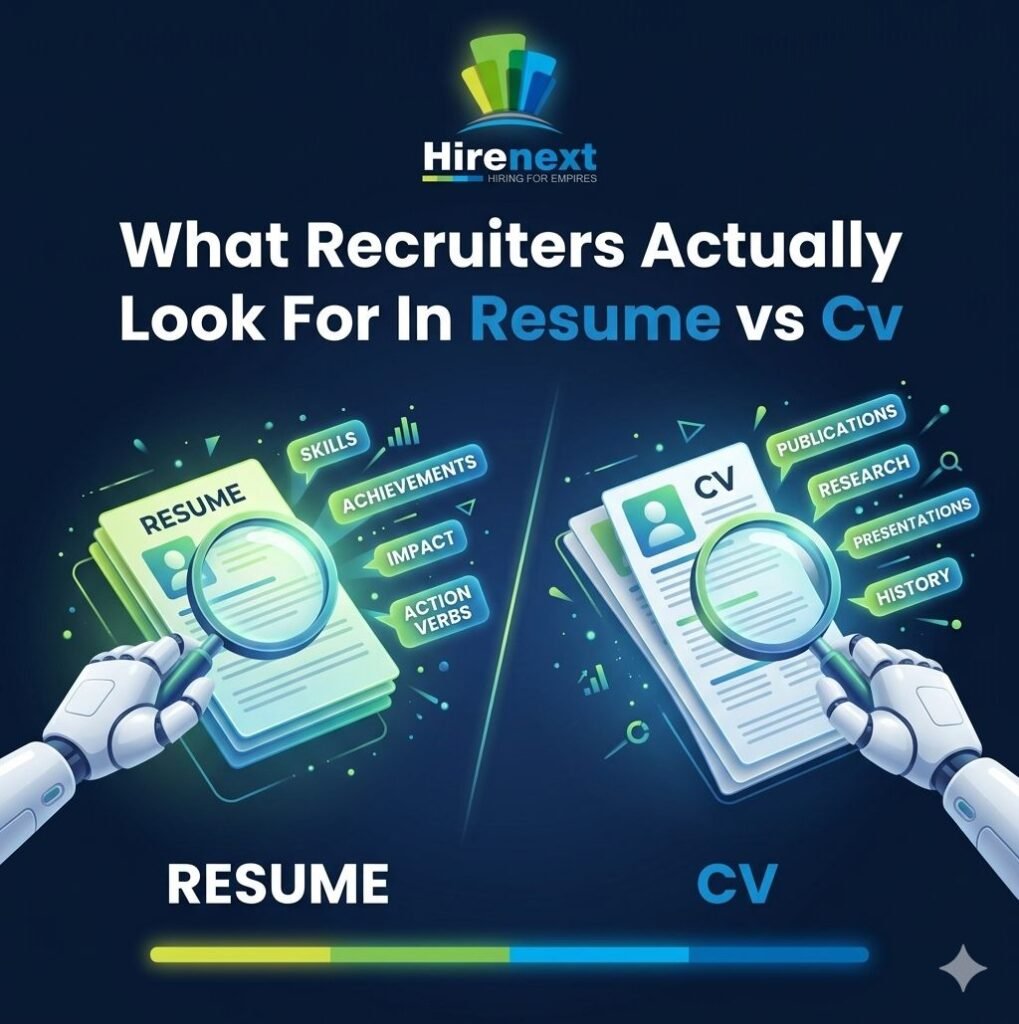
Recruiters evaluate many applications every day, which means they quickly scan documents for relevant information. When reviewing resume vs cv, recruiters typically focus on clarity, structure, and relevance.
First, recruiters look for clear contact information and a professional summary that explains the candidate’s background. In the context of resume vs cv, the summary should quickly communicate what the candidate offers.
Second, recruiters examine the candidate’s experience or academic achievements. In a resume, this means relevant job experience and accomplishments. In a CV, it includes research projects, publications, and teaching experience.
Third, recruiters evaluate skills that match the job requirements. In the comparison of resume vs cv, skills should be clearly highlighted and supported by examples.
Finally, recruiters value well-organized documents. Whether reviewing resume vs cv, they prefer clean formatting and easy readability.
How to Structure an Effective Resume
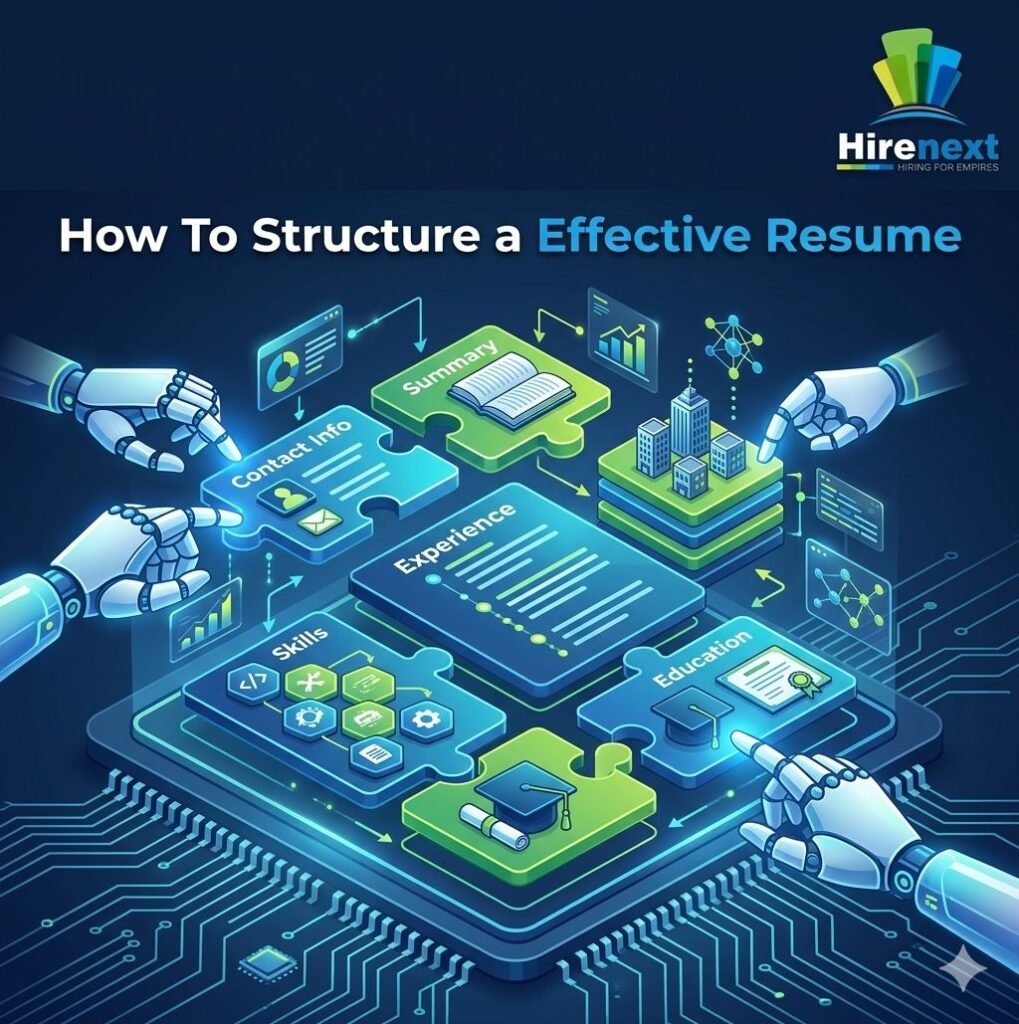
When creating a resume, candidates should keep it concise and focused. The structure should be easy for recruiters to scan quickly. Understanding helps candidates recognize that resumes should emphasize results and practical skills.
A strong resume usually includes:
- Header: Name and contact information
- Professional Summary: Brief overview of skills and goals
- Work Experience: Key achievements and responsibilities
- Skills: Technical and soft skills relevant to the job
- Education: Academic background
- Certifications: Additional qualifications
In the context of resume vs cv, resumes should highlight accomplishments rather than simply listing responsibilities.
How to Structure an Effective CV
A CV requires a more detailed structure because it includes extensive information about academic and professional achievements. When discussing CVs often include additional sections.
A typical CV structure may include:
- Personal information
- Professional summary
- Education and academic qualifications
- Research experience
- Publications
- Conferences and presentations
- Awards and honors
- Professional affiliations
Understanding resume vs cv ensures that candidates present their qualifications in the most suitable format for their career goals.
Common Mistakes Candidates Make
Many candidates make mistakes when preparing their application documents. One common issue in the debate of resume vs cv is submitting the wrong document type for a job application.
Another mistake is including irrelevant information. Whether preparing resume vs cv, candidates should focus only on details that add value to the application.
Poor formatting is another issue recruiters frequently notice. Documents that are difficult to read can reduce the chances of being shortlisted.
Spelling and grammar errors also create a negative impression. Candidates should carefully proofread their resume vs cvbefore submitting them to employers.
Tips to Improve Your Resume or CV
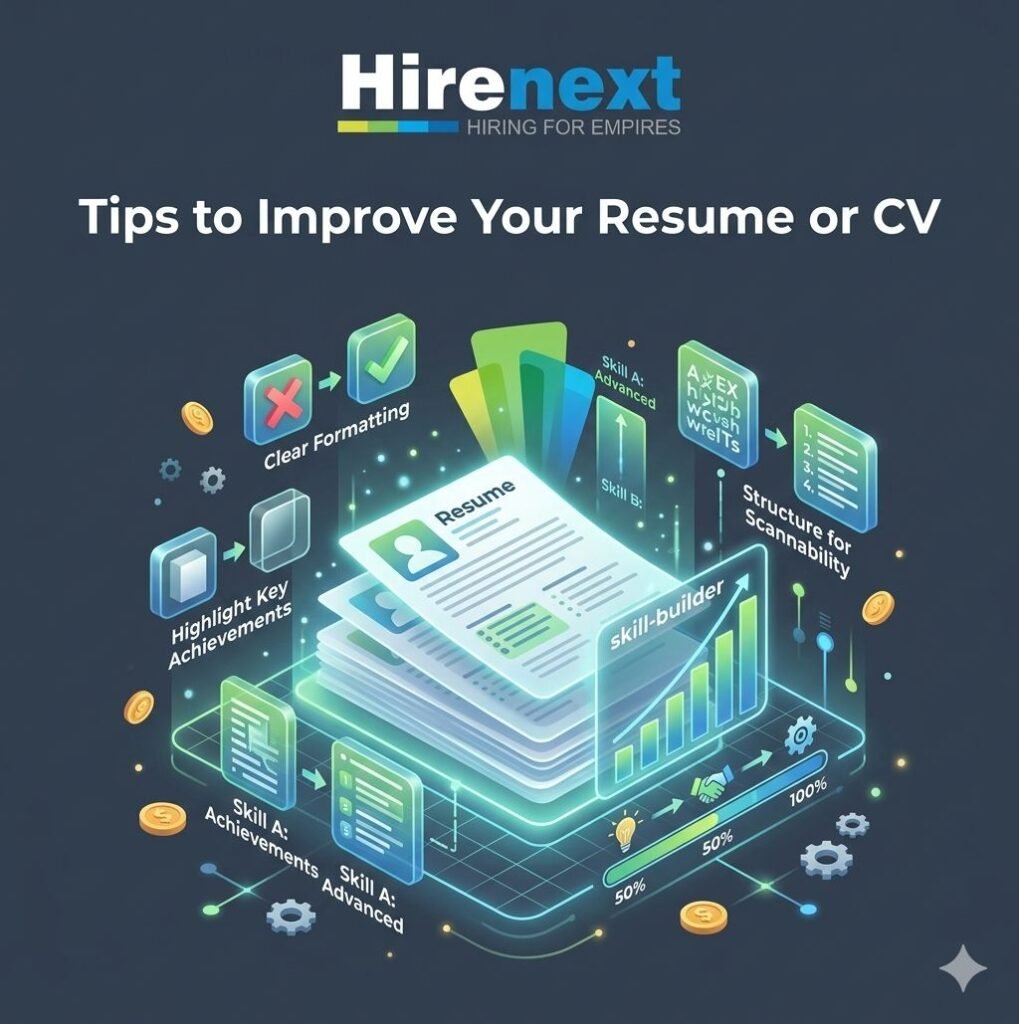
To stand out in the hiring process, candidates should focus on improving the quality of their application documents. When working on resume vs cv, clarity and relevance are key.
First, customize your resume or CV for the specific job role. Tailoring the document helps demonstrate that you understand the company’s requirements.
Second, highlight measurable achievements whenever possible. In the context of resume vs cv, numbers and results make your accomplishments more credible.
Third, use simple and professional formatting. Recruiters reviewing resume vs cv prefer documents that are easy to scan and visually organized.
Finally, keep updating your resume or CV regularly so it reflects your latest achievements and skills.
Resume vs CV for Freshers
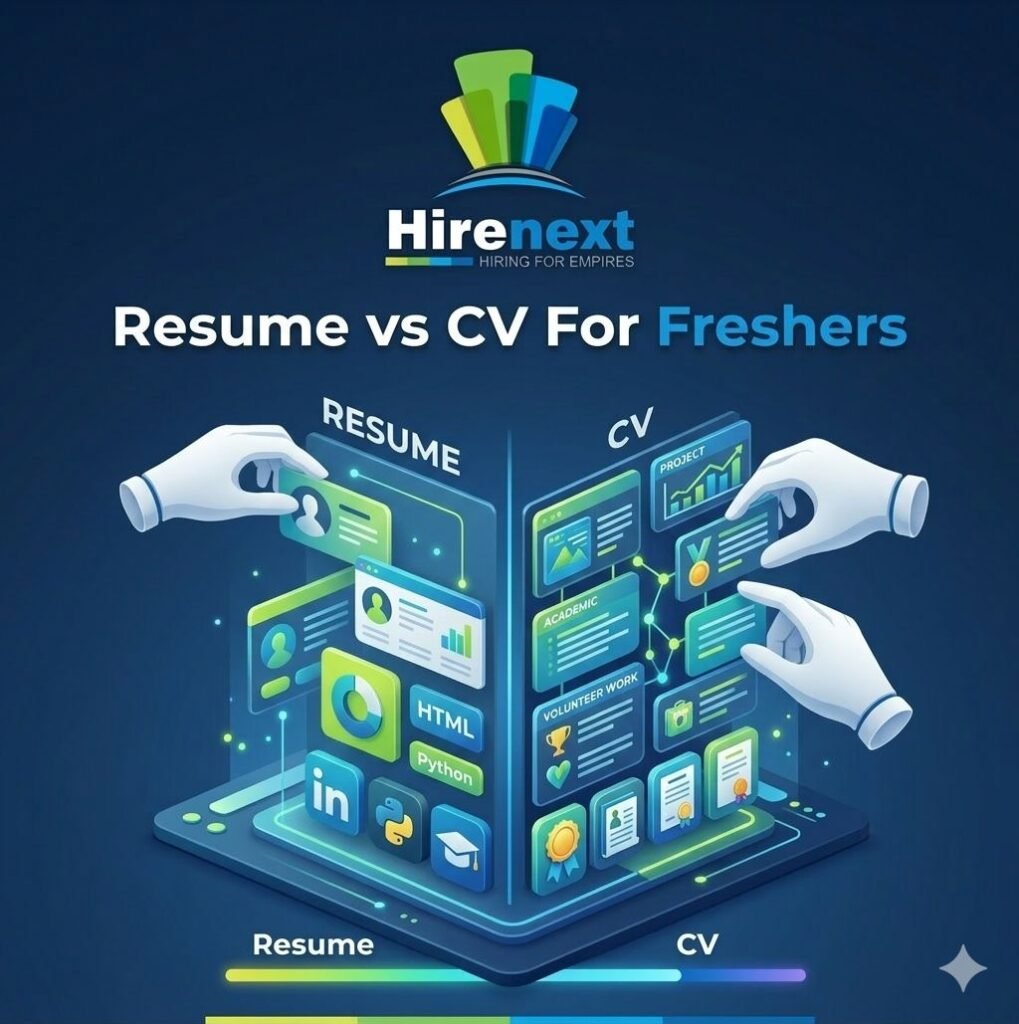
Fresh graduates often struggle with the concept of resume vs cv because they may not have extensive work experience. In most cases, freshers applying for corporate roles should create a resume.
For freshers, resumes should focus on:
- Academic projects
- Internships
- Certifications
- Technical and soft skills
Understanding helps freshers present their qualifications effectively even if they have limited professional experience.
Conclusion
Understanding the difference between resume vs cv is essential for anyone entering the job market. Although both documents are used to showcase qualifications, they serve different purposes depending on the industry and job role.
A resume is typically shorter and focused on professional skills and work experience, while a CV provides a detailed overview of academic and research achievements. Knowing when to use resume vs cv helps candidates present their qualifications in the most effective way.
Recruiters look for clarity, relevance, and well-structured information when reviewing resume vs cv. Candidates who tailor their documents to match the job requirements are more likely to capture the recruiter’s attention.
Whether you are a fresher or an experienced professional, investing time in preparing a strong resume or CV can significantly improve your chances of securing job opportunities. By understanding the differences between resume vs cv, you can ensure that your application stands out and leaves a positive impression on recruiters.
In today’s competitive job market, presenting your qualifications clearly and professionally is essential. Mastering the concept will help you communicate your value effectively and move one step closer to achieving your career goals. 🚀