
Top Hiring Challenges for Small Business in 2026
Introduction
Recruitment has become more competitive than ever before. In 2026, small businesses and startups are facing a rapidly changing hiring landscape driven by technology, remote work, skill shortages, and changing employee expectations. While large corporations have bigger budgets, dedicated HR teams, and strong employer branding, startups and small businesses often struggle to attract and retain top talent.
One of the biggest concerns today is dealing with hiring problems for startups while maintaining business growth and productivity. Many small businesses lose quality candidates because of slow hiring processes, poor workforce planning, limited salary budgets, and lack of recruitment strategies.
The reality is that recruitment is no longer just about filling vacancies. It is about finding the right people who can contribute to long-term business success. Understanding the biggest recruitment problems for small businesses is essential for creating sustainable hiring systems in 2026.
In this blog, we will discuss the major hiring challenges startups and small businesses face, how these problems impact growth, and the best solutions companies can use to improve recruitment and workforce planning.
Table of Contents
- Why Hiring Is More Difficult in 2026
- Understanding Hiring Problems for Startups
- Talent Shortage and Skill Gaps
- Budget Limitations in Recruitment
- Competition with Large Companies
- Poor Employer Branding
- Slow Hiring Processes
- Lack of Workforce Planning
- Employee Retention Challenges
- Remote Hiring Difficulties
- Hiring the Wrong Candidates
- Challenges in Hiring Freshers
- Diversity Hiring Challenges
- Technology and AI Recruitment Issues
- Communication Gaps in Recruitment
- Biggest Recruitment Problems for Small Businesses
- Importance of Workforce Planning
- Recruitment Strategies for Small Businesses
- How HR Teams Can Improve Hiring
- Future of Startup Recruitment in 2026
- Conclusion
Why Hiring Is More Difficult in 2026
The recruitment industry has changed significantly over the past few years. Employees today are more selective about where they work. Candidates now prioritize:
- Flexible work culture
- Career growth opportunities
- Work-life balance
- Company values
- Salary transparency
- Remote work options
At the same time, companies are competing globally for talent. These changing expectations have increased hiring problems for startups and small businesses.
Understanding Hiring Problems for Startups
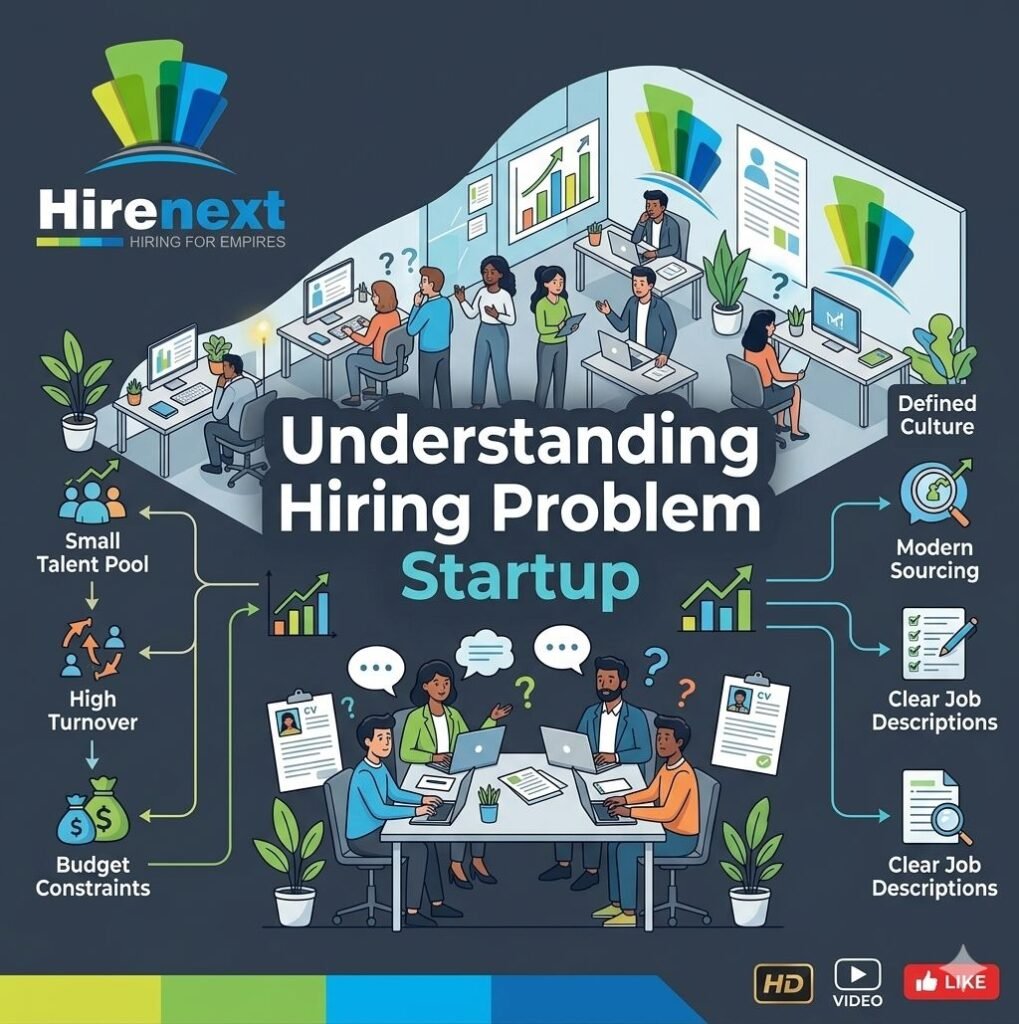
Startups often operate with limited resources and fast growth expectations. This creates unique recruitment difficulties.
Common hiring problems for startups include:
- Limited hiring budgets
- Weak employer branding
- Lack of structured HR systems
- Difficulty attracting experienced professionals
- High employee turnover
- Poor workforce planning
Without solving these issues, startups struggle to scale effectively.
Talent Shortage and Skill Gaps
One of the biggest hiring challenges in 2026 is the growing skill gap.
Many industries face shortages in:
- Technology roles
- Sales positions
- Digital marketing
- AI and automation
- Data analytics
- Finance professionals
Small businesses especially suffer because larger organizations can offer better salaries and benefits.
The increasing skill shortage is one of the major hiring problems for startups worldwide.
Budget Limitations in Recruitment
Most startups and small businesses operate under financial constraints.
Common Budget Challenges
- Limited salary offerings
- Inability to provide expensive benefits
- Small recruitment teams
- Restricted advertising budgets
Because of this, many companies lose skilled candidates to larger competitors.
Effective workforce planning can help businesses allocate hiring budgets strategically.
Competition with Large Companies
Large organizations dominate recruitment markets because they offer:
- Better salaries
- Brand reputation
- Career security
- Employee benefits
- Training programs
This creates serious hiring problems for startups trying to compete for the same talent pool.
How Small Businesses Can Compete
Small businesses should focus on:
- Flexible work environments
- Faster growth opportunities
- Personalized work culture
- Direct leadership exposure
These factors often attract ambitious professionals.
Poor Employer Branding
Many small businesses underestimate the importance of employer branding.
Candidates today research companies before applying.
Weak branding leads to:
- Fewer applications
- Low-quality candidates
- Trust issues
- Reduced employee retention
One of the biggest recruitment problems for small businesses is the inability to build strong online credibility.
Slow Hiring Processes
Candidates no longer wait weeks for interview feedback.
Long recruitment cycles create serious hiring problems for startups because talented candidates quickly accept other offers.
Common Reasons for Delays
- Poor communication
- Multiple approval layers
- Unclear job descriptions
- Lack of hiring coordination
Faster recruitment processes improve candidate experience and hiring success.
Lack of Workforce Planning
Poor workforce planning is one of the biggest reasons companies struggle with recruitment.
Many businesses hire reactively instead of strategically.
Problems Caused by Poor Workforce Planning
- Last-minute hiring
- Skill shortages
- Overworked employees
- High turnover
- Increased recruitment costs
Good workforce planning helps businesses predict future hiring needs and prepare accordingly.
Employee Retention Challenges
Hiring employees is difficult, but retaining them is even harder.
Many startups face high attrition because of:
- Workplace stress
- Lack of career growth
- Poor management
- Low salaries
- Burnout
These retention issues increase overall hiring problems for startups.
Remote Hiring Difficulties
Remote work has expanded talent access but also created new challenges.
Remote Recruitment Problems
- Difficulty assessing candidates virtually
- Communication barriers
- Cultural mismatch
- Time zone issues
- Lower employee engagement
Small businesses often struggle to manage remote hiring efficiently.
Hiring the Wrong Candidates
Bad hiring decisions are extremely expensive for small businesses.
A wrong hire can lead to:
- Productivity loss
- Financial losses
- Team conflicts
- Increased turnover
- Training waste
Many biggest recruitment problems for small businesses arise because companies rush recruitment without proper evaluation.
Challenges in Hiring Freshers
Freshers bring energy and adaptability, but evaluating them is difficult.
Common Fresher Hiring Problems
- Lack of experience
- Communication gaps
- Skill mismatch
- Unrealistic expectations
Companies need structured interview systems to overcome these hiring problems for startups.
Diversity Hiring Challenges
Diversity hiring is becoming increasingly important in 2026.
However, many businesses struggle because of:
- Limited outreach
- Biased recruitment systems
- Lack of inclusive culture
Diverse teams improve creativity, innovation, and employee satisfaction.
Technology and AI Recruitment Issues
AI tools are transforming recruitment, but they also create challenges.
Problems with AI Recruitment
- Over-automation
- Biased algorithms
- Poor candidate experience
- Lack of human interaction
Technology should support recruitment, not completely replace human decision-making.
Communication Gaps in Recruitment
One of the most overlooked yet serious hiring problems for startups is poor communication during the recruitment process. In today’s competitive job market, candidates no longer evaluate companies only based on salary or job roles — they also judge how professionally and respectfully the company communicates throughout the hiring journey.
Poor communication can damage employer reputation very quickly. A single negative hiring experience can lead candidates to share bad reviews on social media, LinkedIn, Glassdoor, or with their professional network. For startups and small businesses that are still building their brand, this can significantly reduce future hiring opportunities.
Modern candidates expect a smooth and transparent recruitment process. They want timely updates about interview status, clear explanations of job responsibilities, honest salary discussions, and proper feedback after interviews. When companies fail to communicate effectively, candidates often lose interest and accept offers from competitors.
Timely Updates Matter
One of the biggest frustrations candidates face is waiting for responses after interviews. Many companies take weeks to reply or completely stop responding after multiple interview rounds. This creates uncertainty and frustration for job seekers.
Candidates appreciate companies that:
- Share interview timelines clearly
- Inform them about delays
- Respond professionally to queries
- Update them regularly about hiring decisions
Even a simple follow-up message can improve candidate experience significantly.
Clear Job Roles Reduce Confusion
Another common communication issue is unclear job descriptions. Many startups post vague hiring requirements without properly explaining:
- Daily responsibilities
- Required skills
- Working hours
- Growth opportunities
- Team expectations
This often leads to mismatched expectations after hiring, resulting in employee dissatisfaction and higher turnover.
Clear communication about the role helps candidates decide whether they are truly suitable for the position.
Transparent Salary Discussions Build Trust
Salary transparency is becoming increasingly important in 2026. Candidates prefer companies that discuss compensation openly instead of avoiding the topic until the final stages.
When businesses are unclear about salary ranges, incentives, or benefits, candidates may feel misled or undervalued. Transparent discussions help build trust and improve offer acceptance rates.
Feedback After Interviews Improves Employer Branding
Many candidates invest time preparing for interviews but never receive feedback afterward. Ignoring candidates after interviews creates a negative impression about the company.
Providing professional feedback — even short feedback — shows respect and professionalism. It also strengthens employer branding and increases the chances that candidates may apply again in the future.
How Communication Gaps Create Hiring Problems for Startups
Poor communication directly impacts recruitment success. It can lead to:
- Candidate drop-offs
- Negative employer reputation
- Lower offer acceptance rates
- Increased hiring delays
- Higher employee turnover
For startups, these communication gaps become even more damaging because they are already competing with larger companies for talent.
How Companies Can Improve Recruitment Communication
Businesses can improve communication by:
- Setting clear hiring timelines
- Using automated follow-up emails
- Keeping candidates informed regularly
- Providing transparent salary details
- Giving interview feedback professionally
Strong communication not only improves candidate experience but also helps startups build credibility, attract better talent, and reduce long-term hiring problems.
Biggest Recruitment Problems for Small Businesses
Let us summarize the biggest recruitment problems for small businesses in 2026:
| Recruitment Problem | Impact |
|---|---|
| Skill shortage | Delayed hiring |
| Weak branding | Fewer applications |
| Budget limitations | Talent loss |
| Poor workforce planning | High recruitment costs |
| Slow hiring process | Candidate drop-offs |
| High employee turnover | Increased rehiring |
| Remote hiring issues | Poor team coordination |
Understanding these problems is essential for building better recruitment systems.
Importance of Workforce Planning
Strong workforce planning helps businesses hire proactively instead of reactively.
Benefits of Workforce Planning
- Better hiring predictions
- Improved budgeting
- Reduced employee shortages
- Higher productivity
- Better talent management
Companies that invest in workforce planning usually experience smoother recruitment processes and lower hiring costs.
Recruitment Strategies for Small Businesses
To overcome modern hiring challenges, companies should implement smarter recruitment methods.
1. Build Strong Employer Branding
Use:
- LinkedIn content
- Employee testimonials
- Career page optimization
- Social media branding
2. Improve Candidate Experience
Communicate clearly and provide timely feedback.
3. Use Skill-Based Hiring
Focus more on abilities than degrees.
4. Create Referral Programs
Employee referrals often produce better hires.
5. Invest in Training
Upskilling employees reduces dependency on external hiring.
These methods reduce hiring problems for startups significantly.
How HR Teams Can Improve Hiring
HR professionals play a critical role in solving recruitment challenges.
Important HR strategies include:
- Standardized interviews
- Faster communication
- Better onboarding systems
- Recruitment analytics
- Employee engagement initiatives
Modern HR departments must focus on long-term talent management, not just vacancy filling.
Future of Startup Recruitment in 2026
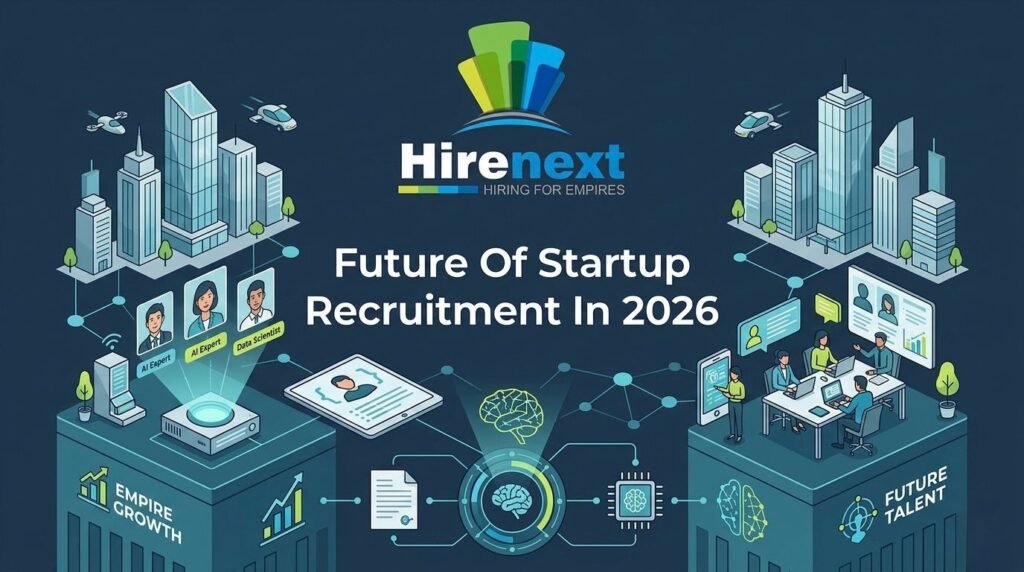
Recruitment trends will continue evolving rapidly.
Major Future Trends
AI-Assisted Hiring
Automation will increase but human evaluation will remain essential.
Skills-Based Recruitment
Degrees will become less important compared to practical abilities.
Flexible Work Models
Remote and hybrid jobs will continue growing.
Employee Well-Being
Mental health and work-life balance will become hiring priorities.
Companies that adapt early will overcome major hiring problems for startups more effectively.
Practical Tips to Overcome Hiring Challenges
Here are some quick solutions for small businesses:
- Create clear job descriptions
- Reduce hiring delays
- Build employer credibility online
- Invest in workforce planning
- Use structured interviews
- Improve onboarding
- Focus on employee retention
- Offer learning opportunities
These strategies help solve the biggest recruitment problems for small businesses.
Conclusion
Recruitment in 2026 is more complex than ever before. Small businesses and startups face increasing competition, skill shortages, budget limitations, and employee retention issues. These growing hiring problems for startups can slow business growth and affect long-term success if not managed properly.
Understanding the biggest recruitment problems for small businesses allows companies to build smarter hiring systems and stronger teams. Businesses that invest in employer branding, communication, employee development, and effective workforce planning will gain a major advantage in attracting and retaining talent.
The future of hiring belongs to companies that focus on adaptability, candidate experience, and strategic workforce management. Startups and small businesses that modernize their recruitment approach today will build more successful and sustainable organizations tomorrow.