
Why Overqualified Candidates Often Get Rejected
Introduction
Many job seekers assume that having more experience, advanced qualifications, and a stronger professional background automatically increases their chances of getting hired. Surprisingly, this is not always true.
In today’s competitive job market, overqualified candidates are often rejected despite possessing impressive resumes and extensive industry expertise. While employers value skills and experience, they also consider long-term fit, salary expectations, career goals, and retention risks when making hiring decisions.
This situation can be frustrating for experienced professionals who believe their qualifications should make them ideal candidates. However, understanding why companies sometimes hesitate to hire overqualified candidates can help job seekers position themselves more effectively during the recruitment process.
This blog explores the most common reasons overqualified candidates don’t get hired, explains how the candidate screening process influences hiring decisions, and provides practical strategies for improving job search success.
Table of Contents
- What Does Overqualified Mean?
- Why Employers Reject Overqualified Candidates
- The Psychology Behind Hiring Decisions
- Concerns About Employee Retention
- Salary Expectation Challenges
- Fear of Job Dissatisfaction
- Concerns About Management Fit
- The Candidate Screening Process Explained
- How Recruiters Identify Overqualified Candidates
- Common Reasons Overqualified Candidates Don’t Get Hired
- Communication Mistakes During Interviews
- The Importance of Cultural Fit
- How Overqualified Candidates Can Improve Their Chances
- Resume Tips for Experienced Professionals
- Interview Strategies for Overqualified Candidates
- Addressing Employer Concerns Directly
- Benefits of Hiring Overqualified Candidates
- Myths About Overqualified Candidates
- Future Hiring Trends
- Conclusion
What Does Overqualified Mean?
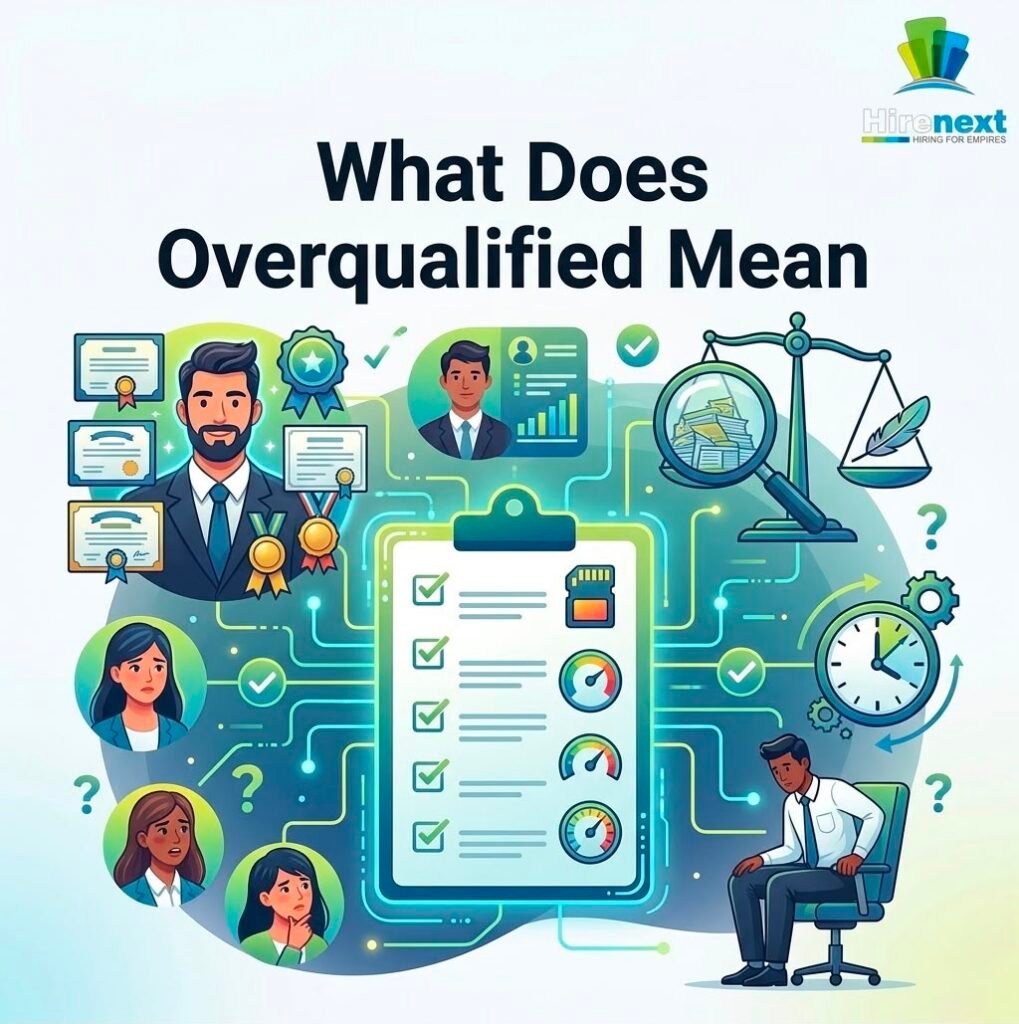
An individual is generally considered one of the overqualified candidates when their skills, experience, education, or achievements significantly exceed the requirements of a particular role.
Examples include:
- A senior manager applying for an entry-level position
- A professional with 15 years of experience applying for a junior role
- A candidate with advanced degrees applying for basic administrative positions
Being overqualified is not necessarily negative, but it can raise concerns for employers.
Why Employers Reject Overqualified Candidates
Many organizations believe hiring decisions should balance qualifications with long-term business needs.
Employers may worry that overqualified candidates:
- Will become bored quickly
- May leave when better opportunities arise
- Expect rapid promotions
- Demand higher salaries
- Struggle to adapt to lower-level responsibilities
These concerns often influence hiring decisions.
The Psychology Behind Hiring Decisions
Recruiters are not only evaluating qualifications. They are assessing risk.
When reviewing overqualified candidates, employers often ask:
- Will this person stay long-term?
- Are they genuinely interested?
- Can we meet their expectations?
- Will they fit into the existing team?
These questions significantly impact recruitment outcomes.
Concerns About Employee Retention
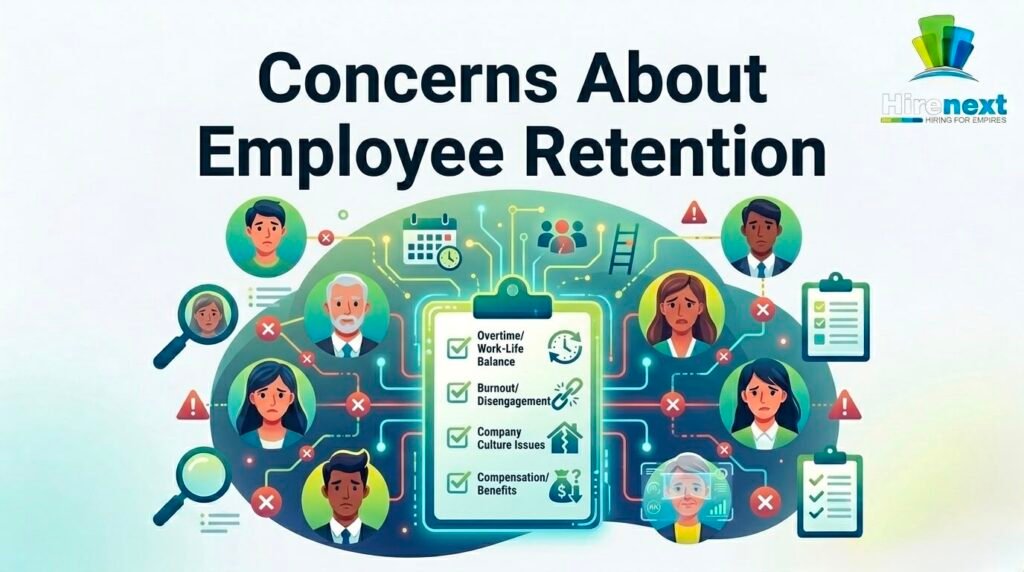
One of the biggest reasons employers hesitate to hire overqualified candidates is retention risk.
Organizations invest substantial resources in:
- Recruitment
- Onboarding
- Training
- Team integration
If a highly qualified employee leaves after a few months, the company must restart the hiring process.
This is one of the leading reasons overqualified candidates don’t get hired.
Salary Expectation Challenges
Salary concerns frequently arise when evaluating overqualified candidates.
Employers often assume experienced professionals expect compensation beyond the available budget.
Even if candidates are willing to accept lower salaries, recruiters may remain skeptical.
Fear of Job Dissatisfaction
Employers worry that overqualified candidates may lose interest in routine responsibilities.
Potential concerns include:
- Lack of challenge
- Reduced motivation
- Lower engagement
- Increased turnover risk
These concerns influence hiring decisions even when candidates possess excellent qualifications.
Concerns About Management Fit
Sometimes recruiters worry that highly experienced candidates may struggle reporting to managers with less experience.
Organizations may question whether overqualified candidates will:
- Accept supervision
- Adapt to company structures
- Follow established processes
These concerns can affect selection decisions.
The Candidate Screening Process Explained
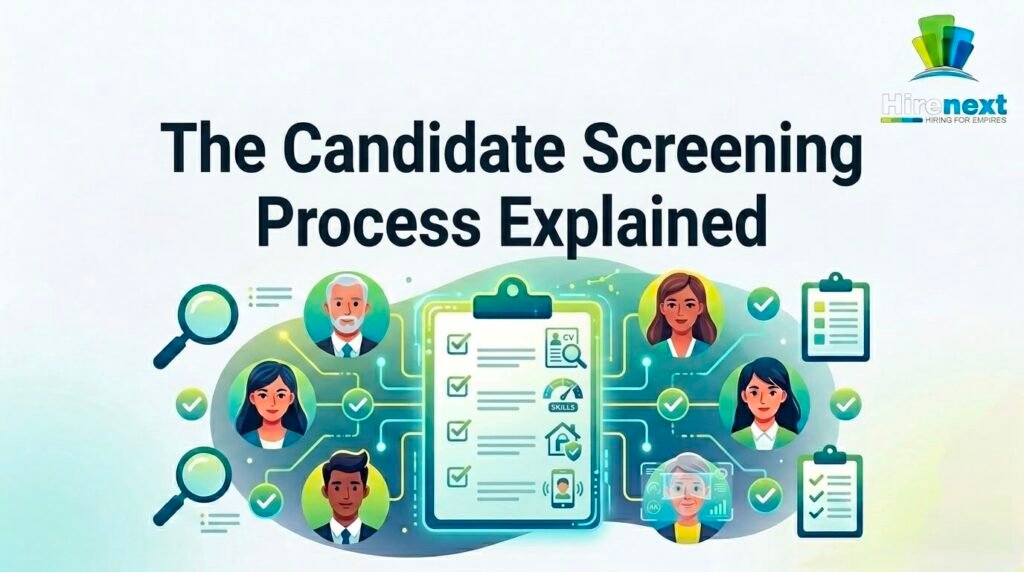
The candidate screening process plays a major role in identifying potential hiring risks.
Recruiters typically evaluate:
Resume Review
Assessing qualifications and experience.
Initial Screening Calls
Evaluating interest and motivation.
Skills Assessment
Measuring job-related capabilities.
Behavioral Interviews
Assessing attitude and cultural fit.
Final Evaluation
Determining long-term suitability.
Throughout the candidate screening process, recruiters carefully analyze whether a candidate’s profile aligns with the role.
How Recruiters Identify Overqualified Candidates
Recruiters often identify overqualified candidates through:
- Extensive experience
- Advanced education
- Leadership backgrounds
- Senior job titles
- High-level achievements
These indicators immediately raise questions about role suitability and long-term commitment.
Common Reasons Overqualified Candidates Don’t Get Hired
Several factors explain the reasons overqualified candidates don’t get hired.
Retention Concerns
Employers fear candidates may leave quickly.
Compensation Expectations
Organizations worry about future salary demands.
Lack of Role Alignment
Experience may exceed job requirements.
Promotion Expectations
Employers may fear dissatisfaction if growth opportunities are limited.
Cultural Fit Concerns
Candidates may appear mismatched with the team structure.
Communication Mistakes During Interviews
Some overqualified candidates unintentionally create concerns during interviews.
Common mistakes include:
- Emphasizing previous senior roles excessively
- Appearing uninterested in the position
- Focusing heavily on salary discussions
- Showing frustration about career changes
Strong communication can reduce these concerns significantly.
The Importance of Cultural Fit
Modern recruitment focuses heavily on cultural alignment.
Recruiters evaluate:
- Team compatibility
- Communication style
- Workplace attitude
- Adaptability
Even highly skilled overqualified candidates may face rejection if employers perceive a cultural mismatch.
How Overqualified Candidates Can Improve Their Chances

Fortunately, there are effective strategies for improving hiring outcomes.
Explain Your Motivation Clearly
Help employers understand why you want the position.
Address Retention Concerns
Demonstrate commitment and long-term interest.
Focus on Value
Explain how your experience benefits the organization.
Be Flexible
Show willingness to adapt and learn.
Resume Tips for Experienced Professionals
When applying for lower-level roles, consider:
- Highlighting relevant experience
- Simplifying older work history
- Tailoring resumes to the role
- Focusing on skills rather than seniority
This approach can improve success during the candidate screening process.
Interview Strategies for Overqualified Candidates
Strong interview performance is essential.
Key strategies include:
- Demonstrating enthusiasm
- Showing humility
- Explaining career goals
- Addressing concerns proactively
- Focusing on organizational value
These techniques help reduce employer hesitation.
Addressing Employer Concerns Directly
Candidates should not avoid the overqualification discussion.
Instead, explain:
- Why the role interests you
- Why compensation is acceptable
- Why long-term commitment is realistic
- How your experience can contribute positively
Direct communication builds trust.
Benefits of Hiring Overqualified Candidates
Despite concerns, overqualified candidates often provide significant value.
Benefits include:
- Faster onboarding
- Strong problem-solving skills
- Leadership capabilities
- Reduced training requirements
- Mentorship opportunities
Organizations that recognize these advantages often gain valuable employees.
Myths About Overqualified Candidates
Several misconceptions exist.
Myth 1: They Always Leave Quickly
Many stay long-term when opportunities align with their goals.
Myth 2: They Demand High Salaries
Some prioritize flexibility, stability, or work-life balance.
Myth 3: They Resist Learning
Experienced professionals often continue developing new skills.
Future Hiring Trends
Recruitment continues evolving.
Future trends include:
- Skills-based hiring
- Flexible career pathways
- Greater workforce diversity
- Data-driven recruitment
- Improved candidate screening process methods
These changes may reduce some of the challenges currently faced by overqualified candidates.
Conclusion
Being one of the overqualified candidates does not automatically prevent someone from getting hired. However, it can create concerns related to retention, compensation, job satisfaction, and organizational fit.
Understanding the main reasons overqualified candidates don’t get hired allows job seekers to address employer concerns proactively. By communicating motivation clearly, demonstrating flexibility, and positioning their experience as an asset rather than a risk, candidates can significantly improve their chances of success.
The key is not simply proving qualifications but showing employers why those qualifications make you the right fit for the role. When approached strategically, overqualified candidates can transform perceived disadvantages into valuable strengths and secure opportunities that align with their career goals.