
Why Great Candidates Sometimes Fail Interviews
Introduction
Many talented and qualified professionals fail interviews despite having excellent skills, strong resumes, and relevant experience. This often creates confusion for candidates who believe their qualifications alone should guarantee success.
However, interviews evaluate much more than technical knowledge. Employers assess communication skills, confidence, attitude, problem-solving ability, cultural fit, and professional behavior during the hiring process. Even highly skilled individuals can struggle if they fail to present themselves effectively.
Understanding why candidates fail interviews is important for anyone looking to improve their job search success. Many interview failures happen because of avoidable mistakes, lack of preparation, nervousness, or poor communication rather than lack of ability.
In this guide, we will explore why candidates fail interviews, discuss the common interview mistakes by skilled candidates, and share practical interview confidence tips that can help candidates perform better and improve their chances of getting hired.
Table of Contents
- Why Interviews Matter in Recruitment
- Why Great Candidates Sometimes Fail Interviews
- Lack of Interview Preparation
- Poor Communication Skills
- Nervousness and Low Confidence
- Overconfidence During Interviews
- Failure to Understand the Job Role
- Weak Body Language
- Inability to Explain Skills Clearly
- Lack of Company Research
- Poor Time Management
- Negative Attitude or Behavior
- Common Interview Mistakes by Skilled Candidates
- Importance of Emotional Intelligence
- Cultural Fit and Professionalism
- Interview Confidence Tips
- How to Improve Interview Performance
- Virtual Interview Challenges
- How Recruiters Evaluate Candidates
- Final Interview Success Strategies
- Conclusion
Why Interviews Matter in Recruitment

Interviews play a critical role in the recruitment process because they help employers evaluate candidates beyond what is written on a resume. A resume can provide information about qualifications, experience, and technical skills, but it cannot fully reveal a candidate’s personality, communication style, confidence, or professional attitude.
This is why interviews remain one of the most important stages of hiring.
During interviews, recruiters and employers assess several important qualities that directly impact workplace performance and long-term employee success.
1. Communication Skills
Strong communication is essential in almost every profession. Employers evaluate how clearly candidates express their ideas, answer questions, and interact professionally during conversations.
A candidate may have excellent technical knowledge, but if they struggle to communicate effectively, it may create difficulties in teamwork, client interactions, or workplace collaboration.
2. Confidence
Confidence reflects how comfortable and prepared a candidate is. Employers often prefer candidates who can present themselves calmly and professionally under pressure.
Confident candidates usually:
- Answer questions clearly
- Maintain good eye contact
- Express ideas effectively
- Handle difficult questions calmly
Confidence also indicates leadership potential and workplace readiness.
3. Professionalism
Professional behavior is another important factor evaluated during interviews.
Recruiters observe:
- Punctuality
- Respectful communication
- Attitude toward work
- Behavior under pressure
- Overall presentation
Professionalism creates a positive first impression and demonstrates workplace maturity.
4. Technical Knowledge
Technical knowledge remains an important part of interviews, especially for role-specific positions.
Employers assess:
- Subject understanding
- Industry knowledge
- Practical skills
- Problem-solving abilities
- Ability to apply knowledge in real situations
Candidates who can explain their technical expertise clearly often perform better in interviews.
5. Problem-Solving Ability
Modern workplaces value employees who can think critically and solve challenges independently.
Interviewers often ask situational or analytical questions to understand:
- Decision-making skills
- Logical thinking
- Creativity
- Adaptability
Strong problem-solving abilities help candidates stand out from other applicants.
6. Team Compatibility
Companies want employees who can work effectively with others.
Recruiters assess:
- Teamwork abilities
- Collaboration skills
- Workplace behavior
- Adaptability to company culture
Candidates who demonstrate positive interpersonal skills are often considered more suitable for long-term organizational success.
7. Workplace Attitude
Attitude significantly affects employee performance and workplace relationships.
Employers observe:
- Positivity
- Willingness to learn
- Responsibility
- Motivation
- Professional mindset
A positive attitude often increases hiring potential, even when candidates lack some technical experience.
Because interviews evaluate all these factors together, they remain one of the most effective tools for identifying suitable candidates.
Why Great Candidates Sometimes Fail Interviews
Many job seekers wonder why candidates fail interviews despite having strong qualifications and impressive resumes.
The reality is that technical expertise alone is not enough to guarantee interview success.
A candidate may possess:
- Strong educational qualifications
- Relevant work experience
- Excellent technical knowledge
- Industry certifications
- Practical expertise
Yet they may still fail interviews because of issues unrelated to technical ability.
1. Poor Communication
One of the biggest reasons why candidates fail interviews is poor communication.
Some candidates struggle to:
- Explain their skills clearly
- Answer questions confidently
- Organize their thoughts properly
- Maintain smooth conversations
Even highly skilled professionals may fail to create a strong impression if they cannot communicate effectively.
2. Nervousness
Interview anxiety affects many talented candidates.
Nervousness can lead to:
- Forgetting answers
- Speaking too quickly
- Lack of eye contact
- Poor body language
- Reduced confidence
When candidates become overly nervous, interviewers may perceive them as unprepared or lacking confidence.
3. Lack of Preparation
Many skilled candidates underestimate the importance of preparation.
Some assume their qualifications alone are enough and attend interviews without:
- Researching the company
- Understanding the role
- Practicing interview questions
- Preparing professional responses
This often results in weak answers and lower interview performance.
4. Weak Presentation Skills
Presentation plays a major role during interviews.
Candidates who:
- Speak unclearly
- Appear disorganized
- Use poor body language
- Struggle with confidence
may fail to create a positive impression, even if they possess strong technical abilities.
5. Negative Body Language
Body language communicates confidence, professionalism, and attitude.
Negative body language includes:
- Poor posture
- Lack of eye contact
- Fidgeting
- Crossed arms
- Low energy levels
Interviewers often notice these behaviors quickly, which can affect hiring decisions.
Interview success depends not only on professional knowledge but also on personal presentation, communication, and confidence.
Lack of Interview Preparation
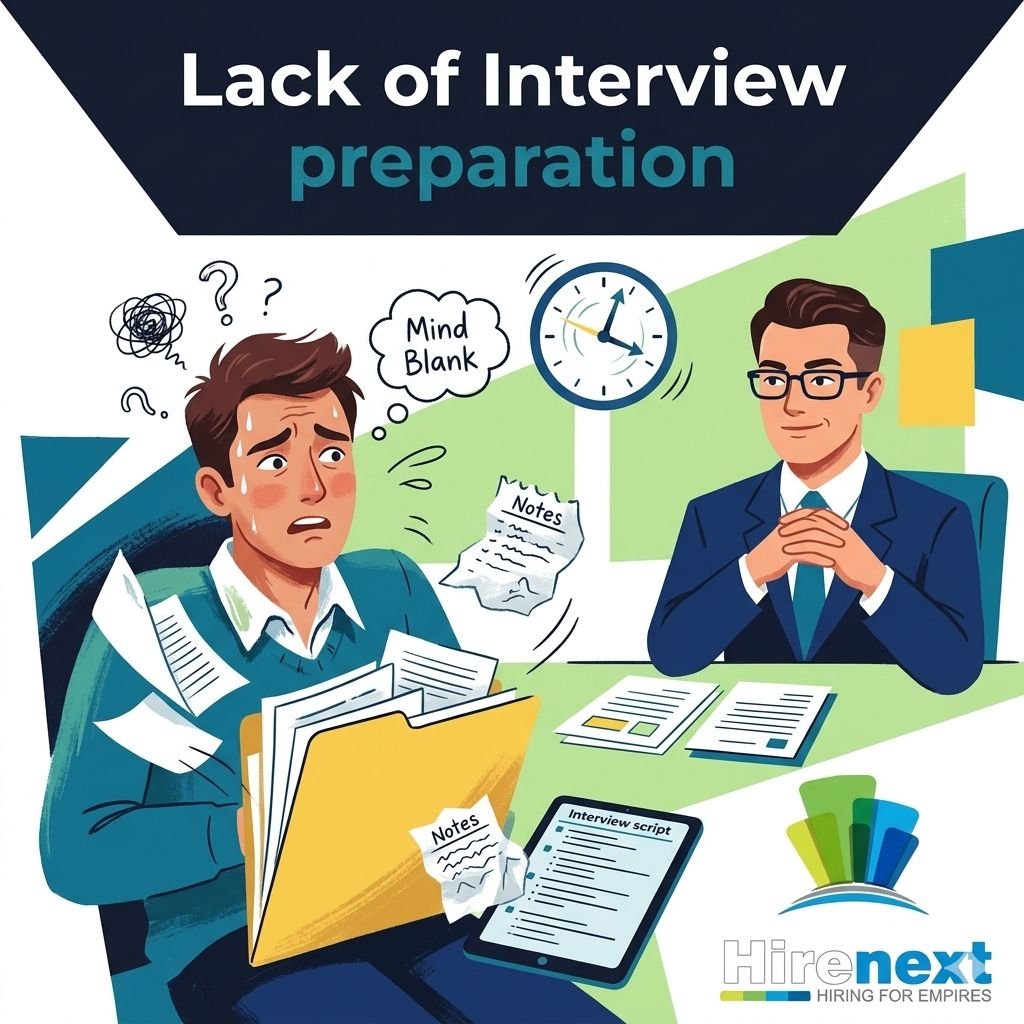
One of the most common reasons why candidates fail interviews is insufficient preparation.
Many applicants believe their work experience or educational background alone will help them succeed. However, interviews require preparation, strategy, and practice.
Candidates who attend interviews without preparation often struggle to answer questions effectively and fail to demonstrate genuine interest in the role.
Some candidates neglect researching important areas such as:
The Company
Employers expect candidates to know basic information about the organization, including:
- Company services
- Industry position
- Mission and values
- Workplace culture
Candidates who lack this knowledge may appear uninterested or careless.
Job Responsibilities
Understanding the role is essential for interview success.
Candidates should know:
- Key responsibilities
- Required skills
- Daily tasks
- Performance expectations
Without this understanding, answers may become vague or irrelevant.
Industry Expectations
Different industries prioritize different skills and behaviors.
Candidates who fail to understand industry expectations may struggle to answer role-specific questions effectively.
Interview Questions
Many candidates attend interviews without practicing common questions.
This can result in:
- Unclear answers
- Long pauses
- Nervousness
- Lack of confidence
Preparation helps candidates communicate more naturally and professionally.
How Preparation Helps
Good preparation can significantly improve interview performance and increase hiring success.
1. Confidence Improvement
Prepared candidates feel more comfortable during interviews because they know what to expect.
Preparation reduces anxiety and improves self-confidence.
2. Better Communication Clarity
Candidates who practice answers can explain their thoughts more clearly and professionally.
This improves overall communication quality.
3. Professionalism
Preparation demonstrates seriousness and commitment.
Employers appreciate candidates who:
- Arrive prepared
- Understand the role
- Ask relevant questions
- Communicate professionally
4. Stronger Problem-Solving Responses
Prepared candidates can answer situational and analytical questions more effectively by using structured examples and logical explanations.
Candidates who prepare properly usually perform better, create stronger impressions, and improve their chances of interview success significantly.
Poor Communication Skills
Strong communication is critical in almost every profession.
Even highly skilled individuals may struggle if they cannot:
- Explain ideas clearly
- Answer questions confidently
- Maintain conversation flow
- Communicate professionally
Recruiters often reject candidates who have excellent technical skills but poor communication abilities.
This is one of the most common reasons why candidates fail interviews.
Nervousness and Low Confidence
Interview anxiety affects many candidates.
Common signs include:
- Speaking too fast
- Forgetting answers
- Avoiding eye contact
- Fidgeting
- Struggling to explain thoughts
Nervousness can make even experienced professionals appear unprepared.
Interview Confidence Tips
To improve confidence:
- Practice mock interviews
- Prepare common answers
- Improve body language
- Focus on clear communication
- Stay calm and composed
These interview confidence tips help candidates perform more naturally.
Overconfidence During Interviews
While low confidence is harmful, overconfidence can also create problems.
Some candidates:
- Interrupt interviewers
- Speak excessively
- Ignore questions
- Appear arrogant
Employers value confidence balanced with professionalism and humility.
Failure to Understand the Job Role
Another major reason why candidates fail interviews is misunderstanding the role they are applying for.
Candidates sometimes:
- Apply randomly
- Ignore job descriptions
- Lack clarity about responsibilities
This results in irrelevant answers during interviews.
Understanding the role helps candidates:
- Tailor responses
- Highlight relevant skills
- Demonstrate genuine interest
Weak Body Language
Body language strongly influences interview performance.
Negative body language includes:
- Poor posture
- Lack of eye contact
- Crossed arms
- Nervous movements
- Weak handshake
Recruiters often associate body language with confidence and professionalism.
Positive body language improves first impressions significantly.
Inability to Explain Skills Clearly
Many skilled professionals know their work well but struggle to explain it effectively.
This is one of the key common interview mistakes by skilled candidates.
Candidates should be able to:
- Describe achievements
- Explain projects clearly
- Discuss problem-solving experiences
- Demonstrate workplace impact
Clear communication helps interviewers understand the candidate’s value.
Lack of Company Research
Candidates who fail to research the company often appear uninterested.
Recruiters expect candidates to understand:
- Company services
- Industry position
- Work culture
- Job expectations
Research demonstrates seriousness and professionalism.
Poor Time Management
Arriving late or being unprepared creates a negative first impression.
Poor time management during interviews may include:
- Long, unclear answers
- Inability to stay focused
- Rushed responses
Professional time management reflects discipline and responsibility.
Negative Attitude or Behavior
Employers look for candidates who can contribute positively to workplace culture.
Negative behaviors include:
- Complaining about previous employers
- Showing frustration
- Arguing with interviewers
- Displaying disrespect
Professional attitude is often as important as technical expertise.
Common Interview Mistakes by Skilled Candidates
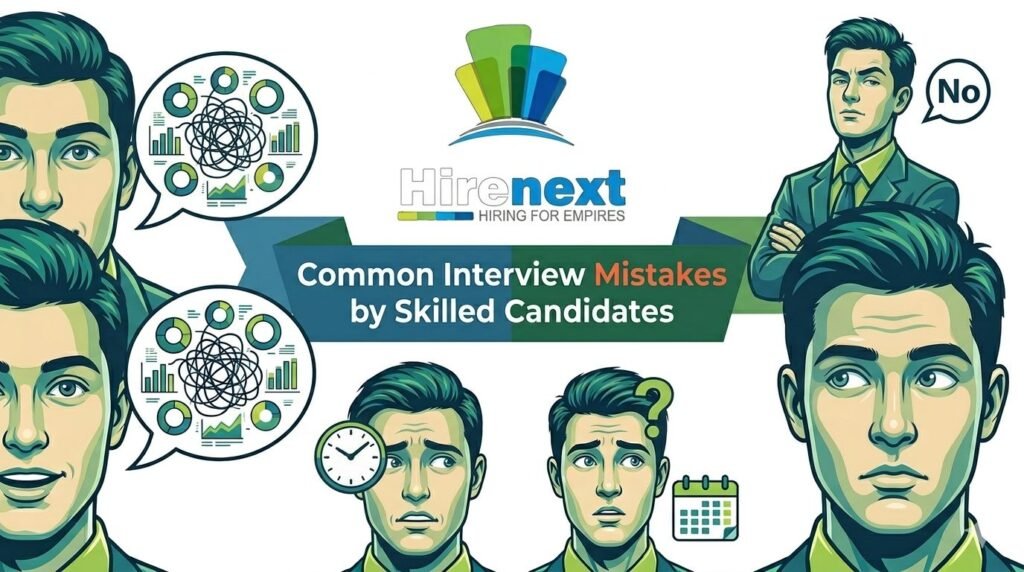
Many highly capable professionals make avoidable interview mistakes.
Common Mistakes Include:
1. Speaking Too Technically
Using overly complex language without clarity.
2. .Lack of Structure in Answers
Providing confusing or incomplete responses.
3. Not Listening Carefully
Answering without fully understanding questions.
4. Memorized Responses
Sounding robotic instead of natural.
5. Ignoring Soft Skills
Focusing only on technical abilities.
These are some of the most frequent common interview mistakes by skilled candidates.
Importance of Emotional Intelligence
Employers increasingly value emotional intelligence during hiring.
This includes:
- Self-awareness
- Communication
- Team collaboration
- Stress management
- Adaptability
Candidates with strong emotional intelligence often perform better in interviews and workplaces.
Cultural Fit and Professionalism
Companies want employees who align with their work environment and values.
Candidates who fail to demonstrate:
- Teamwork
- Professionalism
- Adaptability
- Respectful behavior
may struggle even if technically qualified.
Interview Confidence Tips
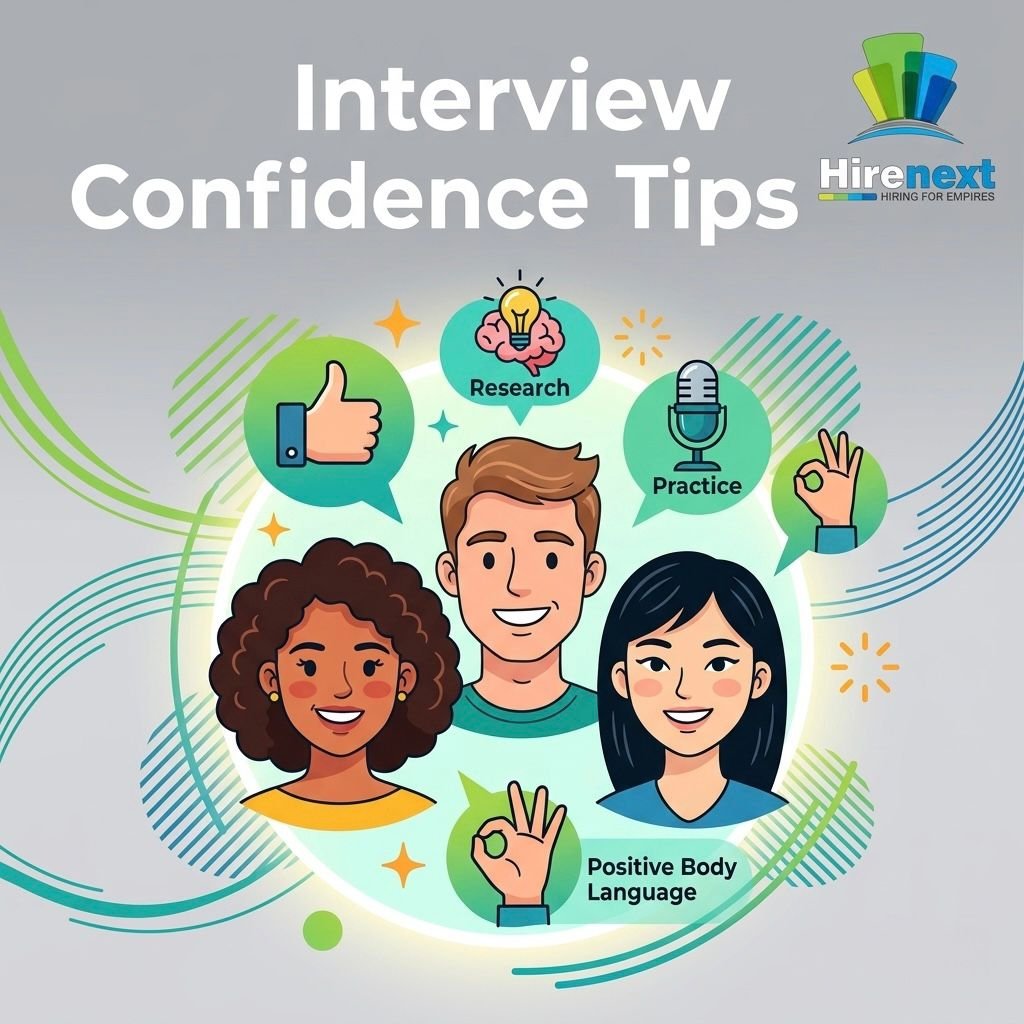
Developing interview confidence takes practice and preparation.
Effective Interview Confidence Tips
1. Practice Mock Interviews
Practice improves fluency and confidence.
2. Improve Communication Skills
Focus on clear and concise speaking.
3. Maintain Positive Body Language
Good posture and eye contact create strong impressions.
4. Prepare Real Examples
Use workplace examples to explain skills and achievements.
5. Stay Calm
Take pauses and think before answering.
These interview confidence tips can improve interview performance significantly.
How to Improve Interview Performance
Candidates can improve interview success by:
- Preparing thoroughly
- Practicing communication
- Understanding job requirements
- Researching companies
- Developing soft skills
Consistent practice helps reduce interview anxiety and improve confidence.
Virtual Interview Challenges
Online interviews create additional difficulties.
Common virtual interview problems include:
- Technical issues
- Poor internet connection
- Background distractions
- Lack of eye contact
Candidates should prepare carefully for remote interviews to maintain professionalism.
How Recruiters Evaluate Candidates
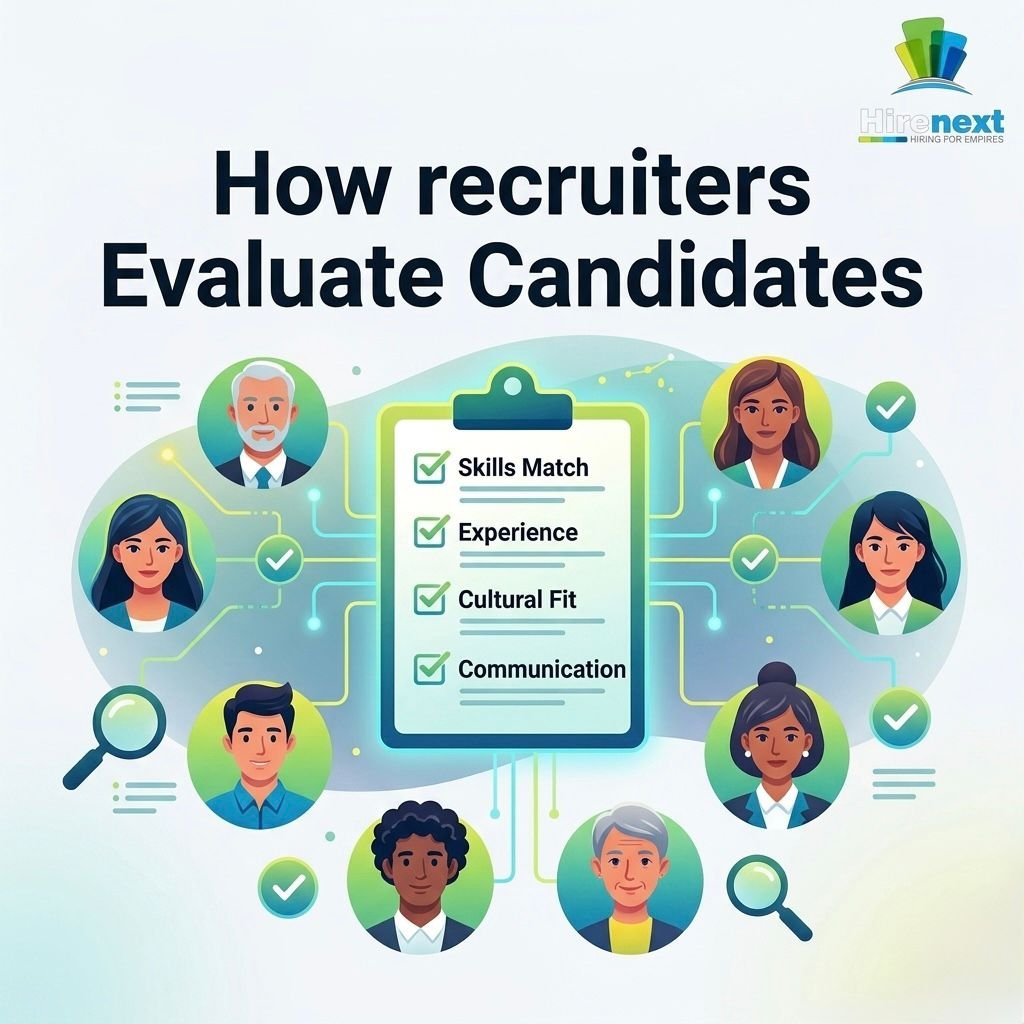
Recruiters evaluate several factors during interviews.
Key Evaluation Areas
- Technical knowledge
- Communication skills
- Confidence
- Cultural fit
- Problem-solving ability
- Professional attitude
Understanding these expectations helps candidates prepare better.
Final Interview Success Strategies
Successful interviews require balance between preparation, confidence, and professionalism.
Key Success Strategies
- Practice regularly
- Stay positive
- Improve communication
- Research thoroughly
- Focus on clarity
- Demonstrate enthusiasm
These habits increase interview success rates significantly.
Conclusion
Understanding why candidates fail interviews helps job seekers identify weaknesses and improve their performance. Many skilled professionals fail interviews not because they lack ability, but because they struggle with communication, preparation, confidence, or presentation.
By avoiding the common interview mistakes by skilled candidates and applying effective interview confidence tips, candidates can improve their interview performance and increase their chances of success.
Interviews are not only about testing technical skills—they are opportunities to demonstrate professionalism, communication, confidence, and cultural fit. Candidates who prepare strategically and present themselves effectively are far more likely to succeed in today’s competitive job market.