
Why You Keep Getting Rejected After Final Interview
Table of Contents
- Introduction
- Why Final Interviews Matter So Much
- Why You Keep Getting Rejected After Final Interview
- Common Reasons for Rejection After Final Round Interview
- Hidden Interview Mistakes Candidates Ignore
- Weak Communication in Final Round
- Poor Salary Discussion Handling
- Lack of Culture Fit
- Confidence vs Overconfidence
- Inconsistent Answers Between Rounds
- Weak Questions Asked to Employer
- Better Candidate Chosen Over You
- Background Check or Notice Period Issues
- How to Stop Getting Rejected After Final Interview
- Final Interview Preparation Strategy
- Mistakes Freshers and Experienced Candidates Make
- Follow-Up After Final Interview
- Final Checklist Before Final Round
- Conclusion
Introduction
You cleared the screening round. You passed technical interviews. You reached the last stage. Everything looked positive. Then suddenly—no offer. Instead, you were rejected after final interview.
This is one of the most frustrating parts of job hunting. Reaching the last stage creates hope, so being rejected after final interview feels personal and confusing.
But final-round rejection usually happens for clear reasons. It does not always mean you were bad. Often it means another candidate matched the company’s priorities better, or small mistakes cost you the offer.
This guide explains why candidates get rejected after final interview, common warning signs, and how to improve your chances next time.
Why Final Interviews Matter So Much
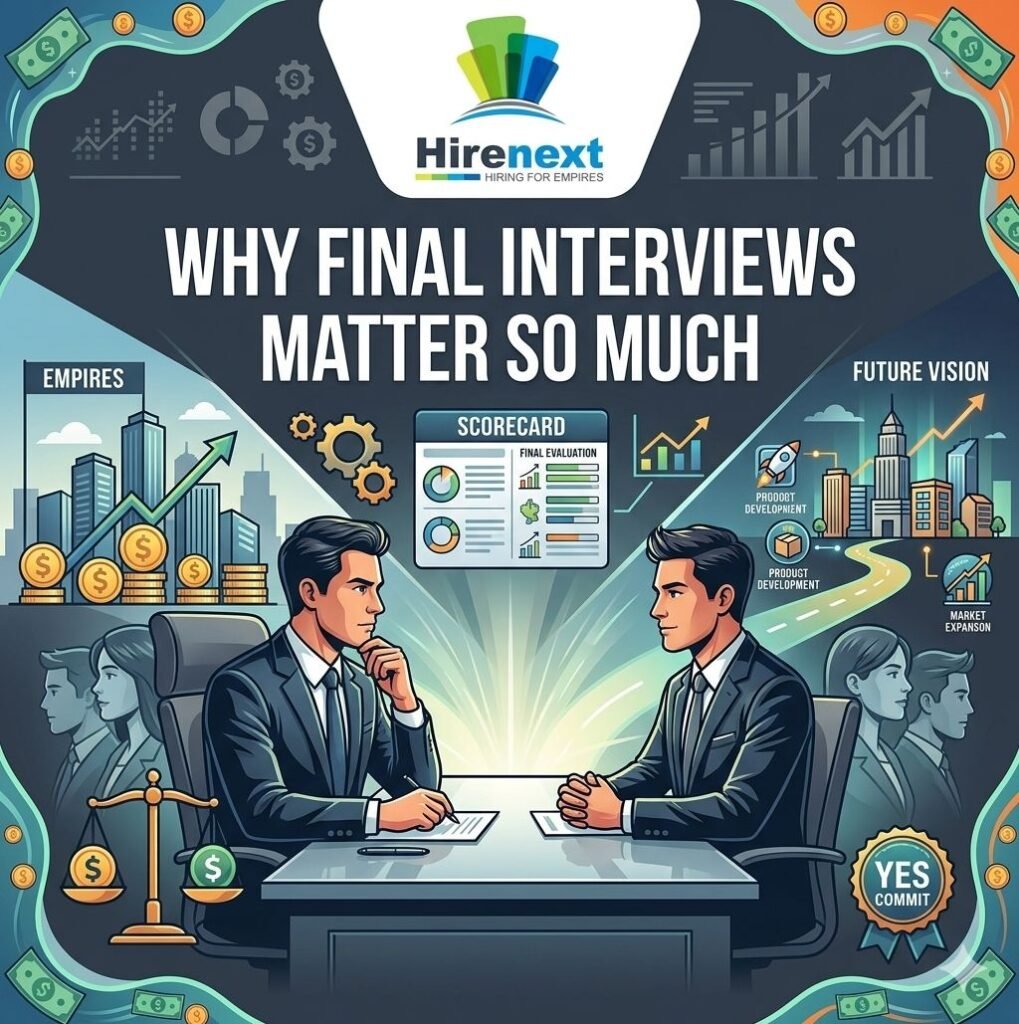
The final round is different from earlier rounds.
Earlier rounds test:
- Basic eligibility
- Technical knowledge
- Experience
- Communication basics
The final round often tests:
- Leadership potential
- Decision making
- Salary alignment
- Team fit
- Long-term value
- Risk level
That is why many strong candidates still get rejected after final interview.
Why You Keep Getting Rejected After Final Interview
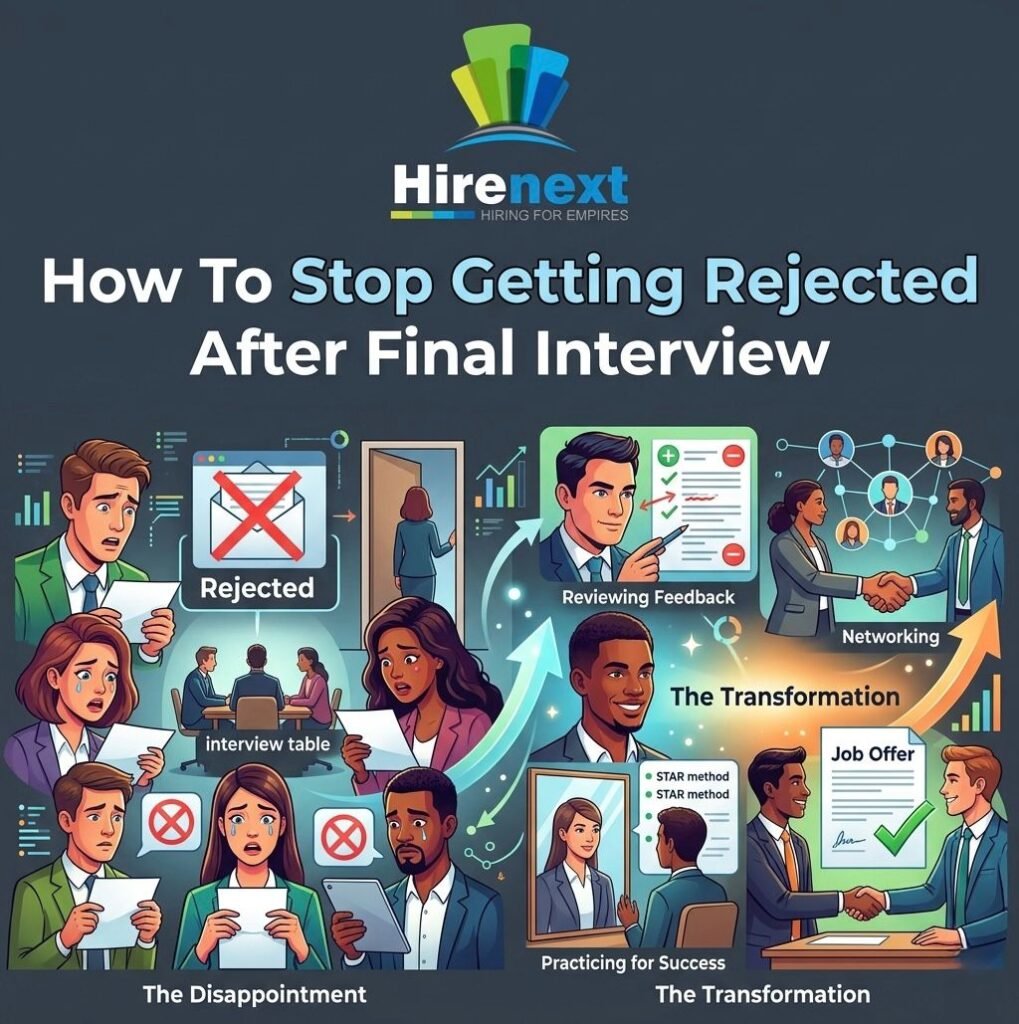
If this happens repeatedly, there is usually a pattern.
Common causes include:
- Strong skills but weak executive presence
- Poor salary conversation
- Low confidence
- Overconfidence
- Weak storytelling
- Another candidate better aligned
- Culture mismatch
- Final interviewer concerns
Understanding patterns helps stop being rejected after final interview repeatedly.
Common Reasons for Rejection After Final Round Interview
1. Another Candidate Was a Better Overall Fit
Sometimes you performed well, but another person had:
- More experience
- Lower salary expectation
- Better industry background
- Stronger communication
This is one of the top reasons for rejection after final round interview.
2. Weak Final Impression
Final rounds often involve senior managers. They judge maturity and professionalism quickly.
Late joining, poor posture, weak eye contact, unclear answers, or low enthusiasm can lead to being rejected after final interview.
3. Poor Understanding of Company
If you know nothing about the company’s products, clients, or goals, leaders may doubt your seriousness.
4. Lack of Ownership Mindset
Senior interviewers ask:
- How do you solve problems?
- How do you handle pressure?
- How do you take initiative?
If answers feel passive, you may be rejected after final interview.
Hidden Interview Mistakes Candidates Ignore
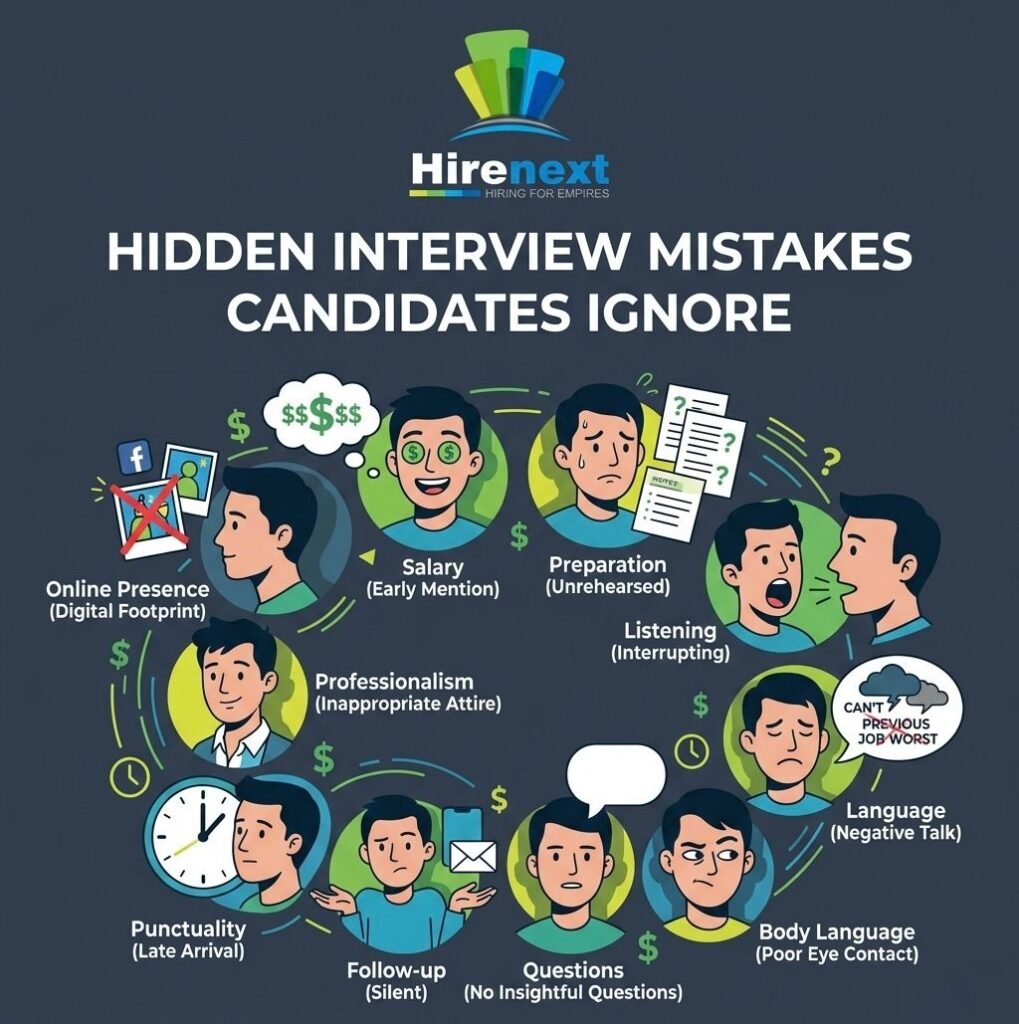
Many candidates focus only on technical skills and miss subtle interview mistakes.
Common Hidden Mistakes:
- Talking too much
- Interrupting interviewer
- Giving memorized answers
- Sounding desperate
- Speaking negatively about past employer
- No examples to support claims
- Weak closing statement
These small interview mistakes often decide final rounds.
Weak Communication in Final Round
Final interviewers value clarity.
Bad example:
“I’m hardworking and passionate and can do anything.”
Better example:
“In my last internship, I improved lead response time by 25% by organizing follow-ups.”
Weak communication often causes candidates to be rejected after final interview despite having skill.
Poor Salary Discussion Handling
Salary talks often happen near the end.
Mistakes include:
- Asking unrealistically high amount
- Accepting instantly without discussion
- Sounding money-only focused
- Not knowing market range
This becomes one of the biggest reasons for rejection after final round interview.
Lack of Culture Fit
Sometimes you are capable—but not the right fit.
Examples:
- Startup wants fast mover, candidate too rigid
- Corporate wants structured thinker, candidate too casual
- Client-facing role needs warmth, candidate seems detached
Many people are rejected after final interview due to fit, not skill.
Confidence vs Overconfidence
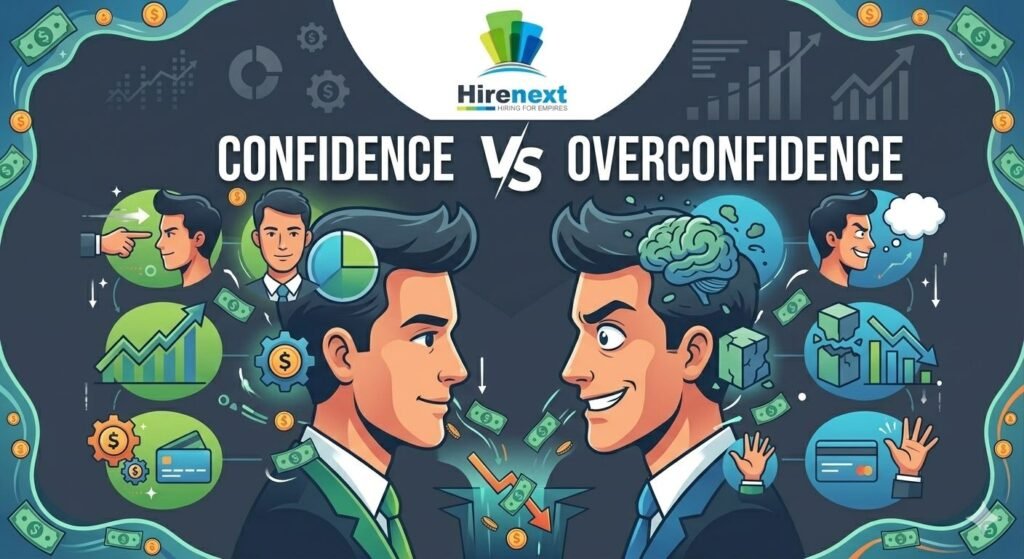
Confidence helps.
Overconfidence hurts.
Examples:
- “I can handle anything.”
- “This role is easy for me.”
- “I know more than most teams.”
This creates risk in employer’s mind and may lead to being rejected after final interview.
Inconsistent Answers Between Rounds
If earlier you said one thing and final round another, trust drops.
Examples:
- Different salary expectation
- Different notice period
- Different reason for leaving
- Different experience claims
Trust issues are serious reasons for rejection after final round interview.
Weak Questions Asked to Employer
At the end, many interviewers ask: “Any questions for us?”
Bad answers:
- “No.”
- “How many leaves?” only
- “When salary increase?” only
Better questions:
- What defines success in first 90 days?
- What are biggest challenges in this role?
- How is the team structured?
Weak curiosity can cause being rejected after final interview.
Better Candidate Chosen Over You
Sometimes there is nothing wrong with you.
The company may choose someone with:
- Internal referral
- Exact domain experience
- Immediate joining
- Lower compensation ask
Not every time you are rejected after final interview because of mistakes.
Background Check or Notice Period Issues
Late-stage rejection can happen because of:
- Inaccurate resume claims
- Long notice period
- Unclear documentation
- Location unwillingness
These practical issues often lead to being rejected after final interview.
How to Stop Getting Rejected After Final Interview
1. Review Past Interviews
Write down:
- Questions asked
- Where you hesitated
- Feedback received
- Salary discussion outcome
2. Improve Executive Presence
Work on:
- Calm voice
- Eye contact
- Clear posture
- Concise speaking
3. Learn STAR Method
Answer with:
- Situation
- Task
- Action
- Result
4. Research Every Company Deeply
Know products, mission, market.
These steps reduce being rejected after final interview repeatedly.
Final Interview Preparation Strategy
Before Interview
- Study JD carefully
- Research interviewer if known
- Prepare success stories
- Prepare salary range
- Prepare smart questions
During Interview
- Listen fully
- Answer clearly
- Show enthusiasm
- Be honest
- Connect experience to role
After Interview
- Send thank-you mail
- Stay professional
Mistakes Freshers and Experienced Candidates Make
Freshers
- No examples
- Nervous energy
- Too generic answers
Experienced Candidates
- Ego tone
- Poor adaptability signals
- Speaking badly of past companies
Both can be rejected after final interview for avoidable reasons.
Follow-Up After Final Interview
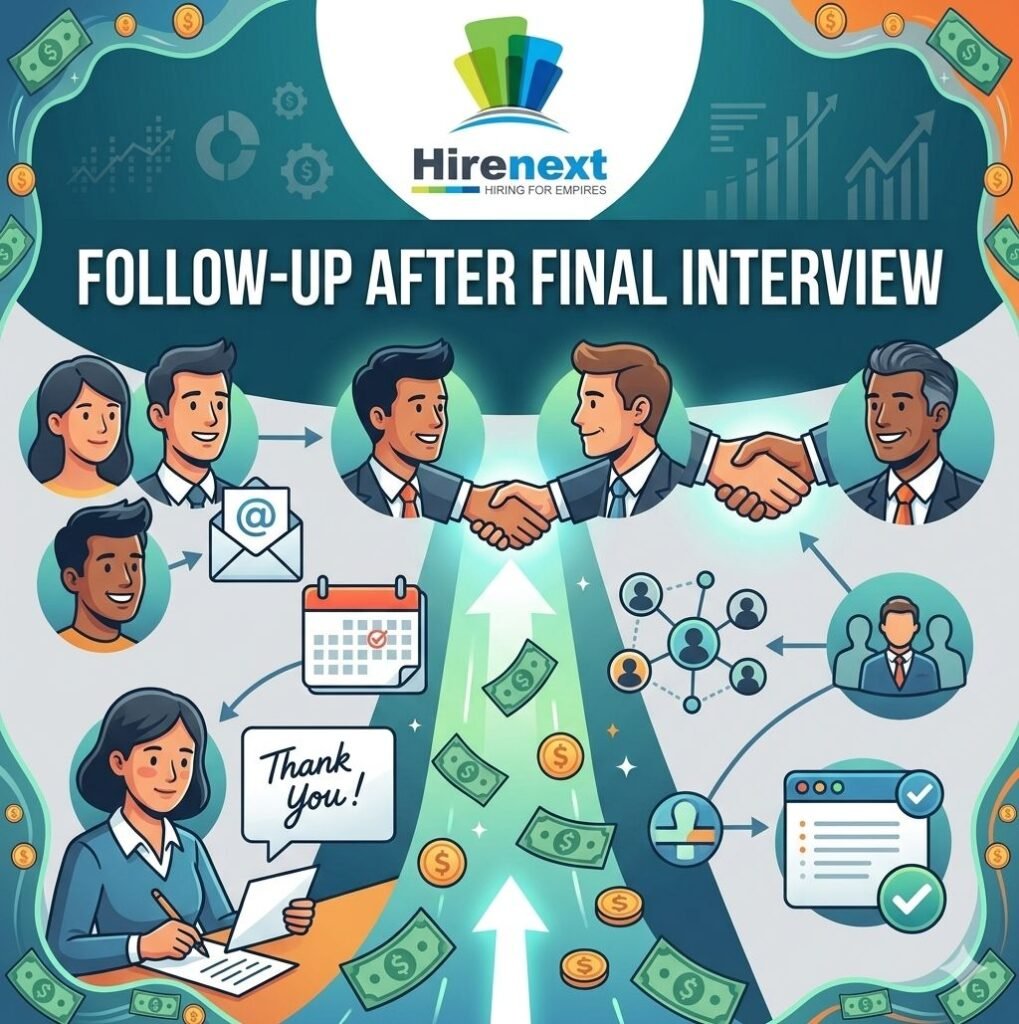
Wait 5–7 business days.
Send short email:
“Thank you for the opportunity. I enjoyed learning about the role and team. Kindly let me know if there are any updates regarding next steps.”
Professional follow-up helps after being or fearing rejected after final interview.
Final Checklist Before Final Round
Ask yourself:
- Can I explain achievements with numbers?
- Do I know company basics?
- Can I explain why I want this role?
- Is my salary range realistic?
- Do I have thoughtful questions ready?
- Am I calm and confident?
Mindset Shift
Being rejected after final interview does not mean failure.
Often it means:
- Close competition
- Minor mismatch
- Timing issue
- Internal candidate chosen
Many successful people were repeatedly rejected after final interview before landing better roles.
Frequently Asked Questions
Why do I keep getting rejected after final interview?
Usually because of communication gaps, fit issues, salary mismatch, or stronger competition.
Is final round rejection common?
Yes, because only top candidates remain.
Can I ask for feedback?
Yes, politely. Some companies may respond.
How do I improve final round success?
Practice leadership answers, company research, concise storytelling, and executive presence.
Conclusion
Getting rejected after final interview is painful because you were close. But it is also a sign that you are competitive enough to reach the final stage.
Now refine the last-mile factors:
- Reduce interview mistakes
- Improve communication
- Handle salary talks better
- Show stronger fit
- Prepare smarter examples
Many candidates face reasons for rejection after final round interview, but those who learn from each attempt usually convert the next opportunity.
You are not far away—you may just be one stronger final round away from the offer.