
How to Prepare for Your First Interview
Table of Contents–
- Introduction
- Understanding the Purpose of an Interview
- Why Interview Preparation Is Important
- Researching the Company Properly
- Understanding the Job Description
- Common Interview Questions and How to Answer Them
- Structuring Your Answers Using the STAR Method
- Preparing Your Introduction (Tell Me About Yourself)
- How to Showcase Your Strengths Without Sounding Overconfident
- Handling Weakness and Salary Questions
- Body Language, Grooming & Professional Appearance
- Documents You Must Carry
- Preparing Questions to Ask HR
- Online Interview Preparation Tips
- Mistakes to Avoid in Your First Interview
- Last-Minute Checklist for First Interview Preparation
- Conclusion
Introduction

Your first HR interview can feel exciting, nervous, and overwhelming at the same time. Whether you are a fresher stepping into the corporate world or someone transitioning into a new field, proper first interview preparation can completely change the outcome of your interview experience.
Many candidates assume HR interviews are easy. However, HR rounds are designed to assess your personality, communication skills, confidence, cultural fit, and long-term potential in the organization. Without structured first interview preparation, even talented candidates may struggle to leave a strong impression.
This detailed guide will walk you step-by-step through practical strategies for interview preparation, covering everything from research and communication to body language and common mistakes. If you follow this guide sincerely, you will walk into your interview room with clarity and confidence.
Understanding the Purpose of an Interview
Before starting your first interview preparation, it’s important to understand what HR actually evaluates.
An interview focuses on:
- Communication skills
- Confidence level
- Cultural fit
- Career goals
- Salary expectations
- Stability and commitment
- Personality traits
Unlike technical rounds, HR is not testing your technical depth. Instead, they are checking whether you are the right person for the organization.
When you understand this purpose, your first interview preparation becomes more focused and effective.
Why First Interview Preparation Is Important
Many candidates believe they can “just go and answer naturally.” But professional first interview preparation helps you:
- Reduce nervousness
- Improve clarity in answers
- Avoid awkward pauses
- Structure your responses properly
- Show professionalism
- Stand out among other candidates
Without structured first interview preparation, you may forget important points, speak randomly, or fail to present your strengths properly.
Remember: Confidence comes from preparation.
Researching the Company Properly
One of the most important steps in first interview preparation is researching the company.
What to Research:
- Company website
- About Us page
- Mission and vision
- Services or products
- Company culture
- Recent news
- Social media presence
Why This Matters:
When HR asks, “What do you know about our company?” your answer reflects your seriousness. Good interview preparation ensures you never say, “I don’t know much.”
Pro Tip:
Write down 3 key points about the company and connect them with your career goals during your first interview preparation.
Understanding the Job Description
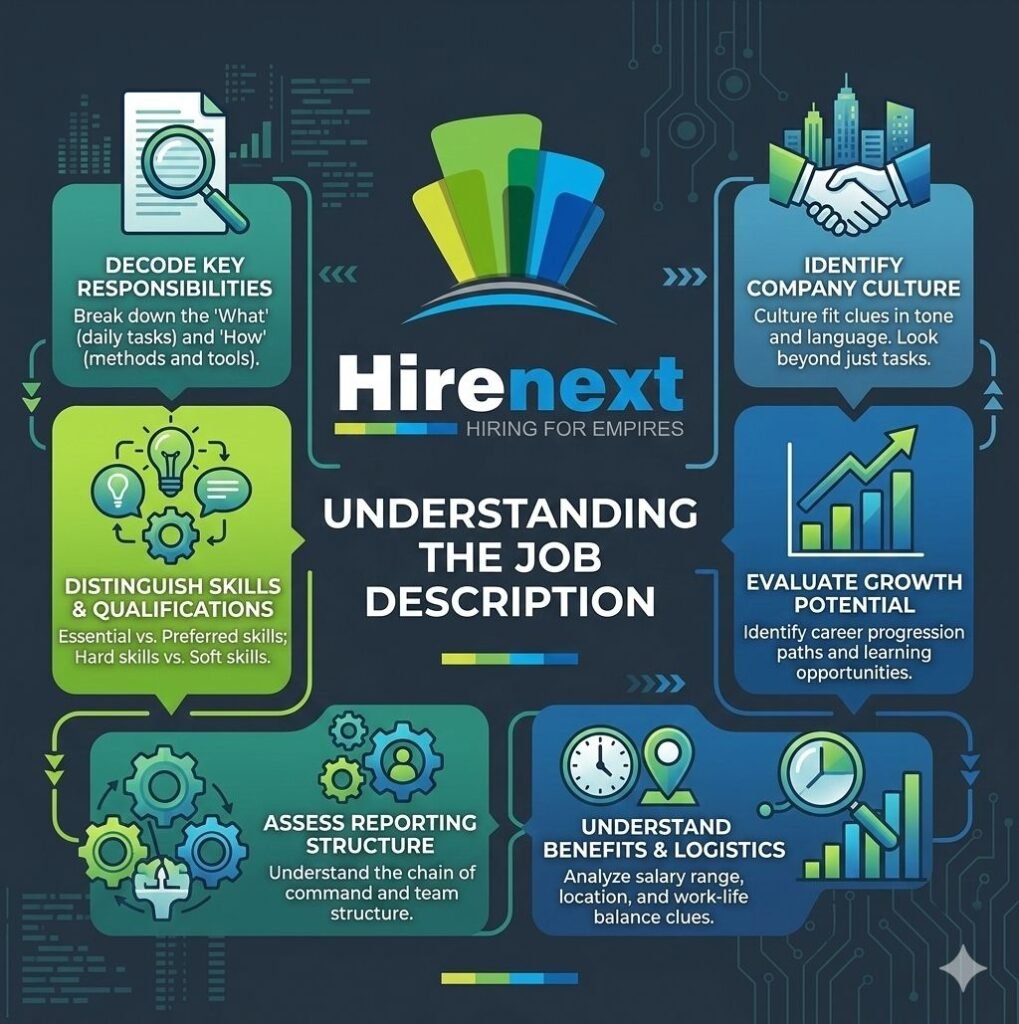
Another crucial part of first interview preparation is understanding the job role clearly.
Read the job description carefully and identify:
- Required skills
- Key responsibilities
- Preferred qualifications
- Experience expectations
Now prepare examples from your life or academics that match these requirements. Effective first interview preparationmeans aligning your answers with what the company actually needs.
Common Interview Questions and How to Answer Them
Strong first interview preparation includes practicing common HR questions.
1. Tell Me About Yourself
Structure your answer in this format:
- Educational background
- Relevant skills
- Internship or experience
- Career goals
Keep it concise (1–2 minutes). This is the most important part of first interview preparation.
2. Why Do You Want to Work Here?
Connect:
- Company reputation
- Growth opportunities
- Learning environment
- Alignment with your career goals
Good first interview ensures you never give generic answers like “I just need a job.”
3. What Are Your Strengths?
Choose strengths relevant to the job.
Example:
- Communication skills
- Leadership
- Adaptability
- Time management
Your first interview preparation should include real examples proving your strengths.
4. What Are Your Weaknesses?
Never say:
- “I have no weaknesses.”
Instead:
- Mention a real but manageable weakness.
- Explain how you are improving it.
Proper first interview preparation helps you handle this tricky question smoothly.
5. Where Do You See Yourself in 5 Years?
Show ambition but also loyalty.
Good first interview preparation ensures your goals align with company growth.
Structuring Your Answers Using the STAR Method
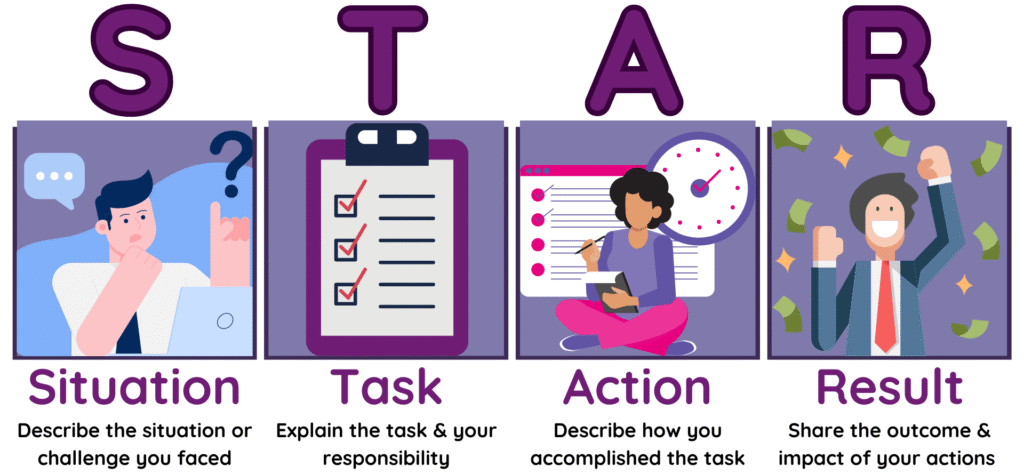
One of the most powerful techniques in first interview preparation is the STAR method:
- Situation
- Task
- Action
- Result
Whenever HR asks behavioral questions, use this structure.
Example:
“Tell me about a time you handled pressure.”
Structured first interview preparation makes your answers impactful and professional.
Preparing Your Introduction (Tell Me About Yourself)
This question sets the tone. Your first interview preparation must focus heavily on this.
Ideal Structure:
- Your name and qualification
- Relevant skills
- Internship/project
- Career objective
Practice it at least 10 times during your first interview preparation.
How to Showcase Your Strengths Without Sounding Overconfident
Balance is key.
Instead of:
“I am the best candidate.”
Say:
“I believe my skills in communication and organization can contribute effectively.”
Professional first interview preparation ensures confidence without arrogance.
Handling Weakness and Salary Questions
Salary Expectations
Research market standards. During your interview, decide:
- A realistic range
- Flexibility statement
Example:
“I am open to discussing salary as per company standards.”
Weakness Question
Your first interview preparation should include an improvement story.
Body Language, Grooming & Professional Appearance
Non-verbal communication plays a big role in first interview.
Body Language Tips:
- Maintain eye contact
- Sit straight
- Avoid fidgeting
- Smile naturally
Grooming Tips:
- Formal attire
- Clean shoes
- Neat hair
- Minimal accessories
Even the best first interview preparation can fail if body language is poor.
Documents You Must Carry
During your first interview preparation, arrange:
- Multiple copies of resume
- Passport-size photos
- Academic certificates
- ID proof
- Internship certificates
Being organized reflects professionalism.
Preparing Questions to Ask HR
At the end, HR may ask:
“Do you have any questions?”
Never say “No.”
Your interview preparation should include 2–3 smart questions like:
- What does a typical day in this role look like?
- What growth opportunities are available?
- How is performance evaluated?
This shows genuine interest.
Online HR Interview Preparation Tips
If it’s virtual, your first interview should include:
- Stable internet connection
- Quiet background
- Proper lighting
- Formal attire (even for online)
- Camera at eye level
Test everything before the interview.
Mistakes to Avoid in Your First Interview
Effective interview preparation also means knowing what NOT to do.
Common mistakes:
- Arriving late
- Speaking negatively about previous employers
- Interrupting HR
- Giving very long answers
- Checking phone during interview
Avoiding these mistakes is part of smart interview preparation.
Last-Minute Checklist for First Interview Preparation
Before leaving for the interview, check:
- Resume copies ready
- Outfit ironed
- Company research revised
- Introduction practiced
- Interview location confirmed
- Confidence level high
This final stage of first interview preparation ensures you walk in calm and ready.
Bonus: Mental Preparation for Confidence
Confidence is not natural — it is built through first interview preparation.
Techniques:
- Practice mock interviews
- Record yourself speaking
- Use positive affirmations
- Visualize success
- Get proper sleep before interview
Mental clarity improves performance significantly.
Conclusion
Your first HR interview is not just a conversation — it is an opportunity to present your personality, potential, and professionalism. Structured and consistent nterview preparation is the difference between average and outstanding performance.
When you research the company, understand the role, practice common questions, improve body language, and prepare mentally, you naturally build confidence. Remember, first interview preparation is not about memorizing answers — it is about understanding yourself and presenting your best version.
If you invest time in serious first interview preparation, you will not just clear one interview — you will build a skill that helps you throughout your career.
Take preparation seriously, believe in yourself, and step into your interview room with confidence.
Your career journey starts with strong interview preparation.